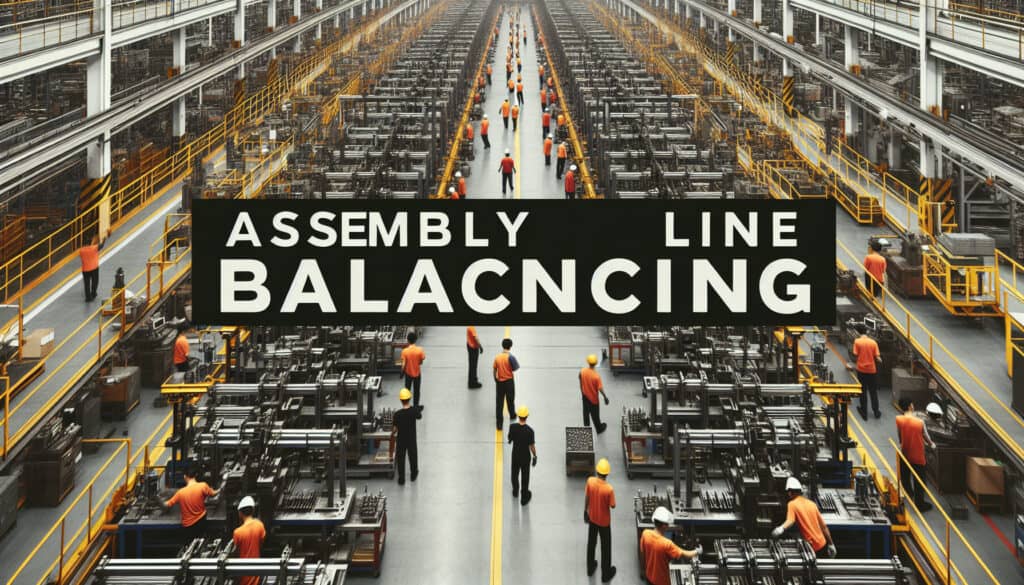
Assembly line balancing finds extensive application in industries such as automotive manufacturing, electronics, appliance assembly, and consumer goods production, where the combination of efficiency and quality is paramount. In these sectors, the method is implemented during the design and configuration phases of production systems, particularly when establishing new assembly lines or reconfiguring existing ones to adapt to demand fluctuations or new product introductions. Different stakeholders are involved in this process, including industrial engineers, production managers, and operations researchers, who collaborate to analyze work tasks, determine cycle times, and allocate resources effectively. Tools such as Work Element Analysis, which breaks down tasks into smaller components, and software applications designed for optimization algorithms, support the balancing process. By applying assembly line balancing techniques, firms can achieve a more equitable distribution of work among stations, reducing bottlenecks and minimizing waste through more effective use of labor and machinery. The methodology not only enhances production rates but can also lead to improved quality control measures by allowing for more consistent workflow and better monitoring at various stages of the assembly process. Additionally, it plays a significant role in
精益制造 initiatives aimed at reducing lead times and increasing responsiveness to market changes. Implementing these strategies requires continuous feedback and adjustment, making it imperative for teams to establish clear communication channels among all participants involved, ensuring that performance metrics and production goals align with the overall objectives of the organization.