Product Design, Manufacturing & Innovation Resources

असेंबली लाइन संतुलन

असेंबली लाइन संतुलन

असेंबली लाइन संतुलन

उद्देश्य:

कार्य केंद्रों को कार्यों को इस तरह से सौंपने की प्रक्रिया जिससे निष्क्रिय समय की कुल मात्रा कम से कम हो।

इसका उपयोग कैसे किया जाता है:

फायदे

नुकसान

श्रेणियाँ:

इसके लिए सबसे अच्छा:

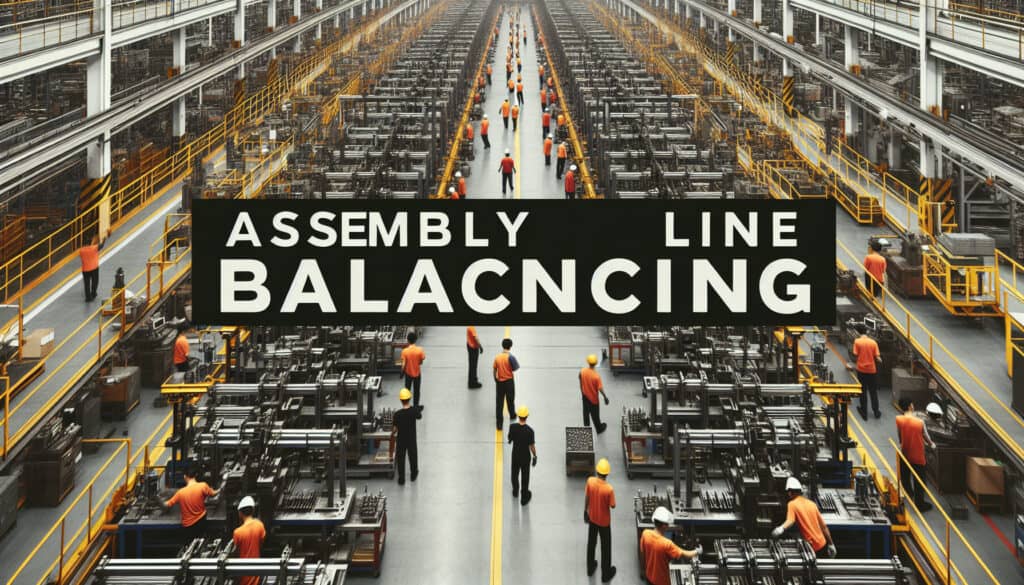
Assembly line balancing finds extensive application in industries such as automotive manufacturing, electronics, appliance assembly, and consumer goods production, where the combination of efficiency and quality is paramount. In these sectors, the method is implemented during the design and configuration phases of production systems, particularly when establishing new assembly lines or reconfiguring existing ones to adapt to demand fluctuations or new product introductions. Different stakeholders are involved in this process, including industrial engineers, production managers, and operations researchers, who collaborate to analyze work tasks, determine cycle times, and allocate resources effectively. Tools such as Work Element Analysis, which breaks down tasks into smaller components, and software applications designed for optimization algorithms, support the balancing process. By applying assembly line balancing techniques, firms can achieve a more equitable distribution of work among stations, reducing bottlenecks and minimizing waste through more effective use of labor and machinery. The methodology not only enhances production rates but can also lead to improved quality control measures by allowing for more consistent workflow and better monitoring at various stages of the assembly process. Additionally, it plays a significant role in अनुत्पादक निर्माण initiatives aimed at reducing lead times and increasing responsiveness to market changes. Implementing these strategies requires continuous feedback and adjustment, making it imperative for teams to establish clear communication channels among all participants involved, ensuring that performance metrics and production goals align with the overall objectives of the organization.

इस पद्धति के प्रमुख चरण

  1. कार्यों और उनकी निर्भरताओं के आधार पर वर्कस्टेशन को परिभाषित करें।
  2. कार्यभार निर्धारित करने के लिए प्रत्येक कार्य के लिए कार्य समय की गणना करें।
  3. वांछित उत्पादन दर के आधार पर चक्र समय की पहचान करें।
  4. वर्कस्टेशनों पर कार्यभार वितरण का विश्लेषण करें।
  5. लार्जेस्ट कैंडिडेट रूल या रैंक पोजीशनल वेट मेथड जैसे बैलेंसिंग एल्गोरिदम को लागू करें।
  6. गणना किए गए दक्षता मापदंडों का उपयोग करके बैलेंस की दक्षता का मूल्यांकन करें।
  7. लेआउट को अनुकूलित करने के लिए कार्यों को समायोजित करें और उनका पुनर्मूल्यांकन करें।
  8. सिमुलेशन या पायलट रन के आधार पर असेंबली लाइन कॉन्फ़िगरेशन को अंतिम रूप दें।
  9. प्रदर्शन की निगरानी करें और आवश्यकतानुसार क्रमिक सुधार करें।

प्रो टिप्स

  • संतुलन संबंधी समस्याओं, विशेष रूप से बड़े पैमाने पर असेंबली लाइनों के लिए, गैर-रेखीय समाधानों का पता लगाने के लिए आनुवंशिक एल्गोरिदम या चींटी कॉलोनी अनुकूलन जैसे एल्गोरिथम दृष्टिकोणों का उपयोग करें।
  • विभिन्न परिदृश्यों का मॉडल बनाने और बाधाओं की पहचान करने के लिए सिमुलेशन टूल लागू करें, जिससे वास्तविक दुनिया में कार्यान्वयन से पहले समायोजन किया जा सके।
  • संतुलन प्रक्रिया में एर्गोनॉमिक आकलन को शामिल करें, यह सुनिश्चित करते हुए कि कार्य न केवल कुशल हों बल्कि श्रमिकों की भलाई और उत्पादकता के लिए भी अनुकूल हों।

विभिन्न पद्धतियों को पढ़ने और उनकी तुलना करने के लिए, हम अनुशंसा करते हैं

> व्यापक कार्यप्रणाली भंडार  <
अन्य 400 से अधिक पद्धतियों के साथ।

इस कार्यप्रणाली पर आपकी टिप्पणियाँ या अतिरिक्त जानकारी का स्वागत है। नीचे टिप्पणी अनुभाग देखें ↓ , साथ ही इंजीनियरिंग से संबंधित कोई भी विचार या लिंक।

ऐतिहासिक संदर्भ

1950
1955
1956
1960
1960
1960
1960
1950
1950
1955
1958
1960
1960
1960
1960

(यदि तिथि अज्ञात है या प्रासंगिक नहीं है, उदाहरण के लिए "द्रव यांत्रिकी", तो इसके उल्लेखनीय उद्भव का एक अनुमानित आंकड़ा प्रदान किया गया है)

नवीनतम परिवर्धन

शीर्ष पोस्ट और लेख

शीर्ष मूल उपकरण

10वां वर्ष सालगिरह

पंजीकृत सदस्यों के लिए पूर्ण आकार की छवियाँ और डाउनलोड 100% निःशुल्क उपलब्ध हैं।