Product Design, Manufacturing & Innovation Resources

조립 라인 균형 조정

조립 라인 균형 조정

조립 라인 균형 조정

목적:

작업 스테이션에 작업을 할당할 때 유휴 시간을 최소화하는 프로세스.

사용 방법:

장점

단점

카테고리:

다음과 같은 경우에 가장 적합합니다:

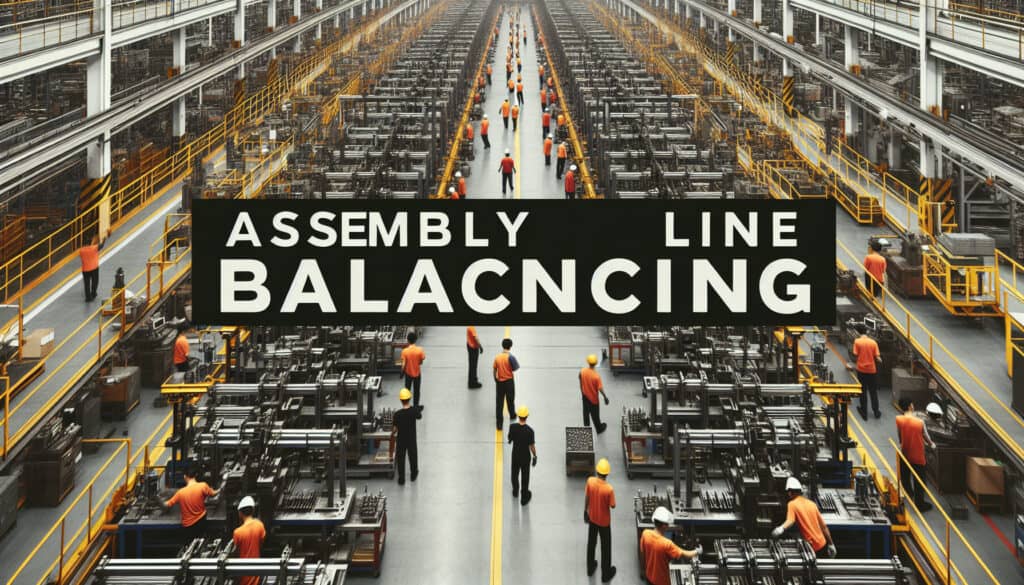
Assembly line balancing finds extensive application in industries such as automotive manufacturing, electronics, appliance assembly, and consumer goods production, where the combination of efficiency and quality is paramount. In these sectors, the method is implemented during the design and configuration phases of production systems, particularly when establishing new assembly lines or reconfiguring existing ones to adapt to demand fluctuations or new product introductions. Different stakeholders are involved in this process, including industrial engineers, production managers, and operations researchers, who collaborate to analyze work tasks, determine cycle times, and allocate resources effectively. Tools such as Work Element Analysis, which breaks down tasks into smaller components, and software applications designed for optimization algorithms, support the balancing process. By applying assembly line balancing techniques, firms can achieve a more equitable distribution of work among stations, reducing bottlenecks and minimizing waste through more effective use of labor and machinery. The methodology not only enhances production rates but can also lead to improved quality control measures by allowing for more consistent workflow and better monitoring at various stages of the assembly process. Additionally, it plays a significant role in 린 제조 initiatives aimed at reducing lead times and increasing responsiveness to market changes. Implementing these strategies requires continuous feedback and adjustment, making it imperative for teams to establish clear communication channels among all participants involved, ensuring that performance metrics and production goals align with the overall objectives of the organization.

이 방법론의 주요 단계

  1. 작업 및 작업 간 종속성을 기반으로 워크스테이션을 정의합니다.
  2. 각 작업에 소요되는 시간을 계산하여 작업량을 파악합니다.
  3. 원하는 생산 속도를 기준으로 사이클 시간을 파악합니다.
  4. 워크스테이션 간 작업 부하 분포를 분석합니다.
  5. 최대 후보 규칙 또는 순위 위치 가중치 방법과 같은 균형 조정 알고리즘을 구현하십시오.
  6. 계산된 효율성 지표를 사용하여 저울의 효율성을 평가하십시오.
  7. 업무 배정을 조정하고 재평가하여 레이아웃을 최적화하세요.
  8. 시뮬레이션 또는 시범 가동을 기반으로 조립 라인 구성을 최종 확정합니다.
  9. 성능을 모니터링하고 필요에 따라 반복적으로 개선하십시오.

프로 팁

  • 유전 알고리즘이나 개미 군집 최적화와 같은 알고리즘적 접근 방식을 활용하여 특히 대규모 조립 라인의 균형 문제에 대한 비선형 솔루션을 모색합니다.
  • 다양한 시나리오를 모델링하고 병목 현상을 파악하기 위한 시뮬레이션 도구를 구현하여 실제 구현 전에 조정할 수 있도록 합니다.
  • 균형 조정 과정에 인체공학적 평가를 통합하여 작업이 효율적일 뿐만 아니라 작업자의 복지와 생산성 향상에도 도움이 되도록 해야 합니다.

여러 방법론을 읽고 비교하기 위해, 저희는 다음을 추천합니다

> 광범위한 방법론 저장소  <
400가지가 넘는 다른 방법론들과 함께.

이 방법론에 대한 의견이나 추가 정보는 언제든지 환영합니다. 아래 댓글란 ↓ , 엔지니어링 관련 아이디어나 링크도 마찬가지입니다.

역사적 맥락

1950
1955
1956
1960
1960
1960
1960
1950
1950
1955
1958
1960
1960
1960
1960

(날짜를 알 수 없거나 관련이 없는 경우, 예를 들어 "유체역학"의 경우, 주목할 만한 등장 시기를 대략적으로 추정하여 제공합니다.)

10년차 기념일

고화질 이미지 및 다운로드는 등록된 회원에게만 100% 무료로 제공됩니다.

> 로그인 <