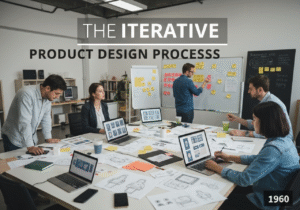
Brainstorming is widely utilized in various phases of product design, particularly during the ideation stage, where designers, engineers, and marketing teams collaborate to explore creative solutions for a given challenge. This informal approach thrives in industries such as technology, consumer products, automotive, and healthcare, where innovation is paramount for staying competitive. Typically, the initiative for a brainstorming session can be driven by project managers, design leads, or innovation officers, and often includes diverse participants like engineers, designers, researchers, and even customers to encourage a wide range of perspectives and expertise. Techniques such as mind mapping, round-robin sharing, or the ‘6-3-5’ method—where six participants generate three ideas each within five minutes—can further enhance idea generation. Brainstorming also allows for the rapid fusion of existing concepts into new products. The absence of judgment during sessions encourages bold thinking, which can be particularly beneficial when addressing complex design challenges or exploring novel technologies. Teams can document findings and prioritize ideas for further development or prototyping, supporting the
迭代设计 process common in engineering and product development. Successful applications include everything from creating
以用户为中心 digital applications to innovating sustainable materials in manufacturing, demonstrating its versatility across various fields.