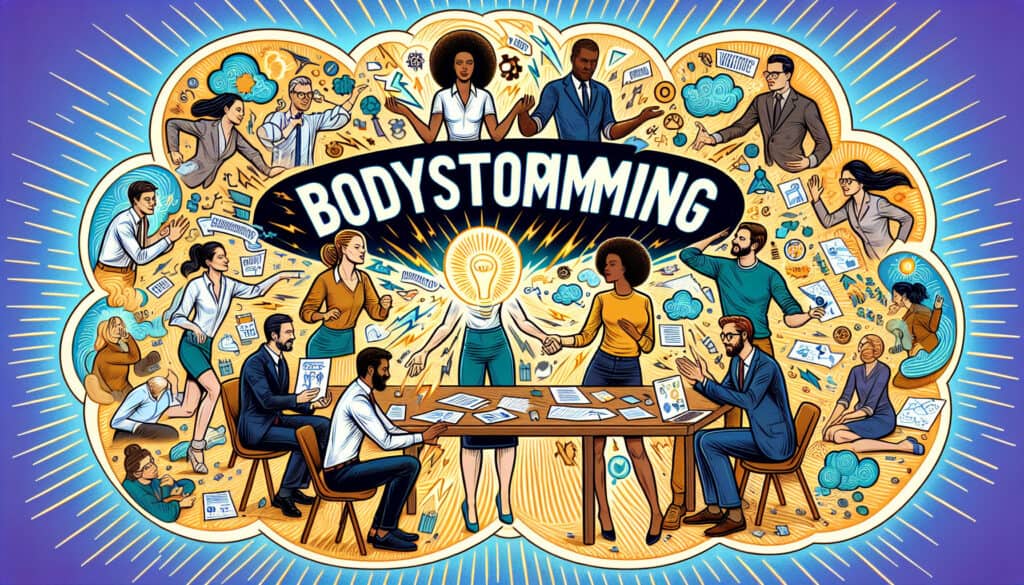
Bodystorming can be particularly effective in industries such as healthcare, consumer electronics, and automotive design, where understanding user interactions with products or services is paramount. During this methodology, participants may include designers, engineers, marketing teams, and actual users or stakeholders, enriching the ideation process with diverse perspectives. This approach is especially beneficial during the ideation and prototyping phases of design projects, where conventional brainstorming might fall short in capturing the realism of physical interactions or emotional responses. For instance, when designing a new
医疗器械, team members might simulate patient-doctor interactions to highlight potential obstacles in usability, thus allowing designers to address real-world concerns proactively. This methodology encourages playful experimentation, fostering an environment where team members feel comfortable exploring unconventional ideas without the constraints of traditional brainstorming methods. Engaging in bodystorming can also enhance team cohesion, as participants share experiences and insights that can lead to unexpected solutions, making it a valuable tool in the
迭代设计 process. As teams physically immerse themselves in user situations, the tangible experience can spark innovative thoughts that may not surface through standard abstract brainstorming sessions.
To read and compare several methodologies, we recommend the
> Extensive Methodologies Repository <
together with the 400+ other methodologies.
Your comments on this methodology or additional info are welcome on the comment section below ↓ , so as any engineering-related ideas or links.