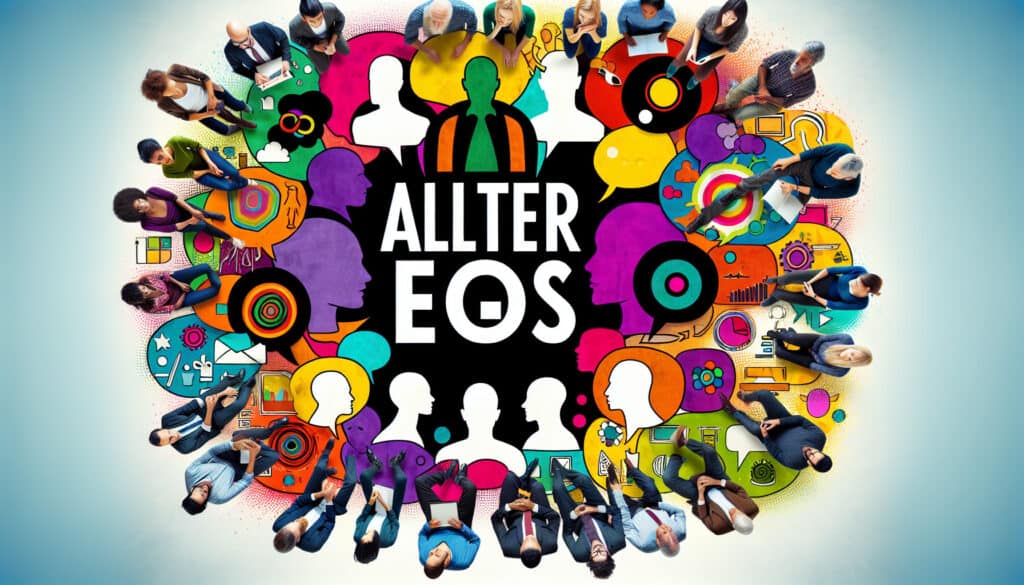
“分身”方法论要求参与者扮演不同的角色。 人们 to inspire fresh thinking and 创意 in various contexts, particularly beneficial in product design and innovation. This approach can be applied effectively during the ideation stage of project development, where teams are tasked with solving specific challenges or generating novel concepts. Industries such as consumer electronics, automotive design, and healthcare technology frequently utilize this method to stimulate different viewpoints among their design teams, leading to innovative solutions that break traditional molds. For example, a team tasked with designing a user-friendly medical device might take on the roles of patients, doctors, and caregivers to understand varying experiences and needs, thus generating comprehensive ideas that cater to those they aim to serve. The methodology thrives in collaborative settings, where interaction among diverse group members—including designers, engineers, marketers, and end-users—can lead to richer ideation sessions. Facilitators can initiate this exercise by guiding participants through a structured process of developing their alter egos and encouraging them to articulate thoughts and solutions as these personas, which can unearth unconventional ideas that may not surface in traditional brainstorming. Such a practice not only stimulates creativity but also creates a more empathetic understanding within teams, as they step into the shoes of their end-users or stakeholders, allowing for more targeted and innovative outcomes.
该方法的关键步骤
选择一个能够体现与问题相关的不同特质或态度的另一个自我。
完全接受所选角色的心态和特征。
参与头脑风暴会议,像你的另一个自我一样提出想法。
记录所有想法,不要妄加评判或评价。
从另一个自我的视角分析产生的想法。
确定哪些想法可以转化回你最初的用户画像,以便进行进一步的开发。
专业提示
Utilize personas from various domains, such as 客户群体 or industries, to challenge assumptions and uncover unconventional solutions.