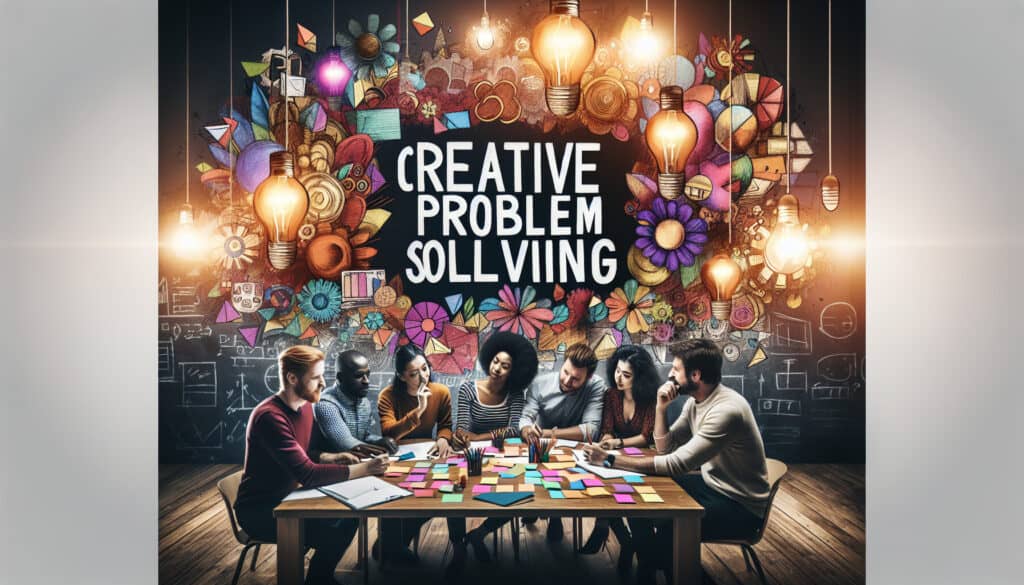
创意 问题解决 (CPS) is particularly effective in industries such as product design, technology development, and engineering, where teams face multifaceted challenges requiring innovative approaches. It finds application in sectors like healthcare, where teams tackle issues ranging from patient experience enhancements to medical technology advancements, and in consumer goods, where companies are focused on meeting evolving customer needs and preferences. CPS is ideally implemented during the ideation and prototype phases of product development, allowing teams to explore various concepts and refine their ideas based on user feedback and testing. Cross-disciplinary collaboration among participants such as designers, engineers, marketers, and end-users is encouraged, inviting diverse viewpoints and fostering creativity. This methodology promotes a safe environment for brainstorming without fear of judgment, thereby stimulating a wide array of potential solutions. An example of its application is in automotive design, where teams might address not only aesthetic concerns but also functionality, safety, and sustainability, necessitating a thorough investigation of existing constraints and opportunities before arriving at a final design. The flexibility of the CPS approach allows organizations to adapt it to fit specific contexts and challenges, making it applicable not just in corporate settings, but also in educational environments where students 从事 in project-based learning and are taught to think innovatively. This structured approach not only increases the likelihood of generating effective solutions but also enhances team cohesion and collective problem-solving capability.
该方法的关键步骤
找出挑战或机遇。
明确问题陈述。
通过头脑风暴或其他创意技巧产生想法。
根据可行性和影响,对想法进行提炼和优先排序。
开发选定解决方案的原型或模型。
测试并评估原型产品的有效性。
实施最佳解决方案并监控结果。
专业提示
在问题澄清阶段运用同理心地图,深入了解用户需求和痛点。
包含 快速成型 to test ideas quickly, allowing for iterative feedback and refinement before full implementation.