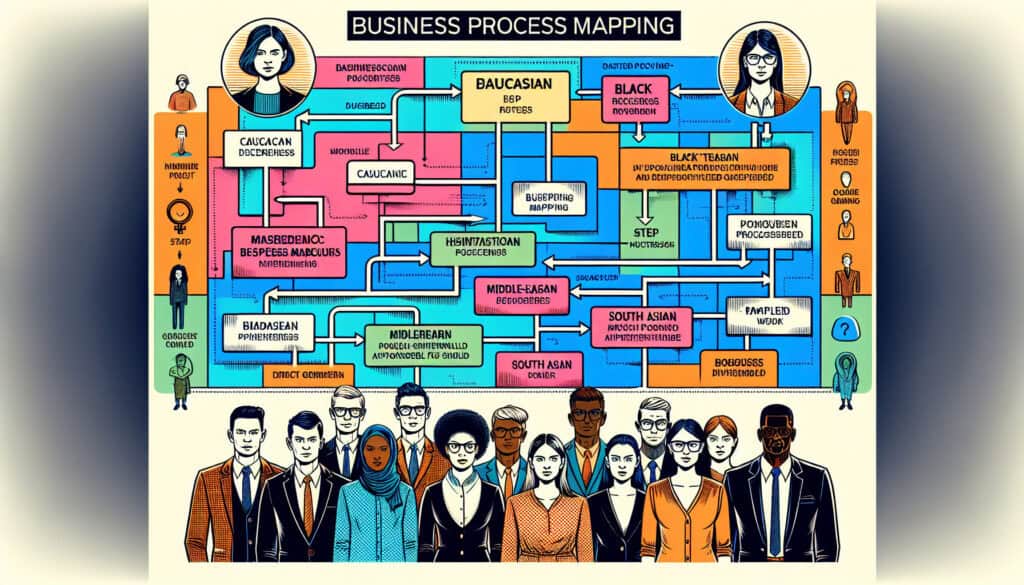
Business Process Mapping plays a significant role in various sectors including manufacturing, healthcare, finance, and software development, as it provides a structured approach to visualizing workflows within these industries. In the context of project management, this methodology is particularly effective during the initial phases of process analysis and design, helping teams clarify current processes before implementing new systems or technologies. Participants usually include process owners, project managers, analysts, and often end-users, ensuring comprehensive input that captures all aspects of the workflow. For example, in healthcare, mapping medication administration processes can reveal bottlenecks that lead to medication errors, enabling improvements in patient safety. In software development, visual maps can illustrate user journey flows, ensuring that the design aligns with user expectations and needs. Tools such as BPMN (Business Process Model and Notation) offer standardized symbols to create diagrams that communicate effectively across departments, bridging gaps between technical and non-technical stakeholders. This approach enhances training by providing a visual reference that learners can refer to, making the understanding of complex procedures more accessible. Additionally, mapping enables a comparative analysis of alternative processes, supporting businesses in making data-driven decisions regarding potential improvements or automation strategies, which can lead to significant cost savings and productivity gains over time.
该方法的关键步骤
明确界定流程范围和边界。
确定流程的输入、输出和关键利益相关者。
运用流程图技术绘制流程的当前状态。
找出并分析当前流程中的瓶颈和低效之处。
根据分析结果,提出改进方案和替代工作流程。
创建反映拟议变更的未来状态流程图。
与利益相关者确认未来状态图,以获得共识和支持。
制定拟议变更的实施计划。
专业提示
从事 stakeholders early in the mapping process to ensure their perspectives and knowledge are incorporated, building collective ownership and increasing buy-in for future improvements.