Product Design, Manufacturing & Innovation Resources
家 » 生物多样性热点

生物多样性热点

1988
  • Norman Myers
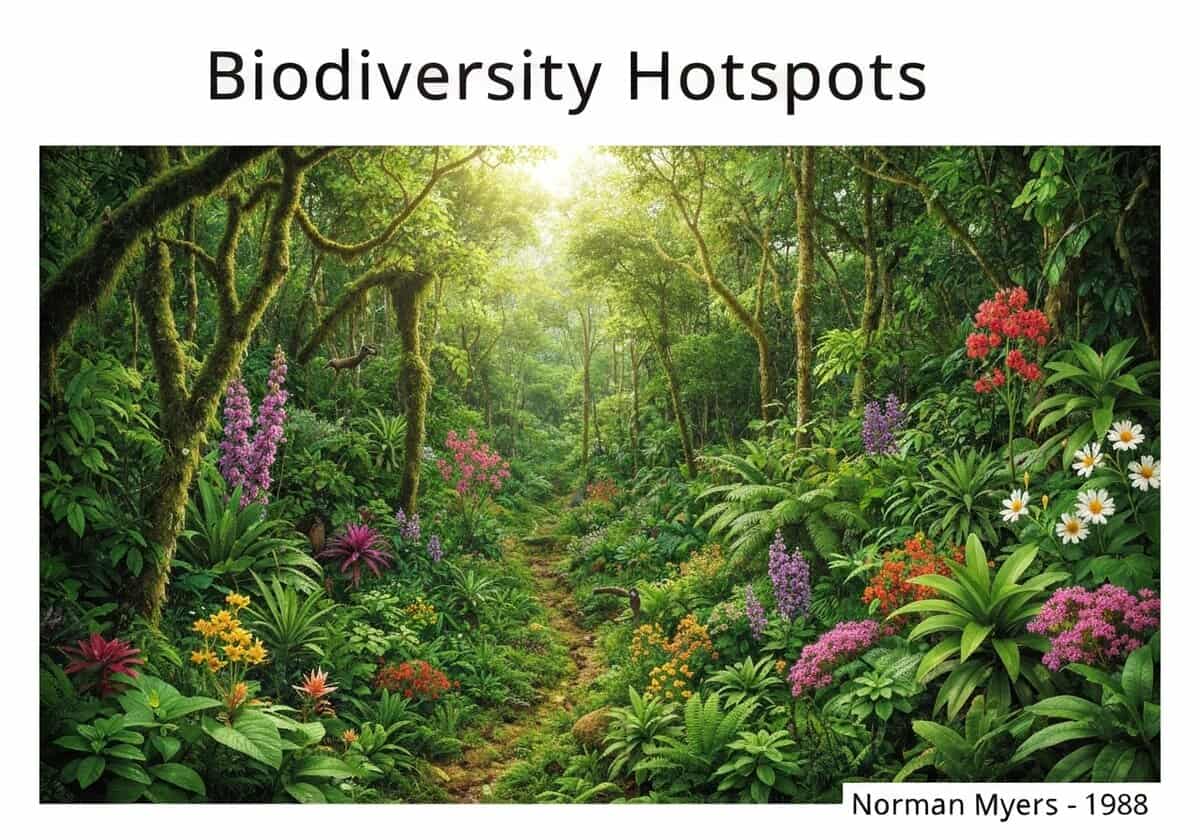
茂密的生物多样性热点地区,拥有茂密森林生态系统中的特有物种。.

(图片仅供参考)

生物多样性热点概念指以特有物种异常集中且栖息地严重丧失为特征的生物地理区域。要符合这一条件,一个区域必须包含至少1500种特有维管植物,并且其原始原生植被至少已丧失70%。该框架优先考虑不可替代性和脆弱性较高的地区进行保护。

The concept of 生物多样性 hotspots was first introduced by Norman Myers in two articles in “The Environmentalist” in 1988 and 1990, and was subsequently revised and updated. The core idea is to provide a clear, quantifiable method for identifying conservation priorities. The two strict criteria—high endemism and significant habitat loss—aim to pinpoint areas where conservation actions can protect the largest number of unique species for the least cost. Endemism refers to species that are found nowhere else on Earth, making their survival entirely dependent on the health of their single, native habitat. The threshold of 1,500 endemic vascular plants (which is 0.5% of the world’s total) was chosen as a robust indicator of overall species richness and endemism, as plants form the basis of most terrestrial ecosystems.

第二个标准,即至少70%的原始栖息地丧失,凸显了威胁的紧迫性。这些地区不仅生物多样性丰富,而且正处于永远失去这种丰富性的边缘。最初的分析确定了25个生物多样性热点地区,这些地区仅占地球陆地面积的1.4%,却拥有全球44%的植物物种和35%的陆生脊椎动物物种。2004年的重新评估将热点地区数量扩大到34个,随后的更新进一步完善了地图。这些热点地区包括巴西大西洋森林、马达加斯加、菲律宾和地中海盆地等著名区域。这一概念在引导数十亿美元投入保护工作方面发挥了重要作用,有效地为资源有限、面临生物多样性危机的地球建立了一个“紧急救助”系统。

Despite its success and widespread adoption, the hotspot concept is not without its critics. Some argue that it neglects other important biodiversity metrics, such as total species richness (not just endemics), ecosystem services, or marine and freshwater ecosystems. Others point out that it may overlook “coldspots” which, while less diverse, can harbor unique evolutionary lineages or play crucial roles in ecosystem function. Nevertheless, the hotspot approach remains a powerful and influential tool in global conservation strategy, providing a scientifically-defensible framework for making difficult decisions about where to focus limited conservation funds and actions.
UNESCO Nomenclature: 2407
- 生态学

类型

概念框架

中断

递增

用法

广泛使用

前体

  • 麦克阿瑟和威尔逊的岛屿生物地理学理论
  • 地方特有性和起源中心的概念
  • 物种-面积关系模型
  • 早期的保护运动专注于魅力十足的巨型动物

应用程序

  • 指导保护国际和世界银行等组织的保护投资
  • 告知国家和国际保护政策
  • 确定建立保护区的优先区域
  • 将科学研究重点放在受到威胁的生物多样性丰富的地区

专利:

NA

潜在创新理念

  • 基于卫星图像和气候数据实时更新的人工智能动态热点地图
  • integrating ‘phylogenetic diversity hotspots’ to prioritize areas with unique evolutionary history
  • developing ‘ecosystem service hotspots’ to identify areas critical for human well-being, like water purification or 碳封存
  • 创建城市生物多样性热点,引导城市绿色基础设施发展
  • 将热点保护与碳信用市场联系起来,为保护提供资金
  • 游戏化的移动应用程序,允许公民科学家为热点监测贡献数据
  • 利用热点河流的 eDNA 分析快速评估水生生物多样性健康状况
  • 为各国开发保险产品,保护其热点地区免受气候相关损害
  • establishing ‘hotspot corridors’ to connect fragmented habitats and allow for species migration
  • creating a global ‘hotspot seed bank’ focused exclusively on the most threatened endemic plants
相关主题:生物多样性热点地区、保护、特有种、栖息地丧失、诺曼·迈尔斯、生物地理学、国际自然保护协会、优先区域、物种丰富度、受威胁物种。

历史背景

生物多样性热点

1975
1979
1983
1988
1990
1990
1997
1975
1977
1983
1987
1990
1990
1990
1997

(如果日期未知或不相关,例如“流体力学”,则提供其显著出现的近似估计)

第十年 周年纪念日

只有注册会员才能免费获取完整尺寸的图片和下载内容。

> 登录 <