Product Design, Manufacturing & Innovation Resources
家 » 生物多様性のホットスポット

生物多様性のホットスポット

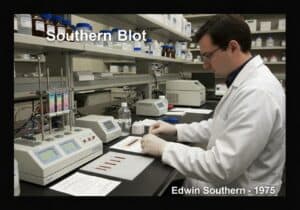
1988
  • Norman Myers
Lush biodiversity hotspot with endemic species in a dense forest ecosystem.

(画像はイメージです)

の 生物多様性 hotspot concept identifies biogeographic regions characterized by exceptional concentrations of endemic species and experiencing extreme habitat loss. To qualify, a region しなければならない contain at least 1,500 species of vascular plants as endemics and have lost at least 70% of its original primary vegetation. This framework prioritizes conservation efforts on areas of high irreplaceability and vulnerability.
生物多様性ホットスポットの概念は、ノーマン・マイヤーズが1988年と1990年に『The Environmentalist』誌に掲載した2つの記事で初めて提唱し、その後改訂・更新された。その核心となる考え方は、保全の優先順位を明確に定量化できる方法を提供することである。2つの厳格な基準、すなわち高い固有性と深刻な生息地の喪失は、最小限のコストで最大の固有種を保護できる保全活動の対象となる地域を特定することを目的としている。固有性とは、地球上の他のどこにも見られない種を指し、その生存は唯一の固有の生息地の健全性に完全に依存している。植物はほとんどの陸上生態系の基盤を形成しているため、1,500種の固有維管束植物(世界の維管束植物総数の0.5%)という閾値は、全体的な種の豊富さと固有性を示す確固たる指標として選ばれた。

2つ目の基準である、元の生息地の少なくとも70%の喪失は、脅威の緊急性を強調しています。これらの地域は生命が豊かであるだけでなく、その豊かさを永遠に失う瀬戸際にあります。最初の分析では、25のホットスポットが特定され、地球の陸地のわずか1.4%に、世界の植物種の44%と陸生脊椎動物種の35%が生息していました。2004年の再評価では、リストが34のホットスポットに拡大され、その後の更新で地図がさらに洗練されました。これらのホットスポットには、ブラジルの大西洋岸森林、マダガスカル、フィリピン、地中海盆地などのよく知られた地域が含まれます。この概念は、数十億ドルを保全活動に投入する上で重要な役割を果たし、限られた資源で生物多様性の危機に直面している地球のための「トリアージ」システムを効果的に作り出しました。

Despite its success and widespread adoption, the hotspot concept is not without its critics. Some argue that it neglects other important biodiversity metrics, such as total species richness (not just endemics), ecosystem services, or marine and freshwater ecosystems. Others point out that it may overlook “coldspots” which, while less diverse, can harbor unique evolutionary lineages or play crucial roles in ecosystem function. Nevertheless, the hotspot approach remains a powerful and influential tool in global conservation strategy, providing a scientifically-defensible framework for making difficult decisions about where to focus limited conservation funds and actions.

UNESCO Nomenclature: 2407
生態学

タイプ

概念フレームワーク

混乱

増分

使用法

広く普及している

前駆物質

  • マッカーサーとウィルソンによる島嶼生物地理学の理論
  • 固有性の概念と起源中心地
  • 種面積関係モデル
  • 初期の保護運動は、カリスマ性のある大型動物に焦点を当てていた。

アプリケーション

  • 保全国際機構や世界銀行などの組織による保全投資の指針となる
  • 国内外の自然保護政策に情報を提供する
  • 保護区設置の優先順位付け
  • 生物多様性が高く、脅威にさらされている地域に科学研究の焦点を当てる

特許:

NA

潜在的なイノベーションのアイデア

  • ai-driven dynamic hotspot mapping that updates in real-time based on satellite imagery and climate data
  • integrating ‘phylogenetic diversity hotspots’ to prioritize areas with unique evolutionary history
  • developing ‘ecosystem service hotspots’ to identify areas critical for human well-being, like water purification or carbon sequestration
  • creating urban biodiversity hotspots to guide green infrastructure development in cities
  • linking hotspot conservation with carbon credit markets to fund protection
  • gamified mobile apps that allow citizen scientists to contribute data for hotspot monitoring
  • using eDNA analysis in hotspot rivers to rapidly assess aquatic biodiversity health
  • developing insurance products for countries to protect their hotspot regions against climate-related damages
  • establishing ‘hotspot corridors’ to connect fragmented habitats and allow for species migration
  • creating a global ‘hotspot seed bank’ focused exclusively on the most threatened endemic plants
関連キーワード:生物多様性ホットスポット、保全、固有種、生息地の喪失、ノーマン・マイヤーズ、生物地理学、国際保全機構、優先地域、種の豊富さ、絶滅危惧種。

歴史的背景

生物多様性のホットスポット

1975
1979
1983
1988
1990
1990
1997
1975
1977
1983
1987
1990
1990
1990
1997

(日付が不明または関連性がない場合、例えば「流体力学」などでは、その注目すべき出現時期の概算値が提示されます。)

10年目 周年

フルサイズの画像とダウンロードは、登録会員のみが100%無料で利用できます。