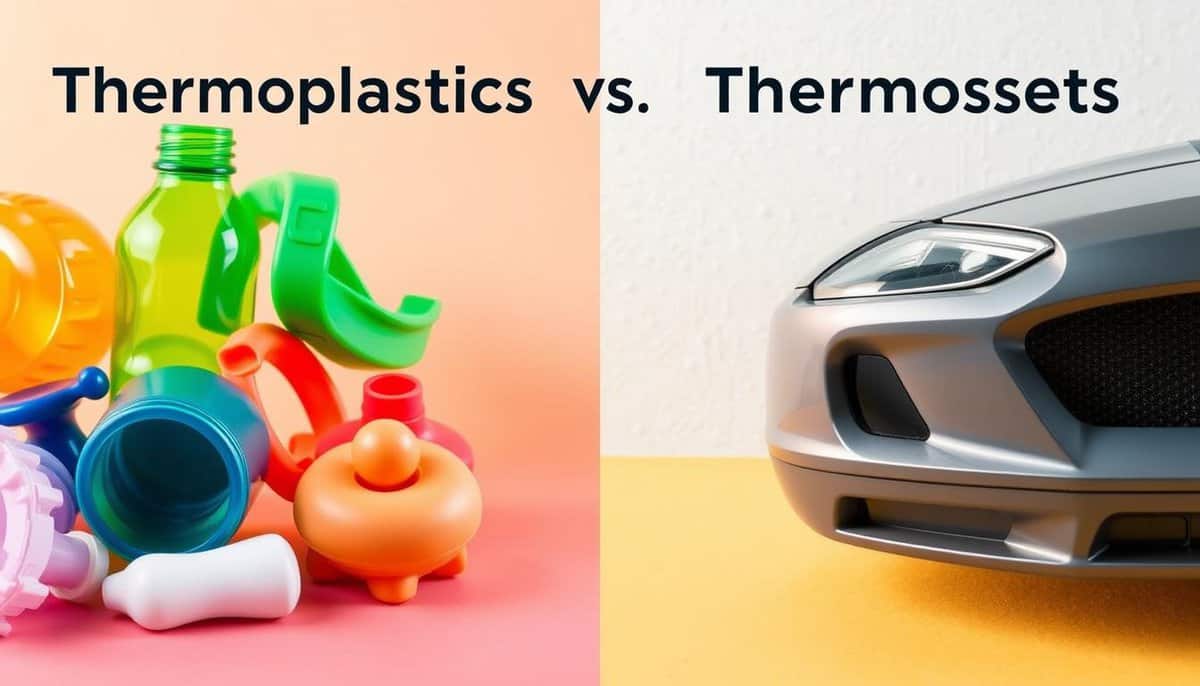
Did you know thermosetting plastics like epoxy resins are more heat resistant after curing? They are also more chemically stable compared to thermoplastics. This strength and stability make thermosets essential for high-temperature uses in aerospace and automotive fields. But, unlike thermoplastics, thermosets can’t be reshaped or recycled after curing. This key difference makes the discussion on thermoplastics vs thermosets very important.
Key Takeaways
- Thermosets are known for excellent dimensional stability, high strength, and good chemical resistance.
- Thermoplastics can be reshaped and are recyclable, offering high impact resistance and good adhesion to metals.
- Thermosets cannot be recycled and are more heat resistant compared to thermoplastics.
- Common thermoplastics include ABS, PVC, and nylon; common thermosets include epoxy resins and silicone.
Understanding Thermoplastics
Thermoplastics are important polymers used in many industries. They are flexible and adaptable. Unlike thermosets, they can be heated and shaped again many times. This ability means they are efficient to manufacture and easy to recycle.
Characteristics of Thermoplastics
Thermoplastics have several key features. They are tough against impacts and look good. You can join them to metals easily. They can be molded or extruded, giving makers a lot of choices. Polypropylene (PP), polyethylene (PE), and polycarbonate (PC) are among the top types used.
Common Applications of Thermoplastics

Thermoplastics are used in many things because of their amazing properties, cost and variety of processes.
- Packaging, including food containers and bottles
- Automotive components like dashboards and bumpers
- Textiles and clothing
- Medical devices and supplies
- Consumer electronics and home appliances
- Construction components
- Toys and recreational equipment
This shows how important thermoplastics are in various fields, from healthcare to daily products.
Advantages and Disadvantages of Thermoplastics
It’s key to compare thermoplastics and thermosets. Thermoplastics have many pluses. They can be melted down and reshaped, which is good for the planet. They are usually tougher and cheaper than thermosets. But, they might not do well with UV light and very high heat.
Here’s a look at how thermoplastics and thermosets match up:
| Property | Thermoplastics | Thermosets |
|---|---|---|
| Recyclability | Can be remelted and reused | Cannot be reshaped |
| Heat Resistance | Lower | Higher |
| Chemical Resistance | Moderate | High |
| Toughness | High | Lower |
| Cost | Lower | Higher |
Understanding Thermosets

Thermosets are special types of polymers. They bond in a way that can’t be undone once cured. This means they can’t be reshaped or reused after they harden. Thermosets are great at handling high temperatures. This makes them perfect for tough jobs.
Epoxy resins, phenolics, and silicones are common thermosets. They’re used in industries that need strong, durable materials. For instance, aerospace and defense need parts that can handle a lot of stress. The automotive industry uses them for parts exposed to lots of heat and chemicals.
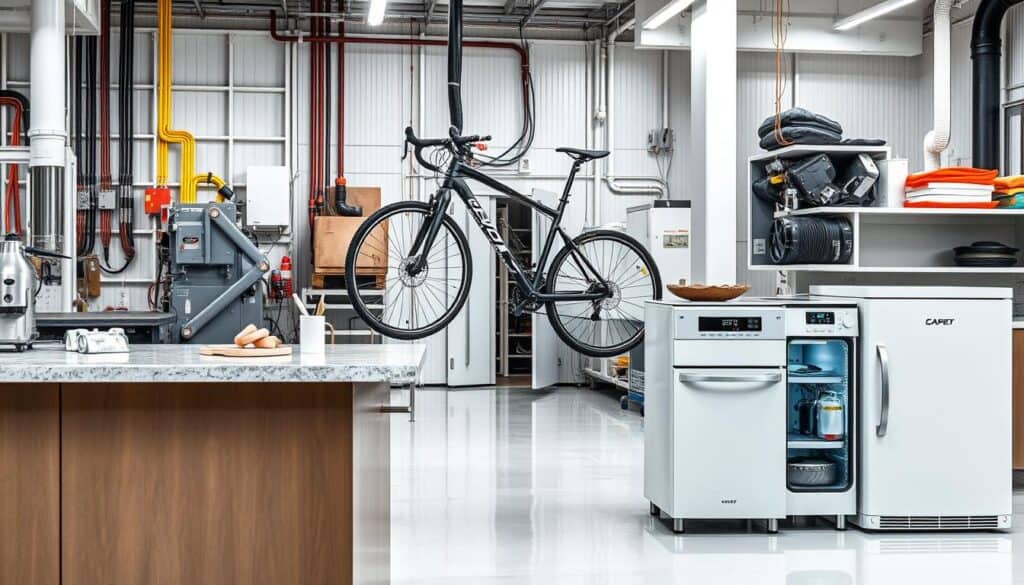
Thermosets have many advantages. They keep their shape well and resist chemicals strongly. That’s why industries like appliance and electrical, energy, and construction use them. They meet the need for reliable materials in these fields.
Here’s a look at some key features of different thermosets:
| Thermoset Type | High-Temperature Resistance | Dimensional Stability | Chemical Resistance |
|---|---|---|---|
| Epoxy Resins | Excellent | Very Good | Very High |
| Phenolics | High | Good | High |
| Silicones | Exceptional | Excellent | Excellent |
The rest of this article is reserved for members
To limit scraping bots (currently 40,000 hits per day!),
we had to restrict access to full articles and tools to registered members only.
to access all the rest.
FAQ
What are the primary differences between thermoplastics and thermosets?
Thermoplastics and thermosets vary mainly in how they react to heat. Thermoplastics can be heated and cooled many times. This means they can be recycled and reshaped without changing chemically. Thermosets, however, change chemically when heated and can’t be reshaped afterwards. They become strong, durable and temperature-resistant materials.
What are the notable characteristics of thermoplastics?
Thermoplastics are tough and can resist damage well. They look great and stick well to metals. They’re also flexible, making them easy to shape using various methods. For instance, injection molding and extrusion are common. Some familiar examples are polyethylene, polypropylene, and nylon.
What are the advantages and disadvantages of thermoplastics?
Thermoplastics are great because they can be recycled, shaped in many ways, and can take a hit. The downside is they don’t do well under UV light or high heat. This can limit their use in some hot environments.
What are some common types of thermosets?
Epoxy resins, phenolics, and silicones are kinds of thermosets. They handle high heat well, keep their shape, and resist chemicals. This makes them good for tough jobs.
In what applications are thermosets typically used?
Thermosets are perfect for parts that have to handle a lot of stress, insulate electricity, or resist heat. Industries that need materials to stay tough in heat, UV exposure or against chemicals use them a lot.
What are the key differences between the properties of thermoplastics and thermosets?
Generally, thermosets are stronger and more rigid, while thermoplastics are flexible and resist impacts well. Thermosets can handle higher temperatures before getting damaged. They are also better against chemicals. But thermoplastics are better against moisture.
How does the recyclability of thermoplastics compare to thermosets?
Thermoplastics stand out because they can be recycled and reshaped many times. This does not change their chemical makeup. This makes them more sustainable. On the other hand, thermosets can’t be remolded or recycled once they’ve set. This is due to their permanent chemical bonds.
External Links on Thermoplastics and Thermosets
International Standards
(hover the link to see our description of the content)