Mechanical Engineer Scorecard compared with Skills Base and TalentGuard| Mechanical Engineer Scorecard | Skills Base | TalentGuard |
|---|
| Main purpose: A self-assessment and role-profiling tool for mechanical engineers. It can also describe the requirements of an open mechanical engineering position. It manages no workforce data. | Main purpose: Skills management software for frontline and operational teams. It tracks verified skills, role requirements and certification status across a workforce. | Main purpose: A workforce intelligence platform for HR and business leaders. It builds governed role standards, assesses people against them and supports career pathing and succession decisions. |
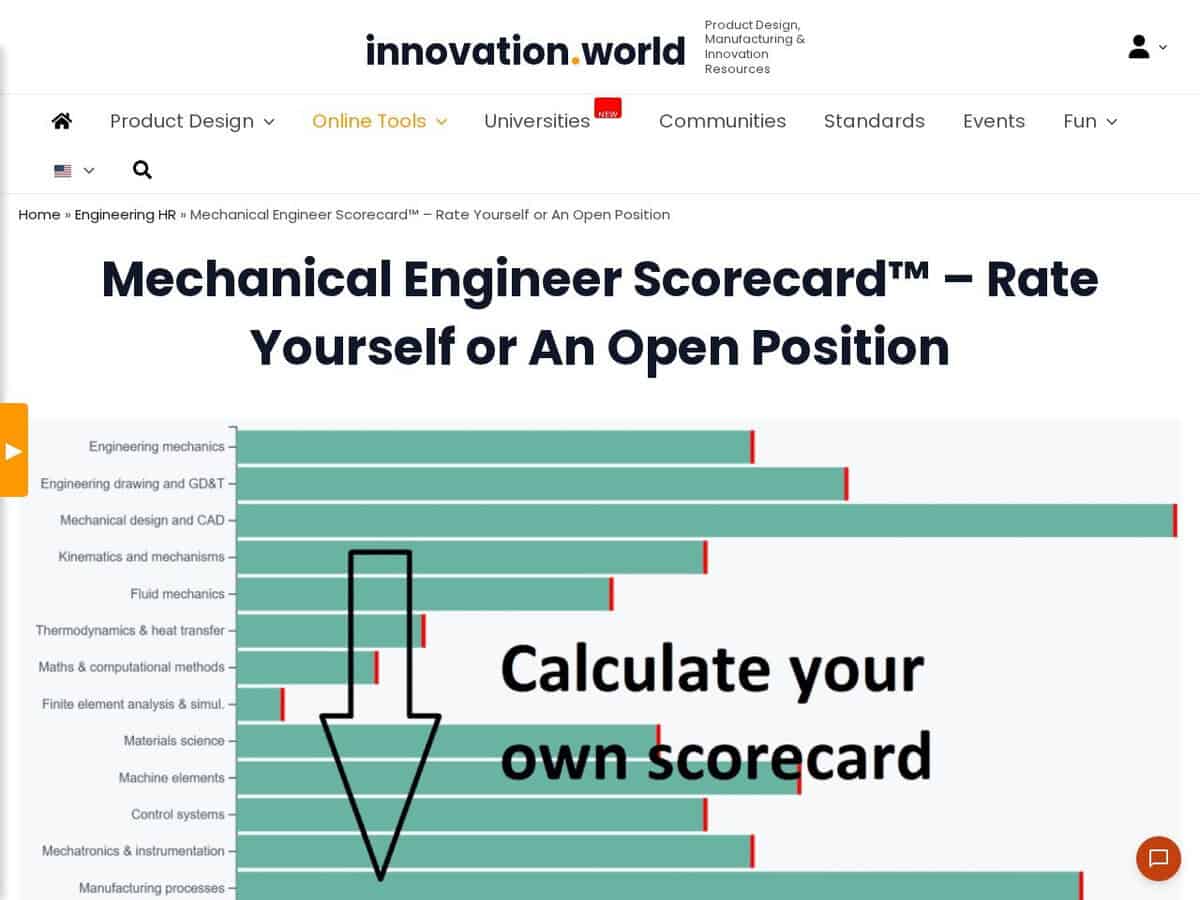
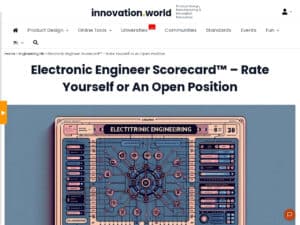
| Method and inputs: The user spreads a point pool, scaled to years of experience, over 18 mechanical domains such as engineering mechanics, CAD, fluid mechanics and quality management. Each domain is capped at 20 points, so a specialist profile shows clearly. | Method and inputs: Skills are rated against a taxonomy that the organisation builds itself. Ratings can be verified, and gap analysis is computed against role requirements. | Method and inputs: Role standards are generated with AI and then approved by the customer experts. Proficiency and the identity of the verifier are recorded, and gaps are shown against the approved standard. |
| Technical depth for mechanical engineering: The domain list is fixed and written for mechanical design and manufacturing. Industry sector and soft skills are not scored. | Technical depth for mechanical engineering: The taxonomy is generic. Mechanical competencies such as materials or tolerancing must be defined by the customer, which allows adaptation to any plant or sector. | Technical depth for mechanical engineering: Role content is generic and generated per organisation. No fixed mechanical domain model is described on the vendor home page. |
| Output and integration: An interactive graph of the point distribution and a saved snapshot. Full-size images and downloads are reserved to registered members. No API is described. | Output and integration: Skills matrices, gap reports and training plans, with an API and an MCP server. It lists manufacturing and engineering among its target industries. | Output and integration: Assessments, development plans and talent insights inside the platform. The vendor page does not describe a public API. |
| Cost and access: Free to use. Free registration is needed for the dashboard and for downloads. | Cost and access: Free for up to 25 users, with paid per-seat Teams and Enterprise plans. An Ultimate plan is priced on request. | Cost and access: No prices are published. A free WorkforceGPT trial, a 90-day pilot and enterprise demos are offered. |
| When to choose it: Choose it for a quick personal profile or a clear job specification without any set-up. | When to choose it: Choose it to maintain a verified skills matrix for a team or production site. | When to choose it: Choose it for governed role standards and succession planning in a large organisation. |