친환경 설계(DfE), 또는 에코디자인은 제품 및 공정 개발에 있어 제품 수명 주기 전반에 걸쳐 환경 및 인체 건강에 미치는 영향을 최소화하는 선제적인 접근 방식입니다. 친환경 설계는 비용 및 성능과 같은 기존 요소와 더불어 환경적 고려 사항을 초기 설계 단계에 통합하여 오염을 방지하고 자원을 절약하는 것을 목표로 합니다.

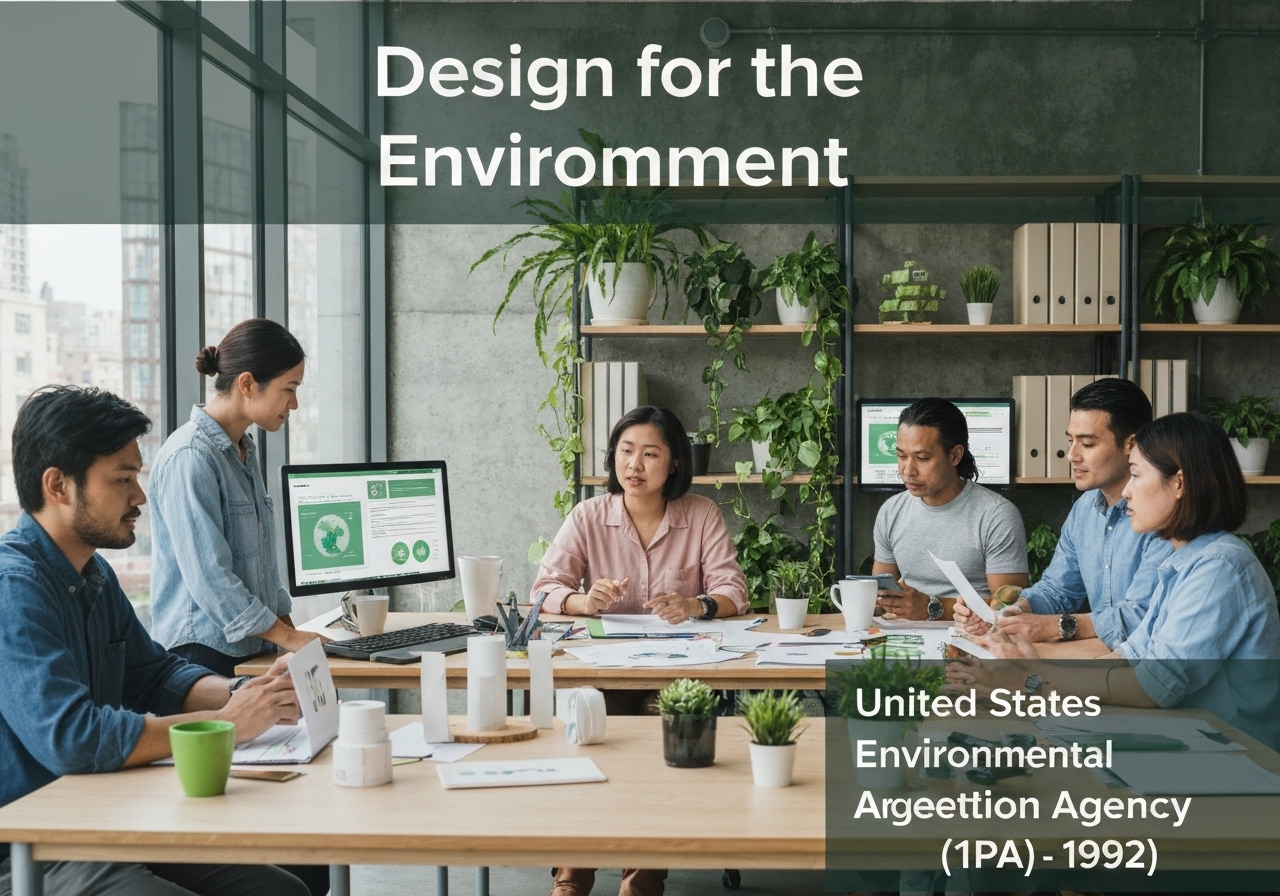
(설명을 위한 생성된 이미지입니다)
친환경 설계(DfE), 또는 에코디자인은 제품 및 공정 개발에 있어 제품 수명 주기 전반에 걸쳐 환경 및 인체 건강에 미치는 영향을 최소화하는 선제적인 접근 방식입니다. 친환경 설계는 비용 및 성능과 같은 기존 요소와 더불어 환경적 고려 사항을 초기 설계 단계에 통합하여 오염을 방지하고 자원을 절약하는 것을 목표로 합니다.

DfE emerged from the realization that end-of-pipe pollution controls were inefficient and costly. Instead of treating waste after its creation, DfE focuses on prevention by making smarter choices during design. This holistic approach employs life-cycle thinking, evaluating everything from raw material extraction (‘cradle’) to manufacturing, use, and final disposal (‘grave’). Key principles include selecting low-impact, non-toxic, and 재활용됨 materials; minimizing overall material and energy usage during production and operation; and designing for longevity, repairability, and 분해. By considering a product’s 수명 종료 at its beginning, DfE facilitates recycling, remanufacturing, and safe decomposition, forming a cornerstone of the circular economy. The novelty of DfE was its fundamental shift from a reactive to a proactive and systemic view of environmental protection within industry, embedding sustainability as a core criterion of innovation and quality, rather than an afterthought or a regulatory burden. It transformed environmental management from a compliance issue into a strategic business opportunity.
환경을 고려한 디자인(교육부)
(날짜를 알 수 없거나 관련이 없는 경우, 예를 들어 "유체역학"의 경우, 주목할 만한 등장 시기를 대략적으로 추정하여 제공합니다.)

고화질 이미지 및 다운로드는 등록된 회원에게만 100% 무료로 제공됩니다.
> 로그인 <