Neural engineering is a field where neuroscience meets engineering. It aims to create technologies that communicate or improve brain function. By combining biology, computer science, and electrical engineering, it allows us to connect with the brain. This helps in finding new ways to diagnose and treat brain issues.
Sectors like brain devices and 뇌-컴퓨터 인터페이스 are growing fast. This growth comes from more older people and newer, easier medical procedures. The University of Illinois Urbana-Champaign offers an online talk for new students. It covers Bioengineering, Neural Engineering, and Computer Science + Bioengineering. The talk highlights how brain technology and interaction are changing healthcare.
핵심 요약
- 신경공학은 신경과학과 공학을 융합하여 두뇌 기능을 향상시키는 기술을 개발하는 학문입니다.
- 신경외과 기기 및 최소 침습 시술에 대한 수요 증가가 업계 성장을 촉진하고 있습니다.
- 일리노이 대학교 어바나-샴페인 캠퍼스는 다학제 프로그램에서 신경 공학을 중점적으로 다룹니다.
- 뇌-컴퓨터 인터페이스는 신경 공학 발전의 최전선에 있습니다.
- 신경계는 미래의 의료 진단 및 치료에 중요한 역할을 할 것입니다.
신경 공학 개론
신경공학은 생의학 분야의 최첨단 혁신 기술입니다. 신경과학과 공학을 결합하여 신경계와 상호작용함으로써 인간의 능력을 향상시키고 신경학적 문제를 해결하는 것을 목표로 합니다. 신경 공학의 기초 이는 의학과 기술에 미치는 큰 영향을 이해하는 데 핵심적인 요소입니다.
인간의 뇌는 매우 복잡하며, 무게는 약 1.4kg이고 약 860억 개의 뉴런과 수많은 신경교세포를 포함하고 있습니다. 이 신경망은 인지 기능에 매우 중요하며, 신경 공학은 바로 이 인지 기능을 향상시키는 것을 목표로 합니다. intro to neuroengineering 획기적인 원칙들을 명확히 밝힌다.
성인 인간의 뇌에는 약 860억 개의 뉴런과 수조 개의 시냅스가 존재하며, 이는 신경 공학 연구의 핵심 대상입니다.
신경공학 전문가들은 뇌졸중, 척수 손상, 간질과 같은 뇌 질환을 치료하는 방법도 연구하고 있습니다. 그들은 기억력과 주의력 같은 뇌 기능을 향상시키는 것을 목표로 합니다. 하지만 이러한 연구는 사생활 보호, 윤리, 그리고 사회에 미치는 영향과 관련하여 심각한 문제들을 제기합니다.
신경공학의 기초
The field of neural engineering is fascinating. It links our nervous system with artificial devices. It leans on neural coding, synaptic plasticity, and brain-computer interfaces (BCIs).
신경 코딩
신경 부호화는 뉴런이 전기적 활동을 이용하여 정보를 처리하는 방식에 관한 것입니다. 이는 뇌가 어떻게 소통하고 신호를 처리하는지 이해하는 데 매우 중요합니다. 연구자들은 다양한 패턴이 감각이나 행동과 어떻게 연결되는지 발견했습니다.
이러한 지식은 발전에 필수적입니다. 비씨에이 이 기술은 신경 보철 장치의 효율성을 높이는 데 도움이 됩니다.
시냅스 가소성
시냅스 가소성은 시냅스가 활동에 따라 강도를 변화시킬 수 있게 해줍니다. 이는 학습과 기억에 매우 중요하며, 뇌 회로가 시간이 지남에 따라 더욱 효율적으로 작동하도록 해줍니다.
신경 공학에서 이 개념은 인공 신경망의 성능을 향상시키는 데 도움이 됩니다. 또한 신경 장치가 우리 몸과 더 잘 연동되도록 해줍니다.
뇌-컴퓨터 인터페이스(BCI)

BCI(뇌-컴퓨터 인터페이스)는 우리의 뇌를 기기와 직접 연결하는 놀라운 도구입니다. 뇌 신호를 명령으로 변환함으로써 사람들은 생각만으로 컴퓨터나 의수 같은 것들을 제어할 수 있게 됩니다.
이 기술은 거동이 불편한 사람들에게 획기적인 변화를 가져다줄 뿐만 아니라, 인간의 능력을 향상시키는 새로운 길을 열어줍니다.
신경공학은 계산신경과학과 전기공학을 비롯한 여러 분야의 지식을 융합합니다. 신경 코딩, 시냅스 가소성, 그리고 BCI 기술 분야에서 축적된 노하우를 바탕으로 우리는 새로운 연결고리를 만들어냅니다. 이 연결고리는 우리의 두뇌와 기기 세계를 연결합니다.
| 필드 | 집중하다 | 예시 |
|---|---|---|
| 신경 코딩 | 뉴런에서의 정보 표현 | 감각과 모터 신호 |
| 시냅스 가소성 | 시냅스 강도의 적응적 변화 | 학습과 기억 |
| 뇌-컴퓨터 인터페이스 (BCIs) | 뇌와 기기 간의 직접적인 통신 | 보철 및 보조 기술 제어 |
Brain-Computer Interfaces: Direct Communication with the Brain
Brain-Computer Interfaces, or BCIs, have changed how we think about the brain talking to machines. Now, people can control computers or artificial limbs just by using their brain waves. These amazing tools are divided into three types of brain-computer interfaces: noninvasive, invasive, and minimally invasive BCIs.
Noninvasive BCIs
Noninvasive BCIs work without surgery. They use special sensors on the outside to pick up brain signals. The most widely used technique is EEG, which records the brain’s electric vibes from the scalp. Hans Berger made a big leap in this field 80 years ago with his study of the alpha rhythm.
Since then, inventions like the P300 speller have emerged. It lets users pick letters on a screen just by thinking. Analyzing the brain’s rhythm and response patterns plays a big role in making these technologies work.
Invasive BCIs
Invasive BCIs require putting electrodes right into the brain. This method provides clearer signals but comes with risks. By training the brain, researchers have used this tech to give new abilities to those with serious physical limitations. Since the 1970s, we’ve seen major advances, including using brain signals to operate gadgets.
Minimally Invasive BCIs
Minimally invasive BCIs are less harsh than fully invasive ones but offer better signals than noninvasive types. They use advanced techniques to place devices inside the brain with less risk. With these tools, people can do things like use a computer, send emails, or move robotic arms just by thinking.
| Type of BCI | Methods/Tools | 장점 | 단점 |
|---|---|---|---|
| Noninvasive | EEG | Ease of acquisition, no surgery | Lower signal clarity |
| Invasive | Microelectrodes, ECoG | High signal clarity | Requires surgery, potential risks |
| Minimally Invasive | Stereotactic depth macroelectrodes, intracortical microarrays | Balance between clarity and invasiveness | Less established than other methods |
Neurostimulation Technologies
Neurostimulation technologies have changed how we treat neurological issues. They bring new options for treatment and research. Among these, Deep Brain Stimulation (DBS) and Transcranial Focused Ultrasound (tFUS) stand out. They use new ways to adjust brain activity and ease symptoms of various diseases.
Deep Brain Stimulation (DBS)
DBS technology works by placing electrodes in the brain. These help control abnormal brain activity. It’s helpful for Parkinson’s disease and essential tremor. DBS targets treatment accurately, reducing bad symptoms and bettering life quality.

Wireless and battery-free implants introduced on April 27, 2023, are big advancements. They offer constant brain activity regulation without regular surgeries or changing batteries. This improves patient comfort and the device’s life.
Transcranial Focused Ultrasound (tFUS)
tFUS is a big step in noninvasive neurostimulation. It targets brain areas with ultrasound waves. This doesn’t require surgery. It’s a good choice for patients who prefer not to have invasive procedures.
tFUS doesn’t just adjust brain circuits. It can treat many neurological issues. For example, it works for psychiatric disorders, chronic pain, and delivering drugs directly to the brain.
DBS and tFUS offer two unique ways to help advance neurostimulation methods. As the demand for these devices grows, seen from 2013 to 2024, they continue to improve treatment for brain conditions. They offer new hope to millions suffering from these complex issues.
| 기술 | 형질 | 응용 프로그램 |
|---|---|---|
| DBS Technology | Implanted electrodes, precise electrical stimulation | Parkinson’s disease, essential tremor, dystonia |
| tFUS Applications | Noninvasive, focused ultrasound waves | Chronic pain, psychiatric disorders, drug delivery |
Applications of Neural Engineering in Medicine
Medical applications of neural engineering are changing how we understand and treat brain disorders. These applications combine advanced technology and medical science. They bring new ways to diagnose and treat brain problems, improving patient outcomes.
Treatment of Neurological Disorders
Neuromodulation is a key area in neural engineering. Neuromodulator devices help manage symptoms of Parkinson’s disease, dystonia, tremors, Tourette’s, chronic pain, OCD, severe depression, and epilepsy. Treating brain disorders with techniques like deep brain stimulation (DBS) and electrical stimulation can change neural activity. This helps restore normal brain functions.
Research is also working on better electrode arrays and data systems. This allows for accurate brain area recordings and stimulations. Such advances are vital for treatments that aim to bring back motor skills and other brain functions.
Advanced Neuroimaging Techniques
Neuroimaging techniques have vastly improved our ability to study brain activity. New imaging tech provides a clear picture of the brain. This helps doctors diagnose and assess different brain conditions. Using these methods alongside neural engineering lets experts collect detailed data. This data is essential for personalized treatments.
High-quality neuroimaging is key to understanding the brain’s structure. It also helps monitor treatment progress. This level of detail in neuroimaging advancements is crucial for managing brain disorders. It leads to new treatment methods.
| Neural Engineering Technique | 애플리케이션 | 영향 |
|---|---|---|
| Deep Brain Stimulation (DBS) | Treating Parkinson’s disease, tremors, dystonia | Alters neural activity to alleviate symptoms |
| Electrical Stimulation | Restoration of motor functions, bladder control | Stimulates neural pathways to regain function |
| Neuroimaging Techniques | Brain mapping, diagnostic evaluation | High-resolution data for detailed brain analysis |
These outstanding techniques show the strong potential of neural engineering in medicine. They are key to diagnosing, treating, and understanding complex brain disorders.
Wearable Neural Engineering Devices
The creation of 의복 neural engineering gadgets has changed how we monitor the brain. Now, devices like EEG headsets and smart glasses let us see brain activity as it happens. They catch the brain’s electrical signals in a way that doesn’t hurt the person wearing them. This is key for medical and everyday uses.
EEG headsets give us a 3D view of brain activity. This is big because they don’t have to cut into the person. So, many people, including researchers and those curious about brain health, use them. They can look at brain activity without any surgery, setting them apart in the world of brain-computer links (BCIs).

Thanks to better AI and machine learning, these wearable neuro devices are getting smarter. They can now read brain signals much better. This means they can tell weak signals from noise. Now, we can control computers with our minds. This opens doors in gaming, mental health, and making us more productive.
Institutions like 카네기멜론 대학교 are key to advancing these gadgets. Their work in the DARPA N3 program is super interesting. They’re exploring ways to use ultrasound and light to make these devices even better.
These gadgets are becoming easier to use, reaching more people. As they mix more with our everyday tech, they’ll change how we monitor health, train our brains, and boost our abilities.
In the end, wearable neuro devices are moving from just an idea to something we can use every day. They’re going to give us new ways to understand our brains. This tech is closing the gap between brain science and practical use.
Neuroprosthetics: Enhancing Human Capabilities
Neuroprosthetics are changing the game for human abilities. They mainly focus on improving how people see, hear, and move. These devices mix cutting-edge materials and smart learning. They give those with disabilities more freedom and a better life.

Restoring Sensory Functions
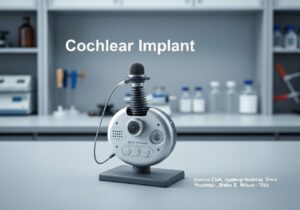
Sensory restoration has had amazing breakthroughs. Take cochlear implants as an example. By 2019, there were 736,900 people using them around the world. They help people hear by skipping damaged parts of the ear. They then make the hearing nerve active, letting people hear again.
Also, efforts are on to help those who can’t see well. Teams are testing new visual implants that could let people see again. Already, more than 20 teams are seeing good results in early trials. This shows a big promise for the future.
| Sensory Device | 사용자 수 | Key Advantage |
|---|---|---|
| Cochlear Implants | 736,900 | Restores hearing by stimulating the auditory nerve |
| Retinal Implants | In Phase 1 Trials | Potential to restore vision for visually impaired individuals |
Improving Motor Functions
Neuroprosthetics are also boosting how people move. Brain-computer interfaces (BCIs) and deep brain stimulation (DBS) are big news. They help people with movement problems or brain disorders like Parkinson’s. DBS sends small electric shocks to the brain and is mainly used for Parkinson’s. It has a low risk of problems from the surgery.
BCIs read brain signals and turn them into actions. They can move robotic arms or control computer pointers. Though they’re slow right now, research is working to make them faster. This could mean big things for how we interact with machines.
People using these devices are really happy with them. This shows they work well. Combining surgery for the nerves, adding new senses, and improving movement is very exciting. It opens new doors in medicine and can change lives. It makes us wonder what we’ll be able to do next.
Sensory Augmentation and Replacement
Neural engineering has brought us exciting sensory augmentation technologies. These include artificial vision devices and hearing implants. They greatly improve the lives of people with sensory impairments. This lets them experience the world in new ways.

Artificial Vision
Artificial vision is changing lives by offering new ways to see. The BrainPort device is a great example. It lets blind people distinguish objects with limited vision. It uses a small grid to send signals to the tongue. This creates a kind of visual impression.
Another creative approach is the Forehead Retina System. It changes video into touch sensations on the forehead. This method helps users “see” visual info with touch.
Hearing Implants
Hearing implants are making a big impact worldwide. About 5% of people have severe hearing loss. The Neosensory Buzz wristband uses vibrations to convey sounds. It helps deaf people sense the environment through touch.
Another cool device by Novich and Eagleman changes sound into touch sensations. Worn under the shirt, it helps users feel environmental sounds. Even with fewer motors, these devices effectively compress and transmit sound info.
| Device | 기능 | 애플리케이션 |
|---|---|---|
| BrainPort | Tactile visual substitution | Visual impairment |
| Forehead Retina System | Convert video stream to touch | Visual impairment |
| Neosensory Buzz | Transfer sound through vibrations | Hearing impairment |
| Sound-to-touch device (Novich and Eagleman) | Convert sound to touch | Hearing impairment |
Bi-directional Links for Future Applications
Bi-directional neural links are a huge step forward in neural engineering. They allow two-way interaction between neural devices and the brain. This goes beyond simple one-way talks. It opens the door to more complex systems that could change how humans and machines work together.
In a recent study, researchers used bi-directional BCI to process brain waves with ultrasound. This work involved 25 people. It showed big improvements in BCI communication. People could spell out words like “Carnegie Mellon” using a BCI speller. This shows how focused ultrasound can boost BCI performance.
These advances are key for linking information to and from the brain. A study in Nature Communications found that noninvasive ultrasound can improve EEG-based BCIs. These technologies have exciting possibilities. They could help restore sight and hearing, control robots, and even enable direct communication.
The BRAIN Initiative has funded over 60 projects related to ultrasound. Bin He’s group is noted for making smaller ultrasound devices. These can work better with EEG-based BCIs.
“Damage to the central nervous system affects at least 2 million people per year (Rao and Winter, 2009),” highlighting the urgent need for advanced neural technologies.
Current research on neural links also looks at making them last longer and work better with the body. New materials and designs have helped Multi-electrode arrays (MEAs) last much longer. These advances are crucial. They ensure neuroprosthetic devices and communication aids work well for a long time.
| 범주 | 애플리케이션 | 예 |
|---|---|---|
| Neuroprosthetic Systems | Restoration | Target innervations for bladder control |
| Neurorepair Systems | Rehabilitation | Use of intelligent wheelchairs for individuals with locked-in syndrome (LIS) |
| Neurotherapeutic Systems | Pain Management | Normal stimulation for pain management |
By using both recording and stimulation, bi-directional neural interfaces can change many fields. This includes neuroprosthetics, neurorepair, and pain relief. Experiments already show their potential. For example, they can control wrist movement in monkeys and provide sensory feedback. This hints at a bright future for these advanced neural interfaces.
Integration of Artificial Intelligence and Neural Engineering
Joining AI with neural engineering is changing the game for neural devices. It’s making them smarter in analyzing data and functions. This is especially true for creating better noninvasive brain-computer interfaces (BCIs). AI in this field blends electrical engineering, computer science, biology, and medicine. It aims for complex interactions with the nervous system.
Machine Learning Algorithms
Machine learning is taking 신경기술 to new heights. It lets neural devices be more precise and adaptable. These algorithms handle huge amounts of data. They spot patterns and forecast results that were once impossible to achieve.
- Enhances diagnostic performance
- Recommends personalized treatment strategies
- Enables predictive healthcare
- Improves robot control and decision-making
Deep Learning Techniques
Deep learning offers strong tools for diving into complex neural data. With layered networks, these methods boost understanding and connection with the nervous system. This means a lot for:
- Advanced neuroprosthetics to aid individuals with impaired nervous systems
- Refining BCIs for more seamless thought-to-action controls
- Optimizing deep brain stimulation (DBS) treatments
| 애플리케이션 | 영향 |
|---|---|
| Advanced Neuroprosthetics | Enhanced sensory and motor function |
| 뇌-컴퓨터 인터페이스 | Improved user control and interaction |
| Deep Brain Stimulation | Effective treatment for Parkinson’s and epilepsy |
By adding AI to neural engineering, scientists are breaking new ground. They’re merging neuroscience and tech. This could make neural devices better understand us, work more smoothly, and be more helpful.
Risks and Challenges in Neural Engineering
Neural engineering faces many challenges, from ethical worries to technical hurdles. These challenges not only show the risks in neural engineering. They also show how hard it is to make these technologies safe and work well.
Biomedical Engineering Challenges
One big challenge in biomedical engineering is creating devices that are both precise and reliable. The University of Washington’s BioRobotics Lab is working on brain stimulators to help with motor problems. But, these devices need surgery for battery changes, making the need for better devices clear.
Brain-Computer Interfaces (BCIs) have their own challenges too. They let people with paralysis move prosthetics with their thoughts. Yet, they collect sensitive info about the user’s mind and feelings. This brings up ethical issues about identity, privacy, and who is responsible.
Technical Barriers
Technical obstacles are tough as well. Understanding neural data needs complicated algorithms and lots of computer power. The University of Washington is working on a BCI that lets users control their neurostimulation. This could reduce the surgery needs, showing the difficulty in making devices that users can control.
The long-term care of neural devices is also a big issue. People in these studies need lots of follow-up care and device upkeep. There are ethical problems in making sure people know what they’re signing up for and meeting their long-term needs. With no clear rules on who should take care of these needs after trials, careful planning is essential. Researchers, funders, and makers all need to think this through.
Ethical and Societal Implications
Neural engineering is transforming medicine and tech. It’s key to look into its ethical and societal effects. Ensuring equitable development needs focus on ethics and regulations.
Privacy Concerns
Privacy is a big worry with neural tech like BCIs. They handle sensitive info, risking data breaches. Questions about who owns and can use this data arise.
To protect neural data, strong policies are needed. Tight rules can keep personal info safe from misuse and unauthorized access.
Regulatory Considerations
Neural tech’s fast growth demands strict regulations for ethics and safety. Agencies like the FDA play a key role in this.
Regulations should cover device approval, monitoring, and checking for side effects. We must ensure innovation is safe and privacy is protected, benefiting everyone fairly.
Also, inclusivity in research is crucial. It’s important to fix the lack of diversity, like the low numbers of Black scientists in biomedicine.
By focusing on these rules, we can support neural engineering’s ethical advance. It ensures people’s well-being and privacy are safeguarded.
Future Possibilities in Neural Engineering
The future of neural engineering holds great promise. It features emerging tech that could lead to breakthroughs in medicine and technology. Researchers are working on new interfaces and treatments. They aim to close the gap between humans and machines.
Emerging Technologies
Companies like Neuralink, Kernel, and Galvani Bioelectronics are at the forefront. They’re improving brain repair and brain-machine interfaces (BMIs). This is key as Europe faces a high rate of neurological disorders.
Meanwhile, Medtronic and Boston Scientific Neuromodulation Corp. focus on treatments for epilepsy, Parkinson’s disease, chronic pain, and stroke. These developments are hopeful for managing conditions like dementia and migraine.
Potential Breakthroughs
About 200,000 people globally have neurotechnology in their brains. These devices could enhance cognition, manage disabilities, and treat chronic pain. Neuralink, for example, plans to significantly expand its team.
The U.S. leads in brain stimulation patents. This highlights its key role in upcoming advancements. The purchase of CTRL-labs by Facebook in 2019 shows the growing interest from big tech companies.
Here’s a brief look at the main players and their focus in the neural engineering field:
| 회사 | 중점 분야 |
|---|---|
| Medtronic | Neuropathy Devices |
| Boston Scientific Neuromodulation Corp. | Devices for Epilepsy and Chronic Pain |
| Neuralink | Brain-Machine Interfaces |
| Kernel | Brain Repair Technologies |
| Galvani Bioelectronics | Neurological Disorder Solutions |
| CTRL-labs | Neural Interfaces |
The neural engineering field is just starting but has huge potential for growth and innovation. Exciting technology is on the horizon. It promises to blend humans and machines in groundbreaking ways.
Neural Engineering in Everyday Life
Neural engineering brings exciting changes to our daily lives, making things easier and more inclusive. It’s growing fast, introducing useful tools for everyday use and helping people access new technologies.
Consumer Applications
Neural tech is becoming a part of our daily lives with many cool uses. It helps connect our thoughts directly with machines. For example, brain-computer interfaces let us control gadgets or smart homes just by thinking about it. This shows how well neural engineering is blending into our everyday items.
Accessibility Enhancements
For people with disabilities, neural engineering is a game-changer. It brings life-changing tools like cochlear implants and advanced limb replacements. Also, new ultrasound uses are helping fight brain cancer and other serious diseases. As these technologies advance, they promise a more inclusive world for everyone.
| Research Area | 집중하다 |
|---|---|
| Sensory Physiology | Studies on neural circuits and cerebral cortex processing |
| 신경 보철 | Development of cochlear and vestibular implants |
| Therapeutic Ultrasound | Applications addressing brain cancer and CNS diseases |
| Digital 신호 처리 | Enhancement for speech and audio systems for the hearing impaired |
결론
Neural engineering links technology with neuroscience. It offers new ways to understand how our brains work and to improve health treatments. By using computers and math, it can manage big data from the brain’s complex activities. This summary shows how the field can change lives by finding problems in cells or helping paralyzed people interact with the world.
It has big potential for diseases like amyotrophic lateral sclerosis (ALS), where many neurons are lost before we even notice symptoms. Also, techniques like subdural electrode recordings make it easier and safer to pick up brain signals. This could help treat many conditions more accurately.
The future of neurotechnology looks bright, thanks to major conferences that help the field grow. Since the first International IEEE EMBS Neural Engineering Conference in 2003, there’s been a lot of progress and collaboration. These meetings bring together experts to share ideas, leading to breakthroughs that combine neural science with Artificial Intelligence. Neural engineering might soon change medicine, boost human abilities, and deepen our brain knowledge.
자주 묻는 질문
신경공학이란 무엇인가요?
신경공학은 신경과학과 공학이 만나는 분야입니다. 우리 뇌의 작동 방식을 더 잘 이해하고 알아가는 데 도움이 되는 기술을 개발하는 것이 핵심입니다. 이러한 기술은 생물학, 컴퓨터 과학, 전기 공학의 아이디어를 활용합니다.
신경 코딩이란 무엇인가요?
신경 부호화는 뇌세포들이 어떻게 소통하는지에 관한 것입니다. 이는 신경 공학에서 핵심적인 요소입니다. 신경 부호화를 이해하면 연구자들은 우리 뇌가 주변 세상을 어떻게 해석하는지 알 수 있습니다.
뇌-컴퓨터 인터페이스(BCI)란 무엇인가요?
BCI(뇌-컴퓨터 인터페이스)는 뇌가 기계와 직접 소통할 수 있도록 해줍니다. 움직이지 않고도 생각을 행동으로 옮길 수 있게 해주는 것이죠. 즉, 생각만으로 컴퓨터나 의수 등을 제어할 수 있다는 뜻입니다.
비침습적, 침습적, 최소침습적 BCI의 차이점은 무엇인가요?
비침습형 BCI는 신체 내부로 삽입되지 않습니다. 피부에 부착된 센서를 사용하여 뇌 활동을 읽습니다. 침습형 BCI는 더 선명한 신호를 얻기 위해 뇌에 직접 삽입됩니다. 최소 침습형 BCI는 그 중간 단계의 선택지입니다. 완전한 수술보다는 부담이 적습니다.
심부뇌자극술(DBS)은 어떻게 작용하나요?
DBS는 뇌에 미세한 전극을 삽입하는 시술입니다. 이 전극들은 특정 부위를 자극하여 뇌세포 간의 상호작용 방식을 조절함으로써 파킨슨병과 같은 질환을 관리하는 데 도움을 줍니다.
경두개 집중 초음파(tFUS)란 무엇인가요?
tFUS는 음파를 이용하여 뇌 활동을 안전하게 변화시키는 기술입니다. 이는 수술 없이 뇌 질환을 치료하는 새로운 방법이며, 비침습적 치료법으로서 유망한 가능성을 보여줍니다.
신경공학의 의학적 응용 분야에는 어떤 것들이 있을까요?
신경공학은 심부뇌자극술(DBS)과 정밀 뇌 스캔과 같은 새로운 진단법을 통해 신경학적 문제를 해결합니다. 또한 신경 인터페이스를 이용한 재활에도 도움을 줍니다.
웨어러블 신경 장치란 무엇인가요?
EEG 헤드셋과 같은 웨어러블 기기는 뇌 활동을 실시간으로 추적합니다. 이를 통해 매일 뇌 건강을 쉽게 모니터링할 수 있습니다.
신경 보철이란 무엇인가요?
신경 보철 기술은 장애가 있는 사람들이 감각과 운동 능력을 회복하거나 향상시키는 데 도움을 줍니다. 새로운 소재와 학습 알고리즘을 활용하여 독립성과 삶의 질을 높입니다.
신경 공학에서 인공 시각은 어떻게 활용되나요?
인공 시각은 시력이 좋지 않은 사람들을 돕습니다. 기술을 이용하여 그들이 '볼' 수 있는 방법을 제공함으로써 주변 환경과 더 잘 상호작용할 수 있도록 합니다.
인공지능은 신경공학에서 어떤 역할을 하나요?
인공지능(AI)은 신경망 장치를 더욱 스마트하고 적응력 있게 만들어 성능을 향상시킵니다. 데이터를 더 효과적으로 분석하는 데 도움을 주며, 이를 통해 비침습적 뇌-컴퓨터 인터페이스(BCI)를 비롯한 다양한 기술의 효율성을 높입니다.
신경 공학에서 직면하는 어려움은 무엇인가요?
해결해야 할 과제로는 윤리적 문제와 복잡한 뇌 데이터 이해가 있습니다. 또한 기기의 정밀도를 극대화해야 하며, 안전성과 이러한 기기가 장기적으로 미칠 영향에 대해서도 고려해야 합니다.
신경 공학에는 어떤 윤리적, 사회적 문제점이 수반됩니까?
개인정보 보호와 신경망 데이터 활용 방식에 대한 우려가 있습니다. 사람들을 보호하고 기술을 윤리적으로 사용하기 위한 강력한 규정을 마련하는 것이 중요합니다.
신경공학의 미래 가능성은 무엇일까요?
미래에는 건강과 기술 분야에서 획기적인 발견으로 이어질 수 있는 흥미로운 기술들이 가득합니다. 더 많은 연구를 통해 더욱 발전된 기기와 치료법이 개발될 것입니다.
신경공학은 일상생활에 어떤 영향을 미치고 있을까요?
신경망 공학은 앱과 접근성 도구를 통해 우리 일상생활에 점차 스며들고 있습니다. 뇌-컴퓨터 인터페이스(BCI)를 통해 더욱 향상된 사용자 경험을 제공하고, 장애가 있는 사람들에게 큰 도움을 줍니다.
신경 공학 관련 외부 링크
국제 표준
(링크 위에 마우스를 올려놓으면 콘텐츠에 대한 설명을 볼 수 있습니다.)
사용된 용어집
Brain-Computer Interface (BCI): 뇌와 외부 장치 간의 직접적인 통신을 가능하게 하여 신경 활동을 통해 기술을 제어할 수 있도록 하는 시스템입니다. 일반적으로 신호 획득, 처리 및 명령 변환을 통해 보조 장치나 신경 보철 장치와 같은 응용 프로그램을 제어합니다.
Computed Tomography (CT): X선과 컴퓨터 처리를 이용하여 인체의 단면 이미지를 생성하는 의료 영상 기술로, 내부 구조와 조직을 자세히 시각화할 수 있게 해줍니다. 2차원 데이터를 3차원 이미지로 표현함으로써 진단 능력을 향상시킵니다.
Food and Drug Administration (FDA): a federal agency of the United States Department of Health and Human Services responsible for regulating food safety, pharmaceuticals, medical devices, cosmetics, and tobacco products to ensure public health and safety through scientific evaluation and enforcement of compliance standards.
Institute of Electrical and Electronics Engineers (IEEE): 전기공학, 전자공학, 컴퓨터 과학 및 관련 분야의 기술 발전을 위해 출판물, 학술대회 및 표준 개발을 통해 헌신하는 전문 협회입니다. 전 세계 전문가와 연구자 간의 혁신과 협력을 촉진합니다.
Robotic Process Automation (RPA): 소프트웨어 로봇을 사용하여 비즈니스 프로세스에서 반복적이고 규칙 기반의 작업을 자동화하는 기술로, 인간이 디지털 시스템과 상호 작용하는 방식을 모방함으로써 효율성, 정확성 및 생산성을 향상시킵니다.
Technological Readiness Levels (TRL): 기술의 성숙도를 평가하는 데 사용되는 척도로, 기초 연구 개발부터 완전한 배포에 이르기까지 1(개념)부터 9(운영 사용)까지 분류되며, 기술 개발 과정에서 평가 및 의사 결정을 용이하게 합니다.