Neural engineering is a field where neuroscience meets engineering. It aims to create technologies that communicate or improve brain function. By combining biology, computer science, and electrical engineering, it allows us to connect with the brain. This helps in finding new ways to diagnose and treat brain issues.
Sectors like brain devices and 脳コンピューターインターフェース are growing fast. This growth comes from more older people and newer, easier medical procedures. The University of Illinois Urbana-Champaign offers an online talk for new students. It covers Bioengineering, Neural Engineering, and Computer Science + Bioengineering. The talk highlights how brain technology and interaction are changing healthcare.
主なポイント
- 神経工学は、神経科学と工学を融合させ、脳機能を向上させる技術を開発する分野である。
- 神経系医療機器および低侵襲手術に対する需要の高まりが、業界の成長を牽引している。
- イリノイ大学アーバナ・シャンペーン校は、学際的なプログラムにおいて神経工学を重視している。
- 脳とコンピューターのインターフェースは、神経工学の進歩の最先端にある。
- 神経系は、将来の医療診断と治療において重要な役割を果たす。
神経工学入門
神経工学は生物医学のブレークスルーの最先端にあります。神経科学と工学を融合させたもので、神経系と相互作用することで人間の能力を向上させ、神経系の問題を解決することを目的としています。 神経工学の基礎 これは、医学とテクノロジーに及ぼす大きな影響を理解する上で鍵となる。
人間の脳は複雑で、重さは約1.4キログラム、約860億個のニューロンと多数のグリア細胞から構成されています。このネットワークは認知機能にとって極めて重要であり、神経工学は認知機能の向上を目指しています。 intro to neuroengineering その画期的な理念を明確に示している。
成人の脳には約860億個のニューロンと数兆個のシナプスが含まれており、神経工学における研究の焦点となっている。
神経工学の専門家たちは、脳卒中、脊髄損傷、てんかんといった脳疾患の治療法も模索している。彼らは記憶力や注意力といった脳機能の向上を目指している。しかし、彼らの研究はプライバシー、倫理、そして社会への影響といった深刻な問題を提起している。
神経工学の基礎
The field of neural engineering is fascinating. It links our nervous system with artificial devices. It leans on neural coding, synaptic plasticity, and brain-computer interfaces (BCI).
ニューラルコーディング
神経符号化とは、ニューロンが電気活動を用いて情報を処理する仕組みのことです。これは、脳がどのように情報を伝達し、処理するのかを理解する上で非常に重要です。研究者たちは、さまざまなパターンが感覚や行動とどのように結びついているかを発見してきました。
この知識は、 BCI この技術は、神経補綴の効果を高めるのに役立ちます。
シナプス可塑性
シナプス可塑性とは、シナプスが活動に応じてその強度を変化させる能力のことです。これは学習と記憶に不可欠であり、脳の回路が時間とともに改善していくことを可能にします。
神経工学において、この概念は人工ネットワークの改良に役立つ。また、神経デバイスが私たちの身体とより良く連携するようにもする。
脳コンピュータインターフェース(BCI)

BCI(脳コンピューターインターフェース)は、脳とデバイスを直接接続する驚くべきツールです。脳信号をコマンドに変換することで、コンピューターや義肢などを思考で操作できるようになります。
この技術は、容易に移動できない人々にとって画期的なものです。また、人間の能力を向上させる新たな道も切り開きます。
神経工学は、計算神経科学や電気工学など、多くの分野の知識を融合させたものです。神経符号化、シナプス可塑性、BCI(ブレイン・コンピューター・インターフェース)技術に関する私たちの知識の蓄積は、新たな架け橋を築くことを可能にしています。これらの架け橋は、私たちの脳とデバイスの世界をつなぐのです。
| 分野 | 集中 | 例 |
|---|---|---|
| ニューラルコーディング | ニューロンにおける情報表現 | 感覚と モーター 信号 |
| シナプス可塑性 | シナプス強度の適応的変化 | 学習と記憶 |
| 脳コンピューターインターフェース (BCI) | 脳とデバイス間の直接通信 | 義肢や補助技術の制御 |
Brain-Computer Interfaces: Direct Communication with the Brain
Brain-Computer Interfaces, or BCIs, have changed how we think about the brain talking to machines. Now, people can control computers or artificial limbs just by using their brain waves. These amazing tools are divided into three types of brain-computer interfaces: noninvasive, invasive, and minimally invasive BCIs.
Noninvasive BCIs
Noninvasive BCIs work without surgery. They use special sensors on the outside to pick up brain signals. The most widely used technique is EEG, which records the brain’s electric vibes from the scalp. Hans Berger made a big leap in this field 80 years ago with his study of the alpha rhythm.
Since then, inventions like the P300 speller have emerged. It lets users pick letters on a screen just by thinking. Analyzing the brain’s rhythm and response patterns plays a big role in making these technologies work.
Invasive BCIs
Invasive BCIs require putting electrodes right into the brain. This method provides clearer signals but comes with risks. By training the brain, researchers have used this tech to give new abilities to those with serious physical limitations. Since the 1970s, we’ve seen major advances, including using brain signals to operate gadgets.
Minimally Invasive BCIs
Minimally invasive BCIs are less harsh than fully invasive ones but offer better signals than noninvasive types. They use advanced techniques to place devices inside the brain with less risk. With these tools, people can do things like use a computer, send emails, or move robotic arms just by thinking.
| Type of BCI | Methods/Tools | 利点 | デメリット |
|---|---|---|---|
| Noninvasive | 脳波 | Ease of acquisition, no surgery | Lower signal clarity |
| Invasive | Microelectrodes, ECoG | High signal clarity | Requires surgery, potential risks |
| Minimally Invasive | Stereotactic depth macroelectrodes, intracortical microarrays | Balance between clarity and invasiveness | Less established than other methods |
Neurostimulation Technologies
Neurostimulation technologies have changed how we treat neurological issues. They bring new options for treatment and research. Among these, Deep Brain Stimulation (DBS) and Transcranial Focused Ultrasound (tFUS) stand out. They use new ways to adjust brain activity and ease symptoms of various diseases.
Deep Brain Stimulation (DBS)
DBS technology works by placing electrodes in the brain. These help control abnormal brain activity. It’s helpful for Parkinson’s disease and essential tremor. DBS targets treatment accurately, reducing bad symptoms and bettering life quality.

Wireless and battery-free implants introduced on April 27, 2023, are big advancements. They offer constant brain activity regulation without regular surgeries or changing batteries. This improves patient comfort and the device’s life.
Transcranial Focused Ultrasound (tFUS)
tFUS is a big step in noninvasive neurostimulation. It targets brain areas with ultrasound waves. This doesn’t require surgery. It’s a good choice for patients who prefer not to have invasive procedures.
tFUS doesn’t just adjust brain circuits. It can treat many neurological issues. For example, it works for psychiatric disorders, chronic pain, and delivering drugs directly to the brain.
DBS and tFUS offer two unique ways to help advance neurostimulation methods. As the demand for these devices grows, seen from 2013 to 2024, they continue to improve treatment for brain conditions. They offer new hope to millions suffering from these complex issues.
| テクノロジー | 特徴 | アプリケーション |
|---|---|---|
| DBS Technology | Implanted electrodes, precise electrical stimulation | Parkinson’s disease, essential tremor, dystonia |
| tFUS Applications | Noninvasive, focused ultrasound waves | Chronic pain, psychiatric disorders, drug delivery |
Applications of Neural Engineering in Medicine
Medical applications of neural engineering are changing how we understand and treat brain disorders. These applications combine advanced technology and medical science. They bring new ways to diagnose and treat brain problems, improving patient outcomes.
Treatment of Neurological Disorders
Neuromodulation is a key area in neural engineering. Neuromodulator devices help manage symptoms of Parkinson’s disease, dystonia, tremors, Tourette’s, chronic pain, OCD, severe depression, and epilepsy. Treating brain disorders with techniques like deep brain stimulation (DBS) and electrical stimulation can change neural activity. This helps restore normal brain functions.
Research is also working on better electrode arrays and data systems. This allows for accurate brain area recordings and stimulations. Such advances are vital for treatments that aim to bring back motor skills and other brain functions.
Advanced Neuroimaging Techniques
Neuroimaging techniques have vastly improved our ability to study brain activity. New imaging tech provides a clear picture of the brain. This helps doctors diagnose and assess different brain conditions. Using these methods alongside neural engineering lets experts collect detailed data. This data is essential for personalized treatments.
High-quality neuroimaging is key to understanding the brain’s structure. It also helps monitor treatment progress. This level of detail in neuroimaging advancements is crucial for managing brain disorders. It leads to new treatment methods.
| Neural Engineering Technique | 応用 | インパクト |
|---|---|---|
| Deep Brain Stimulation (DBS) | Treating Parkinson’s disease, tremors, dystonia | Alters neural activity to alleviate symptoms |
| Electrical Stimulation | Restoration of motor functions, bladder control | Stimulates neural pathways to regain function |
| Neuroimaging Techniques | Brain mapping, diagnostic evaluation | High-resolution data for detailed brain analysis |
These outstanding techniques show the strong potential of neural engineering in medicine. They are key to diagnosing, treating, and understanding complex brain disorders.
Wearable Neural Engineering Devices
The creation of ウェアラブル neural engineering gadgets has changed how we monitor the brain. Now, devices like EEG headsets and smart glasses let us see brain activity as it happens. They catch the brain’s electrical signals in a way that doesn’t hurt the person wearing them. This is key for medical and everyday uses.
EEG headsets give us a 3D view of brain activity. This is big because they don’t have to cut into the person. So, many people, including researchers and those curious about brain health, use them. They can look at brain activity without any surgery, setting them apart in the world of brain-computer links (BCIs).

Thanks to better AI and machine learning, these wearable neuro devices are getting smarter. They can now read brain signals much better. This means they can tell weak signals from noise. Now, we can control computers with our minds. This opens doors in gaming, mental health, and making us more productive.
Institutions like カーネギーメロン大学 are key to advancing these gadgets. Their work in the DARPA N3 program is super interesting. They’re exploring ways to use ultrasound and light to make these devices even better.
These gadgets are becoming easier to use, reaching more people. As they mix more with our everyday tech, they’ll change how we monitor health, train our brains, and boost our abilities.
In the end, wearable neuro devices are moving from just an idea to something we can use every day. They’re going to give us new ways to understand our brains. This tech is closing the gap between brain science and practical use.
Neuroprosthetics: Enhancing Human Capabilities
Neuroprosthetics are changing the game for human abilities. They mainly focus on improving how people see, hear, and move. These devices mix cutting-edge materials and smart learning. They give those with disabilities more freedom and a better life.

Restoring Sensory Functions
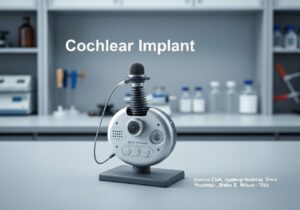
Sensory restoration has had amazing breakthroughs. Take cochlear implants as an example. By 2019, there were 736,900 people using them around the world. They help people hear by skipping damaged parts of the ear. They then make the hearing nerve active, letting people hear again.
Also, efforts are on to help those who can’t see well. Teams are testing new visual implants that could let people see again. Already, more than 20 teams are seeing good results in early trials. This shows a big promise for the future.
| Sensory Device | ユーザー数 | Key Advantage |
|---|---|---|
| Cochlear Implants | 736,900 | Restores hearing by stimulating the auditory nerve |
| Retinal Implants | In Phase 1 Trials | Potential to restore vision for visually impaired individuals |
Improving Motor Functions
Neuroprosthetics are also boosting how people move. Brain-computer interfaces (BCIs) and deep brain stimulation (DBS) are big news. They help people with movement problems or brain disorders like Parkinson’s. DBS sends small electric shocks to the brain and is mainly used for Parkinson’s. It has a low risk of problems from the surgery.
BCIs read brain signals and turn them into actions. They can move robotic arms or control computer pointers. Though they’re slow right now, research is working to make them faster. This could mean big things for how we interact with machines.
People using these devices are really happy with them. This shows they work well. Combining surgery for the nerves, adding new senses, and improving movement is very exciting. It opens new doors in medicine and can change lives. It makes us wonder what we’ll be able to do next.
Sensory Augmentation and Replacement
Neural engineering has brought us exciting sensory augmentation technologies. These include artificial vision devices and hearing implants. They greatly improve the lives of people with sensory impairments. This lets them experience the world in new ways.

Artificial Vision
Artificial vision is changing lives by offering new ways to see. The BrainPort device is a great example. It lets blind people distinguish objects with limited vision. It uses a small grid to send signals to the tongue. This creates a kind of visual impression.
Another creative approach is the Forehead Retina System. It changes video into touch sensations on the forehead. This method helps users “see” visual info with touch.
Hearing Implants
Hearing implants are making a big impact worldwide. About 5% of people have severe hearing loss. The Neosensory Buzz wristband uses vibrations to convey sounds. It helps deaf people sense the environment through touch.
Another cool device by Novich and Eagleman changes sound into touch sensations. Worn under the shirt, it helps users feel environmental sounds. Even with fewer motors, these devices effectively compress and transmit sound info.
| Device | 関数 | 応用 |
|---|---|---|
| BrainPort | Tactile visual substitution | Visual impairment |
| Forehead Retina System | Convert video stream to touch | Visual impairment |
| Neosensory Buzz | Transfer sound through vibrations | Hearing impairment |
| Sound-to-touch device (Novich and Eagleman) | Convert sound to touch | Hearing impairment |
Bi-directional Links for Future Applications
Bi-directional neural links are a huge step forward in neural engineering. They allow two-way interaction between neural devices and the brain. This goes beyond simple one-way talks. It opens the door to more complex systems that could change how humans and machines work together.
In a recent study, researchers used bi-directional BCI to process brain waves with ultrasound. This work involved 25 people. It showed big improvements in BCI communication. People could spell out words like “Carnegie Mellon” using a BCI speller. This shows how focused ultrasound can boost BCI performance.
These advances are key for linking information to and from the brain. A study in Nature Communications found that noninvasive ultrasound can improve EEG-based BCIs. These technologies have exciting possibilities. They could help restore sight and hearing, control robots, and even enable direct communication.
The BRAIN Initiative has funded over 60 projects related to ultrasound. Bin He’s group is noted for making smaller ultrasound devices. These can work better with EEG-based BCIs.
“Damage to the central nervous system affects at least 2 million people per year (Rao and Winter, 2009),” highlighting the urgent need for advanced neural technologies.
Current research on neural links also looks at making them last longer and work better with the body. New materials and designs have helped Multi-electrode arrays (MEAs) last much longer. These advances are crucial. They ensure neuroprosthetic devices and communication aids work well for a long time.
| カテゴリ | 応用 | 例 |
|---|---|---|
| Neuroprosthetic Systems | Restoration | Target innervations for bladder control |
| Neurorepair Systems | Rehabilitation | Use of intelligent wheelchairs for individuals with locked-in syndrome (LIS) |
| Neurotherapeutic Systems | Pain Management | Normal stimulation for pain management |
By using both recording and stimulation, bi-directional neural interfaces can change many fields. This includes neuroprosthetics, neurorepair, and pain relief. Experiments already show their potential. For example, they can control wrist movement in monkeys and provide sensory feedback. This hints at a bright future for these advanced neural interfaces.
Integration of Artificial Intelligence and Neural Engineering
Joining AI with neural engineering is changing the game for neural devices. It’s making them smarter in analyzing data and functions. This is especially true for creating better noninvasive brain-computer interfaces (BCIs). AI in this field blends electrical engineering, computer science, biology, and medicine. It aims for complex interactions with the nervous system.
Machine Learning Algorithms
Machine learning is taking ニューロテクノロジー to new heights. It lets neural devices be more precise and adaptable. These algorithms handle huge amounts of data. They spot patterns and forecast results that were once impossible to achieve.
- Enhances diagnostic performance
- Recommends personalized treatment strategies
- Enables predictive healthcare
- Improves robot control and decision-making
Deep Learning Techniques
Deep learning offers strong tools for diving into complex neural data. With layered networks, these methods boost understanding and connection with the nervous system. This means a lot for:
- Advanced neuroprosthetics to aid individuals with impaired nervous systems
- Refining BCIs for more seamless thought-to-action controls
- Optimizing deep brain stimulation (DBS) treatments
| 応用 | インパクト |
|---|---|
| Advanced Neuroprosthetics | Enhanced sensory and motor function |
| 脳コンピューターインターフェース | Improved user control and interaction |
| Deep Brain Stimulation | Effective treatment for Parkinson’s and epilepsy |
By adding AI to neural engineering, scientists are breaking new ground. They’re merging neuroscience and tech. This could make neural devices better understand us, work more smoothly, and be more helpful.
Risks and Challenges in Neural Engineering
Neural engineering faces many challenges, from ethical worries to technical hurdles. These challenges not only show the risks in neural engineering. They also show how hard it is to make these technologies safe and work well.
Biomedical Engineering Challenges
One big challenge in biomedical engineering is creating devices that are both precise and reliable. The University of Washington’s BioRobotics Lab is working on brain stimulators to help with motor problems. But, these devices need surgery for battery changes, making the need for better devices clear.
Brain-Computer Interfaces (BCIs) have their own challenges too. They let people with paralysis move prosthetics with their thoughts. Yet, they collect sensitive info about the user’s mind and feelings. This brings up ethical issues about identity, privacy, and who is responsible.
Technical Barriers
Technical obstacles are tough as well. Understanding neural data needs complicated algorithms and lots of computer power. The University of Washington is working on a BCI that lets users control their neurostimulation. This could reduce the surgery needs, showing the difficulty in making devices that users can control.
The long-term care of neural devices is also a big issue. People in these studies need lots of follow-up care and device upkeep. There are ethical problems in making sure people know what they’re signing up for and meeting their long-term needs. With no clear rules on who should take care of these needs after trials, careful planning is essential. Researchers, funders, and makers all need to think this through.
Ethical and Societal Implications
Neural engineering is transforming medicine and tech. It’s key to look into its ethical and societal effects. Ensuring equitable development needs focus on ethics and regulations.
Privacy Concerns
Privacy is a big worry with neural tech like BCIs. They handle sensitive info, risking data breaches. Questions about who owns and can use this data arise.
To protect neural data, strong policies are needed. Tight rules can keep personal info safe from misuse and unauthorized access.
Regulatory Considerations
Neural tech’s fast growth demands strict regulations for ethics and safety. Agencies like the FDA play a key role in this.
Regulations should cover device approval, monitoring, and checking for side effects. We must ensure innovation is safe and privacy is protected, benefiting everyone fairly.
Also, inclusivity in research is crucial. It’s important to fix the lack of diversity, like the low numbers of Black scientists in biomedicine.
By focusing on these rules, we can support neural engineering’s ethical advance. It ensures people’s well-being and privacy are safeguarded.
Future Possibilities in Neural Engineering
The future of neural engineering holds great promise. It features emerging tech that could lead to breakthroughs in medicine and technology. Researchers are working on new interfaces and treatments. They aim to close the gap between humans and machines.
新興技術
Companies like Neuralink, Kernel, and Galvani Bioelectronics are at the forefront. They’re improving brain repair and brain-machine interfaces (BMIs). This is key as Europe faces a high rate of neurological disorders.
Meanwhile, Medtronic and Boston Scientific Neuromodulation Corp. focus on treatments for epilepsy, Parkinson’s disease, chronic pain, and stroke. These developments are hopeful for managing conditions like dementia and migraine.
Potential Breakthroughs
About 200,000 people globally have neurotechnology in their brains. These devices could enhance cognition, manage disabilities, and treat chronic pain. Neuralink, for example, plans to significantly expand its team.
The U.S. leads in brain stimulation patents. This highlights its key role in upcoming advancements. The purchase of CTRL-labs by Facebook in 2019 shows the growing interest from big tech companies.
Here’s a brief look at the main players and their focus in the neural engineering field:
| 会社 | 重点分野 |
|---|---|
| Medtronic | Neuropathy Devices |
| Boston Scientific Neuromodulation Corp. | Devices for Epilepsy and Chronic Pain |
| Neuralink | Brain-Machine Interfaces |
| Kernel | Brain Repair Technologies |
| Galvani Bioelectronics | Neurological Disorder Solutions |
| CTRL-labs | Neural Interfaces |
The neural engineering field is just starting but has huge potential for growth and innovation. Exciting technology is on the horizon. It promises to blend humans and machines in groundbreaking ways.
Neural Engineering in Everyday Life
Neural engineering brings exciting changes to our daily lives, making things easier and more inclusive. It’s growing fast, introducing useful tools for everyday use and helping people access new technologies.
Consumer Applications
Neural tech is becoming a part of our daily lives with many cool uses. It helps connect our thoughts directly with machines. For example, brain-computer interfaces let us control gadgets or smart homes just by thinking about it. This shows how well neural engineering is blending into our everyday items.
Accessibility Enhancements
For people with disabilities, neural engineering is a game-changer. It brings life-changing tools like cochlear implants and advanced limb replacements. Also, new ultrasound uses are helping fight brain cancer and other serious diseases. As these technologies advance, they promise a more inclusive world for everyone.
| Research Area | 集中 |
|---|---|
| Sensory Physiology | Studies on neural circuits and cerebral cortex processing |
| 神経補綴 | Development of cochlear and vestibular implants |
| Therapeutic Ultrasound | Applications addressing brain cancer and CNS diseases |
| Digital 信号処理 | Enhancement for speech and audio systems for the hearing impaired |
結論
Neural engineering links technology with neuroscience. It offers new ways to understand how our brains work and to improve health treatments. By using computers and math, it can manage big data from the brain’s complex activities. This summary shows how the field can change lives by finding problems in cells or helping paralyzed people interact with the world.
It has big potential for diseases like amyotrophic lateral sclerosis (ALS), where many neurons are lost before we even notice symptoms. Also, techniques like subdural electrode recordings make it easier and safer to pick up brain signals. This could help treat many conditions more accurately.
The future of neurotechnology looks bright, thanks to major conferences that help the field grow. Since the first International IEEE EMBS Neural Engineering Conference in 2003, there’s been a lot of progress and collaboration. These meetings bring together experts to share ideas, leading to breakthroughs that combine neural science with Artificial Intelligence. Neural engineering might soon change medicine, boost human abilities, and deepen our brain knowledge.
よくある質問
神経工学とは何ですか?
神経工学は、神経科学と工学が融合する分野です。それは、私たちの脳の働きをより深く理解し、研究するための技術開発を目的としています。これらの技術は、生物学、コンピュータ科学、電気工学の知見を活用しています。
ニューラルコーディングとは何ですか?
神経符号化とは、脳細胞がどのように情報伝達を行うかに関するものです。これは神経工学において非常に重要な概念です。神経符号化を理解することで、研究者は私たちの脳が周囲の世界をどのように解釈するのかを知ることができます。
脳コンピューターインターフェース(BCI)とは何ですか?
BCI(脳コンピューターインターフェース)は、脳と機械が直接対話することを可能にします。思考を動作に移すことができ、身体を動かす必要はありません。つまり、考えるだけでコンピューターや義肢を操作できるのです。
非侵襲型、侵襲型、低侵襲型のBCIの違いは何ですか?
非侵襲型BCIは体内に挿入しません。皮膚に装着したセンサーで脳活動を読み取ります。侵襲型BCIは、より鮮明な信号を得るために脳に直接挿入されます。低侵襲型BCIは、その中間的な選択肢です。本格的な手術よりも負担が少ないのが特徴です。
深部脳刺激療法(DBS)はどのように機能するのですか?
DBS(脳深部刺激療法)は、脳内に微小な電極を埋め込む治療法です。これらの電極は脳の特定の領域を刺激し、脳細胞間の情報伝達を調整することで、パーキンソン病などの症状の管理に役立ちます。
経頭蓋集束超音波(tFUS)とは何ですか?
tFUSは音波を用いて脳活動を安全に変化させる治療法です。手術を伴わずに脳疾患を治療する新しい方法であり、非侵襲的な治療法として有望視されています。
神経工学の医療分野への応用例にはどのようなものがありますか?
神経工学は、DBS(脳深部刺激療法)や詳細な脳スキャンなどの新しい診断法を用いて神経系の問題に取り組みます。また、神経インターフェースを用いたリハビリテーションにも役立ちます。
ウェアラブル神経デバイスとは何ですか?
脳波計ヘッドセットのようなウェアラブルデバイスは、脳の働きをリアルタイムで追跡します。これにより、毎日の脳の健康状態を簡単にモニタリングできます。
神経補綴とは何ですか?
神経補綴技術は、障害を持つ人々が感覚や運動能力を取り戻したり、向上させたりするのに役立つ。新しい素材や学習アルゴリズムを用いることで、自立性や生活の質を高める。
人工視覚は神経工学においてどのように利用されているのか?
人工視覚は、視力の弱い人々を助ける技術です。テクノロジーを用いて「見る」方法を提供することで、周囲の環境とのより良い関わり方を可能にします。
神経工学において、AIはどのような役割を果たすのか?
AIは、神経デバイスをよりスマートで適応性の高いものにすることで、その性能を向上させます。AIはデータ分析能力を高めることで、非侵襲型BCI(脳コンピューターインターフェース)をはじめとする様々な技術の有効性を高めます。
神経工学において直面する課題にはどのようなものがありますか?
課題としては、倫理的な懸念や複雑な脳データの理解などが挙げられる。また、機器の精度を極めて高くする必要もある。さらに、安全性やこれらの機器の長期的な影響についても考慮しなければならない。
神経工学にはどのような倫理的・社会的懸念が伴うのか?
プライバシーや神経データの利用方法に関する懸念があります。人々を保護し、テクノロジーを倫理的に利用するために、厳格なルールを設けることが重要です。
神経工学にはどのような将来性があるのか?
未来には、健康とテクノロジーの分野で大きな発見につながる可能性を秘めた、刺激的な技術が数多く存在する。さらなる研究によって、高度な医療機器や治療法が開発されるだろう。
神経工学は日常生活にどのような影響を与えているのか?
神経工学は、アプリやアクセシビリティツールを通じて私たちの日常生活に浸透しつつあります。BCI(脳コンピューターインターフェース)の体験を向上させ、障がいのある方々を大きく支援します。
神経工学に関する外部リンク
国際規格
(リンクにカーソルを合わせると、コンテンツの説明が表示されます)
用語集
Brain-Computer Interface (BCI): 脳と外部機器との直接通信を可能にするシステムであり、神経活動を通してテクノロジーを制御することを可能にする。通常、信号の取得、処理、そして補助機器や神経補綴装置などのアプリケーション向けのコマンドへの変換が含まれる。
Computed Tomography (CT): X線とコンピュータ処理を用いて人体の断面画像を生成する医用画像技術であり、内部構造や組織の詳細な可視化を可能にする。2次元データから3次元表現を提供することで、診断能力を向上させる。
Food and Drug Administration (FDA): a federal agency of the United States Department of Health and Human Services responsible for regulating food safety, pharmaceuticals, medical devices, cosmetics, and tobacco products to ensure public health and safety through scientific evaluation and enforcement of compliance standards.
Institute of Electrical and Electronics Engineers (IEEE): 電気工学、電子工学、コンピュータ科学、および関連分野における技術の発展を、出版物、会議、標準規格策定などを通じて推進する専門家団体。世界中の専門家や研究者間のイノベーションと協力を促進します。
Robotic Process Automation (RPA): ソフトウェアロボットを用いてビジネスプロセスにおける反復的でルールに基づいたタスクを自動化する技術であり、デジタルシステムと人間のやり取りを模倣することで、効率性、精度、生産性の向上を可能にする。
Technological Readiness Levels (TRL): 技術の成熟度を評価するために使用される尺度で、基礎研究開発から本格的な展開までを網羅し、通常は1(概念)から9(運用)までの9段階で分類され、技術開発プロセスにおける評価と意思決定を容易にする。