Neural engineering is a field where neuroscience meets engineering. It aims to create technologies that communicate or improve brain function. By combining biology, computer science, and electrical engineering, it allows us to connect with the brain. This helps in finding new ways to diagnose and treat brain issues.
قطاعات مثل أجهزة الدماغ و واجهات الدماغ والحاسوب are growing fast. This growth comes from more older people and newer, easier medical procedures. The University of Illinois Urbana-Champaign offers an online talk for new students. It covers الهندسة الحيوية, Neural Engineering, and Computer Science + Bioengineering. The talk highlights how brain technology and interaction are changing الرعاية الصحية.
النقاط الرئيسية
- تدمج الهندسة العصبية بين علم الأعصاب والهندسة لتطوير تقنيات تعزيز الدماغ.
- تؤدي زيادة الطلب على الأجهزة العصبية والإجراءات طفيفة التوغل إلى زيادة نمو الصناعة.
- تركز جامعة إلينوي أوربانا شامبين على الهندسة العصبية في برامجها متعددة التخصصات.
- تعد واجهات الدماغ والحاسوب في طليعة التطورات في مجال الهندسة العصبية.
- تلعب الأنظمة العصبية دوراً هاماً في مستقبل التشخيص والعلاجات الطبية.
مقدمة في الهندسة العصبية
تعد الهندسة العصبية في طليعة الإنجازات الطبية الحيوية. فهي تجمع بين علم الأعصاب والهندسة. الهدف هو التفاعل مع الجهاز العصبي، وتحسين قدرات الإنسان وإصلاح المشاكل العصبية. معرفة أساسيات الهندسة العصبية هو المفتاح لفهم تأثيرها الكبير على الطب والتكنولوجيا.
إن دماغ الإنسان معقد، حيث يزن حوالي ثلاثة أرطال ويضم حوالي 86 مليار خلية عصبية، بالإضافة إلى العديد من الخلايا الدبقية. هذه الشبكة ضرورية للإدراك، وهو ما تسعى الهندسة العصبية إلى تعزيزه. إن intro to neuroengineering يوضح مبادئه الرائدة.
يحتوي دماغ الإنسان البالغ على حوالي 86 مليار خلية عصبية وتريليونات من المشابك العصبية، مما يجعله نقطة محورية للدراسة في الهندسة العصبية.
يبحث الخبراء في الهندسة العصبية أيضًا عن طرق لعلاج مشاكل الدماغ مثل السكتة الدماغية أو إصابة العمود الفقري أو الصرع. ويهدفون إلى تعزيز وظائف الدماغ مثل الذاكرة والانتباه. ولكن، يثير عملهم أسئلة خطيرة حول الخصوصية والأخلاقيات والآثار المترتبة على المجتمع.
أسس الهندسة العصبية
The field of neural engineering is fascinating. It links our nervous system with artificial devices. It leans on neural coding, synaptic plasticity, and brain-computer interfaces (مؤشرات BCI).
الترميز العصبي
يُعنى الترميز العصبي بكيفية استخدام الخلايا العصبية للنشاط الكهربائي لمعالجة المعلومات. وهو أمر بالغ الأهمية لفهم كيفية تواصل الدماغ ومعالجته للإشارات. وقد اكتشف الباحثون كيف ترتبط الأنماط المختلفة بالأحاسيس أو الأفعال.
هذه المعرفة ضرورية لتطوير BCI التكنولوجيا. فهي تساعد في جعل الأطراف الاصطناعية العصبية أكثر فعالية.
اللدونة المشبكية
تسمح اللدونة المشبكية للمشابك بتغيير قوتها بناءً على النشاط. وهي أساسية للتعلم والذاكرة، إذ تُحسّن دوائر الدماغ بمرور الوقت.
في الهندسة العصبية، يساعد هذا المفهوم في تحسين الشبكات الاصطناعية. كما أنه يجعل الأجهزة العصبية تعمل بشكل أفضل مع أجسامنا.
واجهات الدماغ والحاسوب (BCIs)

إن BCIs هي أدوات مذهلة تربط أدمغتنا مباشرة بالأجهزة. وهي تقوم بذلك عن طريق تحويل إشارات الدماغ إلى أوامر. وهذا يسمح للناس بالتحكم في أشياء مثل أجهزة الكمبيوتر أو الأطراف الصناعية بعقولهم.
هذه التقنية ستغير قواعد اللعبة بالنسبة للأشخاص الذين لا يستطيعون الحركة بسهولة. كما أنها تفتح طرقاً جديدة لتعزيز القدرات البشرية.
يجمع علم هندسة الأعصاب بين معارف من مجالات عديدة، كعلم الأعصاب الحاسوبي والهندسة الكهربائية. وتتيح لنا خبرتنا المتنامية في الترميز العصبي، واللدونة المشبكية، وتقنية واجهة الدماغ والحاسوب، إنشاء جسور جديدة تربط أدمغتنا بعالم الأجهزة.
| الحقل | ركز | أمثلة |
|---|---|---|
| الترميز العصبي | تمثيل المعلومات في الخلايا العصبية | Deciphering sensory and motor signals |
| اللدونة المشبكية | التغيرات التكيفية في قوة المشبك العصبي | التعلم والذاكرة |
| واجهات الدماغ والحاسوب (BCIs) | التواصل المباشر بين الدماغ والجهاز | التحكم في الأطراف الاصطناعية والتقنيات المساعدة |
واجهات الدماغ والحاسوب: التواصل المباشر مع الدماغ
Brain-Computer Interfaces, or BCIs, have changed how we think about the brain talking to machines. Now, people can control computers or artificial limbs just by using their brain waves. These amazing tools are divided into three types of brain-computer interfaces: noninvasive, invasive, and minimally invasive BCIs.
مؤشرات التواصل القاعدي القاعدي غير الباضع
Noninvasive BCIs work without surgery. They use special أجهزة الاستشعار on the outside to pick up brain signals. The most widely used technique is EEG, which records the brain’s electric vibes from the scalp. Hans Berger made a big leap in this field 80 years ago with his study of the alpha rhythm.
ومنذ ذلك الحين، ظهرت اختراعات مثل جهاز التهجئة P300. وهي تتيح للمستخدمين اختيار الحروف على الشاشة بمجرد التفكير. يلعب تحليل إيقاع الدماغ وأنماط استجابته دوراً كبيراً في جعل هذه التقنيات تعمل.
مؤشرات قاع الباطنة الغازية
تتطلب مقياس تخطيط كهربية الدماغ الباضع وضع أقطاب كهربائية في الدماغ مباشرة. توفر هذه الطريقة إشارات أوضح ولكنها تنطوي على مخاطر. من خلال تدريب الدماغ، استخدم الباحثون هذه التقنية لإعطاء قدرات جديدة لمن يعانون من قيود جسدية خطيرة. منذ سبعينيات القرن الماضي، شهدنا تقدماً كبيراً، بما في ذلك استخدام إشارات الدماغ لتشغيل الأدوات.
مؤشرات قصور القلب القاعدي الباضع بالحد الأدنى من التدخل الجراحي
Minimally invasive BCIs are less harsh than fully invasive ones but offer better signals than noninvasive types. They use advanced techniques to place devices inside the brain with less risk. With these tools, people can do things like use a computer, send emails, or move robotic arms just by thinking.
| نوع BCI | الطرق/الأدوات | المزايا | العيوب |
|---|---|---|---|
| غير جراحي | تخطيط كهربية الدماغ | سهولة الاقتناء، بدون جراحة | وضوح إشارة أقل |
| الغازية | الأقطاب الكهربية الدقيقة، تخطيط كهربية القلب الكهربائي الكهربائي | وضوح إشارة عالية الوضوح | يتطلب جراحة، ومخاطر محتملة |
| التدخل الجراحي البسيط | Stereotactic depth macroelectrodes, intracortical microarrays | التوازن بين الوضوح والتوغل | أقل رسوخًا من الطرق الأخرى |
تقنيات التحفيز العصبي
لقد غيرت تقنيات التحفيز العصبي طريقة علاجنا للمشاكل العصبية. فهي تجلب خيارات جديدة للعلاج والبحث. ومن بين هذه التقنيات، يبرز التحفيز العميق للدماغ (DBS) والموجات فوق الصوتية المركزة عبر الجمجمة (tFUS). يستخدمان طرقاً جديدة لضبط نشاط الدماغ وتخفيف أعراض الأمراض المختلفة.
التحفيز العميق للدماغ (DBS)
DBS technology works by placing electrodes in the brain. These help control abnormal brain activity. It’s helpful for Parkinson’s disease and essential tremor. DBS targets treatment accurately, reducing bad symptoms and bettering life quality.

Wireless and battery-free implants introduced on April 27, 2023, are big advancements. They offer constant brain activity اللائحة without regular surgeries or changing batteries. This improves patient comfort and the device’s life.
الموجات فوق الصوتية المركزة عبر الجمجمة (tFUS)
يُعد تقنية tFUS خطوة كبيرة في التحفيز العصبي غير الجراحي. وهو يستهدف مناطق الدماغ بالموجات فوق الصوتية. وهذا لا يتطلب جراحة. إنه خيار جيد للمرضى الذين يفضلون عدم الخضوع لإجراءات جراحية.
لا يقتصر دور تقنية tFUS على تعديل دوائر الدماغ فقط. بل يمكنه علاج العديد من المشاكل العصبية. على سبيل المثال، يعمل على علاج الاضطرابات النفسية والألم المزمن وتوصيل الأدوية مباشرة إلى الدماغ.
DBS and tFUS offer two unique ways to help advance neurostimulation methods. As the demand for these devices grows, seen from 2013 to 2024, they continue to improve treatment for brain conditions. They offer new hope to millions suffering from these complex issues.
| تكنولوجيا | صفات | التطبيقات |
|---|---|---|
| DBS Technology | Implanted electrodes, precise electrical stimulation | Parkinson’s disease, essential tremor, dystonia |
| tFUS Applications | Noninvasive, focused ultrasound waves | Chronic pain, psychiatric disorders, drug delivery |
Applications of Neural Engineering in Medicine
Medical applications of neural engineering are changing how we understand and treat brain disorders. These applications combine advanced technology and medical science. They bring new ways to diagnose and treat brain problems, improving patient outcomes.
Treatment of Neurological Disorders
Neuromodulation is a key area in neural engineering. Neuromodulator devices help manage symptoms of Parkinson’s disease, dystonia, tremors, Tourette’s, chronic pain, OCD, severe depression, and epilepsy. Treating brain disorders with techniques like deep brain stimulation (DBS) and electrical stimulation can change neural activity. This helps restore normal brain functions.
Research is also working on better electrode arrays and data systems. This allows for accurate brain area recordings and stimulations. Such advances are vital for treatments that aim to bring back motor skills and other brain functions.
Advanced Neuroimaging Techniques
Neuroimaging techniques have vastly improved our ability to study brain activity. New imaging tech provides a clear picture of the brain. This helps doctors diagnose and assess different brain conditions. Using these methods alongside neural engineering lets experts collect detailed data. This data is essential for personalized treatments.
High-quality neuroimaging is key to understanding the brain’s structure. It also helps monitor treatment progress. This level of detail in neuroimaging advancements is crucial for managing brain disorders. It leads to new treatment methods.
| Neural Engineering Technique | طلب | تأثير |
|---|---|---|
| التحفيز العميق للدماغ (DBS) | Treating Parkinson’s disease, tremors, dystonia | Alters neural activity to alleviate symptoms |
| Electrical Stimulation | Restoration of motor functions, bladder control | Stimulates neural pathways to regain function |
| Neuroimaging Techniques | Brain mapping, diagnostic evaluation | High-resolution data for detailed brain analysis |
These outstanding techniques show the strong potential of neural engineering in medicine. They are key to diagnosing, treating, and understanding complex brain disorders.
Wearable Neural Engineering Devices
The creation of يمكن ارتداؤها neural engineering gadgets has changed how we monitor the brain. Now, devices like EEG headsets and smart glasses let us see brain activity as it happens. They catch the brain’s electrical signals in a way that doesn’t hurt the person wearing them. This is key for medical and everyday uses.
EEG headsets give us a 3D view of brain activity. This is big because they don’t have to cut into the person. So, many people, including researchers and those curious about brain health, use them. They can look at brain activity without any surgery, setting them apart in the world of brain-computer links (BCIs).

Thanks to better AI and machine learning, these wearable neuro devices are getting smarter. They can now read brain signals much better. This means they can tell weak signals from noise. Now, we can control computers with our minds. This opens doors in gaming, mental health, and making us more productive.
Institutions like جامعة كارنيجي ميلون are key to advancing these gadgets. Their work in the DARPA N3 program is super interesting. They’re exploring ways to use ultrasound and light to make these devices even better.
These gadgets are becoming easier to use, reaching more people. As they mix more with our everyday tech, they’ll change how we monitor health, train our brains, and boost our abilities.
In the end, wearable neuro devices are moving from just an idea to something we can use every day. They’re going to give us new ways to understand our brains. This tech is closing the gap between brain science and practical use.
Neuroprosthetics: Enhancing Human Capabilities
Neuroprosthetics are changing the game for human abilities. They mainly focus on improving how people see, hear, and move. These devices mix cutting-edge materials and smart learning. They give those with disabilities more freedom and a better life.

Restoring Sensory Functions
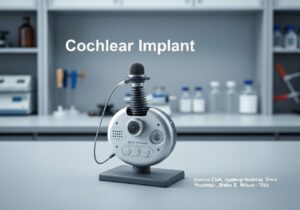
Sensory restoration has had amazing breakthroughs. Take cochlear implants as an example. By 2019, there were 736,900 people using them around the world. They help people hear by skipping damaged parts of the ear. They then make the hearing nerve active, letting people hear again.
Also, efforts are on to help those who can’t see well. Teams are testing new visual implants that could let people see again. Already, more than 20 teams are seeing good results in early trials. This shows a big promise for the future.
| Sensory Device | عدد المستخدمين | Key Advantage |
|---|---|---|
| Cochlear Implants | 736,900 | Restores hearing by stimulating the auditory nerve |
| Retinal Implants | In Phase 1 Trials | Potential to restore vision for visually impaired individuals |
Improving Motor Functions
Neuroprosthetics are also boosting how people move. Brain-computer interfaces (BCIs) and deep brain stimulation (DBS) are big news. They help people with movement problems or brain disorders like Parkinson’s. DBS sends small electric shocks to the brain and is mainly used for Parkinson’s. It has a low risk of problems from the surgery.
BCIs read brain signals and turn them into actions. They can move robotic arms or control computer pointers. Though they’re slow right now, research is working to make them faster. This could mean big things for how we interact with machines.
People using these devices are really happy with them. This shows they work well. Combining surgery for the nerves, adding new senses, and improving movement is very exciting. It opens new doors in medicine and can change lives. It makes us wonder what we’ll be able to do next.
Sensory Augmentation and Replacement
Neural engineering has brought us exciting sensory augmentation technologies. These include artificial vision devices and hearing implants. They greatly improve the lives of people with sensory impairments. This lets them experience the world in new ways.

Artificial Vision
Artificial vision is changing lives by offering new ways to see. The BrainPort device is a great example. It lets blind people distinguish objects with limited vision. It uses a small grid to send signals to the tongue. This creates a kind of visual impression.
Another creative approach is the Forehead Retina System. It changes video into touch sensations on the forehead. This method helps users “see” visual info with touch.
Hearing Implants
Hearing implants are making a big impact worldwide. About 5% of people have severe hearing loss. The Neosensory Buzz wristband uses vibrations to convey sounds. It helps deaf people sense the environment through touch.
Another cool device by Novich and Eagleman changes sound into touch sensations. Worn under the shirt, it helps users feel environmental sounds. Even with fewer motors, these devices effectively compress and transmit sound info.
| جهاز | وظيفة | طلب |
|---|---|---|
| BrainPort | Tactile visual substitution | Visual impairment |
| Forehead Retina System | Convert video stream to touch | Visual impairment |
| Neosensory Buzz | Transfer sound through vibrations | Hearing impairment |
| Sound-to-touch device (Novich and Eagleman) | Convert sound to touch | Hearing impairment |
Bi-directional Links for Future Applications
Bi-directional neural links are a huge step forward in neural engineering. They allow two-way interaction between neural devices and the brain. This goes beyond simple one-way talks. It opens the door to more complex systems that could change how humans and machines work together.
In a recent study, researchers used bi-directional BCI to process brain waves with ultrasound. This work involved 25 people. It showed big improvements in BCI communication. People could spell out words like “Carnegie Mellon” using a BCI speller. This shows how focused ultrasound can boost BCI performance.
These advances are key for linking information to and from the brain. A study in Nature Communications found that noninvasive ultrasound can improve EEG-based BCIs. These technologies have exciting possibilities. They could help restore sight and hearing, control robots, and even enable direct communication.
The BRAIN Initiative has funded over 60 projects related to ultrasound. Bin He’s group is noted for making smaller ultrasound devices. These can work better with EEG-based BCIs.
“Damage to the central nervous system affects at least 2 million people per year (Rao and Winter, 2009),” highlighting the urgent need for advanced neural technologies.
Current research on neural links also looks at making them last longer and work better with the body. New materials and designs have helped Multi-electrode arrays (MEAs) last much longer. These advances are crucial. They ensure neuroprosthetic devices and communication aids work well for a long time.
| فئة | طلب | مثال |
|---|---|---|
| Neuroprosthetic Systems | Restoration | Target innervations for bladder control |
| Neurorepair Systems | إعادة التأهيل | Use of intelligent wheelchairs for individuals with locked-in syndrome (LIS) |
| Neurotherapeutic Systems | إدارة الألم | Normal stimulation for pain management |
By using both recording and stimulation, bi-directional neural interfaces can change many fields. This includes neuroprosthetics, neurorepair, and pain relief. Experiments already show their potential. For example, they can control wrist movement in monkeys and provide sensory feedback. This hints at a bright future for these advanced neural interfaces.
Integration of Artificial Intelligence and Neural Engineering
Joining AI with neural engineering is changing the game for neural devices. It’s making them smarter in analyzing data and functions. This is especially true for creating better noninvasive brain-computer interfaces (BCIs). AI in this field blends electrical engineering, computer science, biology, and medicine. It aims for complex interactions with the nervous system.
Machine Learning Algorithms
Machine learning is taking التكنولوجيا العصبية to new heights. It lets neural devices be more precise and adaptable. These الخوارزميات handle huge amounts of data. They spot patterns and forecast results that were once impossible to achieve.
- Enhances diagnostic performance
- Recommends personalized treatment strategies
- Enables predictive healthcare
- Improves robot control and decision-making
Deep Learning Techniques
Deep learning offers strong tools for diving into complex neural data. With layered networks, these methods boost understanding and connection with the nervous system. This means a lot for:
- Advanced neuroprosthetics to aid individuals with impaired nervous systems
- Refining BCIs for more seamless thought-to-action controls
- Optimizing deep brain stimulation (DBS) treatments
| طلب | تأثير |
|---|---|
| Advanced Neuroprosthetics | Enhanced sensory and motor function |
| واجهات الدماغ والحاسوب | Improved user control and interaction |
| Deep Brain Stimulation | Effective treatment for Parkinson’s and epilepsy |
By adding AI to neural engineering, scientists are breaking new ground. They’re merging neuroscience and tech. This could make neural devices better understand us, work more smoothly, and be more helpful.
Risks and Challenges in Neural Engineering
Neural engineering faces many challenges, from ethical worries to technical hurdles. These challenges not only show the risks in neural engineering. They also show how hard it is to make these technologies safe and work well.
Biomedical Engineering Challenges
One big challenge in biomedical engineering is creating devices that are both precise and reliable. The University of Washington’s BioRobotics Lab is working on brain stimulators to help with motor problems. But, these devices need surgery for battery changes, making the need for better devices clear.
Brain-Computer Interfaces (BCIs) have their own challenges too. They let people with paralysis move prosthetics with their thoughts. Yet, they collect sensitive info about the user’s mind and feelings. This brings up ethical issues about identity, privacy, and who is responsible.
Technical Barriers
Technical obstacles are tough as well. Understanding neural data needs complicated algorithms and lots of computer power. The University of Washington is working on a BCI that lets users control their neurostimulation. This could reduce the surgery needs, showing the difficulty in making devices that users can control.
The long-term care of neural devices is also a big issue. People in these studies need lots of follow-up care and device upkeep. There are ethical problems in making sure people know what they’re signing up for and meeting their long-term needs. With no clear rules on who should take care of these needs after trials, careful planning is essential. Researchers, funders, and makers all need to think this through.
Ethical and Societal Implications
Neural engineering is transforming medicine and tech. It’s key to look into its ethical and societal effects. Ensuring equitable development needs focus on ethics and regulations.
المخاوف المتعلقة بالخصوصية
Privacy is a big worry with neural tech like BCIs. They handle sensitive info, risking data breaches. Questions about who owns and can use this data arise.
To protect neural data, strong policies are needed. Tight rules can keep personal info safe from misuse and unauthorized access.
Regulatory Considerations
Neural tech’s fast growth demands strict regulations for ethics and safety. Agencies like the FDA play a key role in this.
Regulations should cover device approval, monitoring, and checking for side effects. We must ensure innovation is safe and privacy is protected, benefiting everyone fairly.
Also, inclusivity in research is crucial. It’s important to fix the lack of diversity, like the low numbers of Black scientists in biomedicine.
By focusing on these rules, we can support neural engineering’s ethical advance. It ensures people’s well-being and privacy are safeguarded.
Future Possibilities in Neural Engineering
The future of neural engineering holds great promise. It features emerging tech that could lead to breakthroughs in medicine and technology. Researchers are working on new interfaces and treatments. They aim to close the gap between humans and machines.
التقنيات الناشئة
Companies like Neuralink, Kernel, and Galvani Bioelectronics are at the forefront. They’re improving brain repair and brain-machine interfaces (BMIs). This is key as Europe faces a high rate of neurological disorders.
Meanwhile, Medtronic and Boston Scientific Neuromodulation Corp. focus on treatments for epilepsy, Parkinson’s disease, chronic pain, and stroke. These developments are hopeful for managing conditions like dementia and migraine.
Potential Breakthroughs
About 200,000 people globally have neurotechnology in their brains. These devices could enhance cognition, manage disabilities, and treat chronic pain. Neuralink, for example, plans to significantly expand its team.
The U.S. leads in brain stimulation patents. This highlights its key role in upcoming advancements. The purchase of CTRL-labs by Facebook in 2019 shows the growing interest from big tech companies.
Here’s a brief look at the main players and their focus in the neural engineering field:
| شركة | مجال التركيز |
|---|---|
| مدترونيك | Neuropathy Devices |
| Boston Scientific Neuromodulation Corp. | Devices for Epilepsy and Chronic Pain |
| نيورالينينك | Brain-Machine Interfaces |
| Kernel | Brain Repair Technologies |
| Galvani Bioelectronics | Neurological Disorder Solutions |
| CTRL-labs | Neural Interfaces |
The neural engineering field is just starting but has huge potential for growth and innovation. Exciting technology is on the horizon. It promises to blend humans and machines in groundbreaking ways.
Neural Engineering in Everyday Life
Neural engineering brings exciting changes to our daily lives, making things easier and more inclusive. It’s growing fast, introducing useful tools for everyday use and helping people access التقنيات الجديدة.
Consumer Applications
Neural tech is becoming a part of our daily lives with many cool uses. It helps connect our thoughts directly with machines. For example, brain-computer interfaces let us control gadgets or smart homes just by thinking about it. This shows how well neural engineering is blending into our everyday items.
Accessibility Enhancements
For people with disabilities, neural engineering is a game-changer. It brings life-changing tools like cochlear implants and advanced limb replacements. Also, new ultrasound uses are helping fight brain cancer and other serious diseases. As these technologies advance, they promise a more inclusive world for everyone.
| Research Area | ركز |
|---|---|
| Sensory Physiology | Studies on neural circuits and cerebral cortex processing |
| الأجهزة التعويضية العصبية | Development of cochlear and vestibular implants |
| Therapeutic Ultrasound | Applications addressing brain cancer and CNS diseases |
| Digital معالجة الإشارات | Enhancement for speech and audio systems for the hearing impaired |
خاتمة
Neural engineering links technology with neuroscience. It offers new ways to understand how our brains work and to improve health treatments. By using computers and math, it can manage big data from the brain’s complex activities. This summary shows how the field can change lives by finding problems in cells or helping paralyzed people interact with the world.
It has big potential for diseases like amyotrophic lateral sclerosis (ALS), where many neurons are lost before we even notice symptoms. Also, techniques like subdural electrode recordings make it easier and safer to pick up brain signals. This could help treat many conditions more accurately.
The future of neurotechnology looks bright, thanks to major conferences that help the field grow. Since the first International IEEE EMBS Neural Engineering Conference in 2003, there’s been a lot of progress and collaboration. These meetings bring together experts to share ideas, leading to breakthroughs that combine neural science with Artificial Intelligence. Neural engineering might soon change medicine, boost human abilities, and deepen our brain knowledge.
التعليمات
ما هي الهندسة العصبية؟
الهندسة العصبية هي المكان الذي يلتقي فيه علم الأعصاب مع الهندسة. يتعلق الأمر بصنع تقنيات تساعد وتعلم المزيد عن كيفية عمل أدمغتنا. تستخدم هذه التقنيات أفكاراً من علم الأحياء وعلوم الكمبيوتر والهندسة الكهربائية.
ما هو الترميز العصبي؟
يُعنى الترميز العصبي بكيفية تواصل خلايا الدماغ، وهو عنصر أساسي في الهندسة العصبية. ويساعد فهمه الباحثين على معرفة كيف تُفسر أدمغتنا العالم من حولنا.
ما هي واجهات الدماغ والحاسوب (BCIs)؟
تتيح مؤشرات التواصل المستمر للدماغ التحدث مباشرة إلى الآلات. فهي تحول الأفكار إلى أفعال دون أن تتحرك. وهذا يعني أنه يمكنك التحكم في أجهزة الكمبيوتر أو الأطراف الصناعية بمجرد التفكير.
ما هي الفروق بين مؤشرات التواصل القاعدي القابل للتدخل الجراحي وغير الجراحي والجراحي الباضع؟
لا تدخل واجهات الدماغ والحاسوب غير الجراحية إلى الجسم، بل تستخدم مجسات على الجلد لقراءة نشاط الدماغ. أما واجهات الدماغ والحاسوب الجراحية فتُزرع مباشرة في الدماغ للحصول على إشارات أوضح. وتُعد واجهات الدماغ والحاسوب طفيفة التوغل خيارًا وسطًا، فهي أقل توغلاً من الجراحة الكاملة.
كيف يعمل التحفيز العميق للدماغ (DBS)؟
تضع أقطاباً كهربائية صغيرة جداً في الدماغ. تحفز هذه الأقطاب مناطق معينة. وهذا يساعد على التحكم في حالات مثل مرض باركنسون عن طريق تعديل كيفية تحدث خلايا الدماغ مع بعضها البعض.
ما هي الموجات فوق الصوتية المركزة عبر الجمجمة (tFUS)؟
يستخدم tFUS الموجات الصوتية لتغيير نشاط الدماغ بأمان. إنها طريقة جديدة لعلاج اضطرابات الدماغ دون جراحة. وهي طريقة واعدة للعلاج غير الجراحي.
ما هي بعض التطبيقات الطبية للهندسة العصبية؟
تعالج الهندسة العصبية المشاكل العصبية باستخدام التحفيز العميق للمخ والتشخيصات الجديدة مثل المسح التفصيلي للدماغ. كما تساعد في إعادة التأهيل باستخدام الواجهات العصبية.
ما هي الأجهزة العصبية القابلة للارتداء؟
تُتيح الأجهزة القابلة للارتداء، مثل سماعات تخطيط الدماغ الكهربائي، تتبع كيفية عمل دماغك في الوقت الفعلي، مما يُسهّل مراقبة صحة دماغك يوميًا.
ما هي الأطراف الصناعية العصبية؟
تساعد الأطراف الصناعية العصبية الأشخاص ذوي الإعاقة على استعادة أو تحسين حواسهم وحركتهم. وهي تستخدم مواد وخوارزميات تعلم جديدة لتعزيز الاستقلالية وجودة الحياة.
كيف تُستخدم الرؤية الاصطناعية في الهندسة العصبية؟
تساعد الرؤية الاصطناعية الأشخاص الذين لا يستطيعون الرؤية بشكل جيد. فهي تخلق لهم طريقة "للرؤية" باستخدام التكنولوجيا. وهذا يساعدهم على التفاعل بشكل أفضل مع محيطهم.
ما الدور الذي يلعبه الذكاء الاصطناعي في الهندسة العصبية؟
يعمل الذكاء الاصطناعي على تحسين الأجهزة العصبية بجعلها أكثر ذكاءً وقدرة على التكيف. يعمل على تحليل البيانات بشكل أفضل. وهذا يساعد أجهزة BCIs غير الغازية وغيرها من التقنيات على أن تكون أكثر فعالية.
ما هي بعض التحديات التي تواجه الهندسة العصبية؟
تشمل التحديات المخاوف الأخلاقية وفهم بيانات الدماغ المعقدة. هناك أيضاً الحاجة إلى جعل الأجهزة دقيقة للغاية. بالإضافة إلى ذلك، يجب أن نفكر في السلامة وتأثير هذه الأجهزة على المدى الطويل.
ما هي المخاوف الأخلاقية والمجتمعية المرتبطة بالهندسة العصبية؟
هناك مخاوف بشأن الخصوصية وكيفية استخدام البيانات العصبية. من المهم وجود قواعد قوية لحماية الأشخاص واستخدام التكنولوجيا بشكل أخلاقي.
ما هي الاحتمالات المستقبلية للهندسة العصبية؟
يحمل المستقبل تكنولوجيا مثيرة يمكن أن تؤدي إلى اكتشافات كبيرة في مجال الصحة والتكنولوجيا. سيؤدي المزيد من الأبحاث إلى أجهزة وعلاجات متقدمة.
كيف تؤثر الهندسة العصبية على الحياة اليومية؟
تشق الهندسة العصبية طريقها إلى حياتنا اليومية من خلال التطبيقات وأدوات إمكانية الوصول. فهي تقدم تجارب أفضل مع مؤشرات القدرة البيولوجية وتساعد الأشخاص ذوي الإعاقة بشكل كبير.
روابط خارجية عن الهندسة العصبية
المعايير الدولية
(حرك الرابط لرؤية وصفنا للمحتوى)
مسرد المصطلحات المستخدمة
Brain-Computer Interface (BCI): نظام يُمكّن من التواصل المباشر بين الدماغ والأجهزة الخارجية، مما يسمح بالتحكم في التكنولوجيا من خلال النشاط العصبي. يتضمن هذا عادةً التقاط الإشارات ومعالجتها وترجمتها إلى أوامر لتطبيقات مثل الأجهزة المساعدة أو الأطراف الاصطناعية العصبية.
Computed Tomography (CT): تقنية تصوير طبي تستخدم الأشعة السينية والمعالجة الحاسوبية لإنشاء صور مقطعية للجسم، مما يتيح تصورًا دقيقًا للهياكل والأنسجة الداخلية. تُعزز هذه التقنية قدرات التشخيص من خلال توفير صور ثلاثية الأبعاد من بيانات ثنائية الأبعاد.
Food and Drug Administration (FDA): وكالة اتحادية تابعة لوزارة الصحة والخدمات الإنسانية الأمريكية مسؤولة عن تنظيم سلامة الأغذية والأدوية والأجهزة الطبية ومستحضرات التجميل ومنتجات التبغ لضمان الصحة العامة والسلامة من خلال التقييم العلمي وإنفاذ معايير الامتثال.
Institute of Electrical and Electronics Engineers (IEEE): جمعية مهنية تُعنى بتطوير التكنولوجيا في الهندسة الكهربائية والإلكترونيات وعلوم الحاسوب والمجالات ذات الصلة من خلال المنشورات والمؤتمرات وتطوير المعايير. وتشجع الجمعية الابتكار والتعاون بين المهنيين والباحثين حول العالم.
Robotic Process Automation (RPA): تقنية تستخدم الروبوتات البرمجية لأتمتة المهام المتكررة والمبنية على القواعد في العمليات التجارية، مما يتيح زيادة الكفاءة والدقة والإنتاجية من خلال محاكاة التفاعلات البشرية مع الأنظمة الرقمية.
Technological Readiness Levels (TRL): مقياس يستخدم لتقييم نضج التكنولوجيا، ويتراوح من البحث والتطوير الأساسي إلى النشر الكامل، ويصنف عادة من 1 (المفهوم) إلى 9 (الاستخدام التشغيلي)، مما يسهل التقييم واتخاذ القرار في عمليات تطوير التكنولوجيا.