Neural engineering is a field where neuroscience meets engineering. It aims to create technologies that communicate or improve brain function. By combining biology, computer science, and electrical engineering, it allows us to connect with the brain. This helps in finding new ways to diagnose and treat brain issues.
Sectors like brain devices and interfaces cérebro-computador are growing fast. This growth comes from more older people and newer, easier medical procedures. The University of Illinois Urbana-Champaign offers an online talk for new students. It covers Bioengineering, Neural Engineering, and Computer Science + Bioengineering. The talk highlights how brain technology and interaction are changing healthcare.
Principais conclusões
- A engenharia neural combina neurociência e engenharia para desenvolver tecnologias que aprimoram o cérebro.
- A crescente demanda por dispositivos neurológicos e procedimentos minimamente invasivos impulsiona o crescimento do setor.
- A Universidade de Illinois Urbana-Champaign dá ênfase à engenharia neural em seus programas multidisciplinares.
- As interfaces cérebro-computador estão na vanguarda dos avanços da engenharia neural.
- Os sistemas neurais desempenham um papel significativo no futuro do diagnóstico e dos tratamentos médicos.
Introdução à Engenharia Neural
A engenharia neural está na vanguarda dos avanços biomédicos. Ela combina neurociência e engenharia. O objetivo é interagir com o sistema nervoso, aprimorando as capacidades humanas e corrigindo problemas neurológicos. Conhecer o fundamentos da engenharia neural É fundamental para entender seu grande impacto na medicina e na tecnologia.
O cérebro humano é complexo, pesando cerca de 1,4 kg e abrigando aproximadamente 86 bilhões de neurônios, além de muitas células da glia. Essa rede é crucial para a cognição, que a engenharia neural busca aprimorar. Um bom intro to neuroengineering Deixa claros os seus princípios inovadores.
O cérebro humano adulto contém cerca de 86 bilhões de neurônios e trilhões de sinapses, o que o torna um ponto focal de estudo na engenharia neural.
Especialistas em engenharia neural também estão buscando maneiras de tratar problemas cerebrais como AVC, lesão medular ou epilepsia. Seu objetivo é aprimorar funções cerebrais como memória e atenção. No entanto, seu trabalho levanta questões sérias sobre privacidade, ética e os impactos na sociedade.
Fundamentos da Engenharia Neural
The field of neural engineering is fascinating. It links our nervous system with artificial devices. It leans on neural coding, synaptic plasticity, and brain-computer interfaces (BCIs).
Codificação Neural
A codificação neural estuda como os neurônios usam a atividade elétrica para processar informações. É fundamental para entendermos como o cérebro se comunica e processa sinais. Pesquisadores descobriram como diferentes padrões estão ligados a sensações ou ações.
Esse conhecimento é essencial para o progresso. BCI tecnologia. Ela ajuda a tornar as próteses neurais mais eficazes.
Plasticidade Sináptica
A plasticidade sináptica permite que as sinapses alterem sua força com base na atividade. É fundamental para o aprendizado e a memória, permitindo que nossos circuitos cerebrais se aprimorem com o tempo.
Em engenharia neural, esse conceito ajuda a aprimorar redes artificiais. Também faz com que os dispositivos neurais funcionem melhor em conjunto com nossos corpos.
Interfaces cérebro-computador (BCIs)

As interfaces cérebro-computador (BCIs) são ferramentas incríveis que conectam nossos cérebros diretamente a dispositivos. Elas fazem isso transformando sinais cerebrais em comandos. Isso permite que as pessoas controlem coisas como computadores ou próteses com a mente.
Essa tecnologia é revolucionária para pessoas com dificuldades de locomoção. Ela também abre novas possibilidades para aprimorar as capacidades humanas.
A engenharia neural combina conhecimentos de diversas áreas, como neurociência computacional e engenharia elétrica. Nosso crescente conhecimento em codificação neural, plasticidade sináptica e tecnologia BCI nos permite criar novas pontes. Essas pontes conectam nossos cérebros ao mundo dos dispositivos.
| Campo | Foco | Exemplos |
|---|---|---|
| Codificação Neural | Representação da informação em neurônios | Decifrando os sentidos e motor sinais |
| Plasticidade Sináptica | Alterações adaptativas na força sináptica | Aprendizagem e memória |
| Interfaces cérebro-computador (BCIs) | Comunicação direta cérebro-dispositivo | Controle de próteses e tecnologias assistivas |
Brain-Computer Interfaces: Direct Communication with the Brain
Brain-Computer Interfaces, or BCIs, have changed how we think about the brain talking to machines. Now, people can control computers or artificial limbs just by using their brain waves. These amazing tools are divided into three types of brain-computer interfaces: noninvasive, invasive, and minimally invasive BCIs.
Noninvasive BCIs
Noninvasive BCIs work without surgery. They use special sensors on the outside to pick up brain signals. The most widely used technique is EEG, which records the brain’s electric vibes from the scalp. Hans Berger made a big leap in this field 80 years ago with his study of the alpha rhythm.
Since then, inventions like the P300 speller have emerged. It lets users pick letters on a screen just by thinking. Analyzing the brain’s rhythm and response patterns plays a big role in making these technologies work.
Invasive BCIs
Invasive BCIs require putting electrodes right into the brain. This method provides clearer signals but comes with risks. By training the brain, researchers have used this tech to give new abilities to those with serious physical limitations. Since the 1970s, we’ve seen major advances, including using brain signals to operate gadgets.
Minimally Invasive BCIs
Minimally invasive BCIs are less harsh than fully invasive ones but offer better signals than noninvasive types. They use advanced techniques to place devices inside the brain with less risk. With these tools, people can do things like use a computer, send emails, or move robotic arms just by thinking.
| Type of BCI | Methods/Tools | Vantagens | Desvantagens |
|---|---|---|---|
| Noninvasive | EEG | Ease of acquisition, no surgery | Lower signal clarity |
| Invasive | Microelectrodes, ECoG | High signal clarity | Requires surgery, potential risks |
| Minimally Invasive | Stereotactic depth macroelectrodes, intracortical microarrays | Balance between clarity and invasiveness | Less established than other methods |
Neurostimulation Technologies
Neurostimulation technologies have changed how we treat neurological issues. They bring new options for treatment and research. Among these, Deep Brain Stimulation (DBS) and Transcranial Focused Ultrasound (tFUS) stand out. They use new ways to adjust brain activity and ease symptoms of various diseases.
Deep Brain Stimulation (DBS)
DBS technology works by placing electrodes in the brain. These help control abnormal brain activity. It’s helpful for Parkinson’s disease and essential tremor. DBS targets treatment accurately, reducing bad symptoms and bettering life quality.

Wireless and battery-free implants introduced on April 27, 2023, are big advancements. They offer constant brain activity regulation without regular surgeries or changing batteries. This improves patient comfort and the device’s life.
Transcranial Focused Ultrasound (tFUS)
tFUS is a big step in noninvasive neurostimulation. It targets brain areas with ultrasound waves. This doesn’t require surgery. It’s a good choice for patients who prefer not to have invasive procedures.
tFUS doesn’t just adjust brain circuits. It can treat many neurological issues. For example, it works for psychiatric disorders, chronic pain, and delivering drugs directly to the brain.
DBS and tFUS offer two unique ways to help advance neurostimulation methods. As the demand for these devices grows, seen from 2013 to 2024, they continue to improve treatment for brain conditions. They offer new hope to millions suffering from these complex issues.
| Tecnologia | Características | Aplicações |
|---|---|---|
| DBS Technology | Implanted electrodes, precise electrical stimulation | Parkinson’s disease, essential tremor, dystonia |
| tFUS Applications | Noninvasive, focused ultrasound waves | Chronic pain, psychiatric disorders, drug delivery |
Applications of Neural Engineering in Medicine
Medical applications of neural engineering are changing how we understand and treat brain disorders. These applications combine advanced technology and medical science. They bring new ways to diagnose and treat brain problems, improving patient outcomes.
Treatment of Neurological Disorders
Neuromodulation is a key area in neural engineering. Neuromodulator devices help manage symptoms of Parkinson’s disease, dystonia, tremors, Tourette’s, chronic pain, OCD, severe depression, and epilepsy. Treating brain disorders with techniques like deep brain stimulation (DBS) and electrical stimulation can change neural activity. This helps restore normal brain functions.
Research is also working on better electrode arrays and data systems. This allows for accurate brain area recordings and stimulations. Such advances are vital for treatments that aim to bring back motor skills and other brain functions.
Advanced Neuroimaging Techniques
Neuroimaging techniques have vastly improved our ability to study brain activity. New imaging tech provides a clear picture of the brain. This helps doctors diagnose and assess different brain conditions. Using these methods alongside neural engineering lets experts collect detailed data. This data is essential for personalized treatments.
High-quality neuroimaging is key to understanding the brain’s structure. It also helps monitor treatment progress. This level of detail in neuroimaging advancements is crucial for managing brain disorders. It leads to new treatment methods.
| Neural Engineering Technique | Application | Impacto |
|---|---|---|
| Deep Brain Stimulation (DBS) | Treating Parkinson’s disease, tremors, dystonia | Alters neural activity to alleviate symptoms |
| Electrical Stimulation | Restoration of motor functions, bladder control | Stimulates neural pathways to regain function |
| Neuroimaging Techniques | Brain mapping, diagnostic evaluation | High-resolution data for detailed brain analysis |
These outstanding techniques show the strong potential of neural engineering in medicine. They are key to diagnosing, treating, and understanding complex brain disorders.
Wearable Neural Engineering Devices
The creation of vestível neural engineering gadgets has changed how we monitor the brain. Now, devices like EEG headsets and smart glasses let us see brain activity as it happens. They catch the brain’s electrical signals in a way that doesn’t hurt the person wearing them. This is key for medical and everyday uses.
EEG headsets give us a 3D view of brain activity. This is big because they don’t have to cut into the person. So, many people, including researchers and those curious about brain health, use them. They can look at brain activity without any surgery, setting them apart in the world of brain-computer links (BCIs).

Thanks to better AI and machine learning, these wearable neuro devices are getting smarter. They can now read brain signals much better. This means they can tell weak signals from noise. Now, we can control computers with our minds. This opens doors in gaming, mental health, and making us more productive.
Institutions like Universidade Carnegie Mellon are key to advancing these gadgets. Their work in the DARPA N3 program is super interesting. They’re exploring ways to use ultrasound and light to make these devices even better.
These gadgets are becoming easier to use, reaching more people. As they mix more with our everyday tech, they’ll change how we monitor health, train our brains, and boost our abilities.
In the end, wearable neuro devices are moving from just an idea to something we can use every day. They’re going to give us new ways to understand our brains. This tech is closing the gap between brain science and practical use.
Neuroprosthetics: Enhancing Human Capabilities
Neuroprosthetics are changing the game for human abilities. They mainly focus on improving how people see, hear, and move. These devices mix cutting-edge materials and smart learning. They give those with disabilities more freedom and a better life.

Restoring Sensory Functions
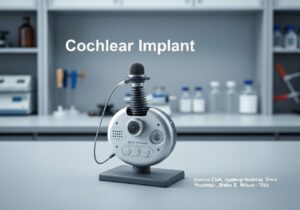
Sensory restoration has had amazing breakthroughs. Take cochlear implants as an example. By 2019, there were 736,900 people using them around the world. They help people hear by skipping damaged parts of the ear. They then make the hearing nerve active, letting people hear again.
Also, efforts are on to help those who can’t see well. Teams are testing new visual implants that could let people see again. Already, more than 20 teams are seeing good results in early trials. This shows a big promise for the future.
| Sensory Device | Número de usuários | Key Advantage |
|---|---|---|
| Cochlear Implants | 736,900 | Restores hearing by stimulating the auditory nerve |
| Retinal Implants | In Phase 1 Trials | Potential to restore vision for visually impaired individuals |
Improving Motor Functions
Neuroprosthetics are also boosting how people move. Brain-computer interfaces (BCIs) and deep brain stimulation (DBS) are big news. They help people with movement problems or brain disorders like Parkinson’s. DBS sends small electric shocks to the brain and is mainly used for Parkinson’s. It has a low risk of problems from the surgery.
BCIs read brain signals and turn them into actions. They can move robotic arms or control computer pointers. Though they’re slow right now, research is working to make them faster. This could mean big things for how we interact with machines.
People using these devices are really happy with them. This shows they work well. Combining surgery for the nerves, adding new senses, and improving movement is very exciting. It opens new doors in medicine and can change lives. It makes us wonder what we’ll be able to do next.
Sensory Augmentation and Replacement
Neural engineering has brought us exciting sensory augmentation technologies. These include artificial vision devices and hearing implants. They greatly improve the lives of people with sensory impairments. This lets them experience the world in new ways.

Artificial Vision
Artificial vision is changing lives by offering new ways to see. The BrainPort device is a great example. It lets blind people distinguish objects with limited vision. It uses a small grid to send signals to the tongue. This creates a kind of visual impression.
Another creative approach is the Forehead Retina System. It changes video into touch sensations on the forehead. This method helps users “see” visual info with touch.
Hearing Implants
Hearing implants are making a big impact worldwide. About 5% of people have severe hearing loss. The Neosensory Buzz wristband uses vibrations to convey sounds. It helps deaf people sense the environment through touch.
Another cool device by Novich and Eagleman changes sound into touch sensations. Worn under the shirt, it helps users feel environmental sounds. Even with fewer motors, these devices effectively compress and transmit sound info.
| Device | Função | Application |
|---|---|---|
| BrainPort | Tactile visual substitution | Visual impairment |
| Forehead Retina System | Convert video stream to touch | Visual impairment |
| Neosensory Buzz | Transfer sound through vibrations | Hearing impairment |
| Sound-to-touch device (Novich and Eagleman) | Convert sound to touch | Hearing impairment |
Bi-directional Links for Future Applications
Bi-directional neural links are a huge step forward in neural engineering. They allow two-way interaction between neural devices and the brain. This goes beyond simple one-way talks. It opens the door to more complex systems that could change how humans and machines work together.
In a recent study, researchers used bi-directional BCI to process brain waves with ultrasound. This work involved 25 people. It showed big improvements in BCI communication. People could spell out words like “Carnegie Mellon” using a BCI speller. This shows how focused ultrasound can boost BCI performance.
These advances are key for linking information to and from the brain. A study in Nature Communications found that noninvasive ultrasound can improve EEG-based BCIs. These technologies have exciting possibilities. They could help restore sight and hearing, control robots, and even enable direct communication.
The BRAIN Initiative has funded over 60 projects related to ultrasound. Bin He’s group is noted for making smaller ultrasound devices. These can work better with EEG-based BCIs.
“Damage to the central nervous system affects at least 2 million people per year (Rao and Winter, 2009),” highlighting the urgent need for advanced neural technologies.
Current research on neural links also looks at making them last longer and work better with the body. New materials and designs have helped Multi-electrode arrays (MEAs) last much longer. These advances are crucial. They ensure neuroprosthetic devices and communication aids work well for a long time.
| Categoria | Application | Exemplo |
|---|---|---|
| Neuroprosthetic Systems | Restoration | Target innervations for bladder control |
| Neurorepair Systems | Rehabilitation | Use of intelligent wheelchairs for individuals with locked-in syndrome (LIS) |
| Neurotherapeutic Systems | Pain Management | Normal stimulation for pain management |
By using both recording and stimulation, bi-directional neural interfaces can change many fields. This includes neuroprosthetics, neurorepair, and pain relief. Experiments already show their potential. For example, they can control wrist movement in monkeys and provide sensory feedback. This hints at a bright future for these advanced neural interfaces.
Integration of Artificial Intelligence and Neural Engineering
Joining AI with neural engineering is changing the game for neural devices. It’s making them smarter in analyzing data and functions. This is especially true for creating better noninvasive brain-computer interfaces (BCIs). AI in this field blends electrical engineering, computer science, biology, and medicine. It aims for complex interactions with the nervous system.
Machine Learning Algorithms
Machine learning is taking neurotecnologia to new heights. It lets neural devices be more precise and adaptable. These algorithms handle huge amounts of data. They spot patterns and forecast results that were once impossible to achieve.
- Enhances diagnostic performance
- Recommends personalized treatment strategies
- Enables predictive healthcare
- Improves robot control and decision-making
Deep Learning Techniques
Deep learning offers strong tools for diving into complex neural data. With layered networks, these methods boost understanding and connection with the nervous system. This means a lot for:
- Advanced neuroprosthetics to aid individuals with impaired nervous systems
- Refining BCIs for more seamless thought-to-action controls
- Optimizing deep brain stimulation (DBS) treatments
| Application | Impacto |
|---|---|
| Advanced Neuroprosthetics | Enhanced sensory and motor function |
| Interfaces cérebro-computador | Improved user control and interaction |
| Deep Brain Stimulation | Effective treatment for Parkinson’s and epilepsy |
By adding AI to neural engineering, scientists are breaking new ground. They’re merging neuroscience and tech. This could make neural devices better understand us, work more smoothly, and be more helpful.
Risks and Challenges in Neural Engineering
Neural engineering faces many challenges, from ethical worries to technical hurdles. These challenges not only show the risks in neural engineering. They also show how hard it is to make these technologies safe and work well.
Biomedical Engineering Challenges
One big challenge in biomedical engineering is creating devices that are both precise and reliable. The University of Washington’s BioRobotics Lab is working on brain stimulators to help with motor problems. But, these devices need surgery for battery changes, making the need for better devices clear.
Brain-Computer Interfaces (BCIs) have their own challenges too. They let people with paralysis move prosthetics with their thoughts. Yet, they collect sensitive info about the user’s mind and feelings. This brings up ethical issues about identity, privacy, and who is responsible.
Technical Barriers
Technical obstacles are tough as well. Understanding neural data needs complicated algorithms and lots of computer power. The University of Washington is working on a BCI that lets users control their neurostimulation. This could reduce the surgery needs, showing the difficulty in making devices that users can control.
The long-term care of neural devices is also a big issue. People in these studies need lots of follow-up care and device upkeep. There are ethical problems in making sure people know what they’re signing up for and meeting their long-term needs. With no clear rules on who should take care of these needs after trials, careful planning is essential. Researchers, funders, and makers all need to think this through.
Ethical and Societal Implications
Neural engineering is transforming medicine and tech. It’s key to look into its ethical and societal effects. Ensuring equitable development needs focus on ethics and regulations.
Privacy Concerns
Privacy is a big worry with neural tech like BCIs. They handle sensitive info, risking data breaches. Questions about who owns and can use this data arise.
To protect neural data, strong policies are needed. Tight rules can keep personal info safe from misuse and unauthorized access.
Regulatory Considerations
Neural tech’s fast growth demands strict regulations for ethics and safety. Agencies like the FDA play a key role in this.
Regulations should cover device approval, monitoring, and checking for side effects. We must ensure innovation is safe and privacy is protected, benefiting everyone fairly.
Also, inclusivity in research is crucial. It’s important to fix the lack of diversity, like the low numbers of Black scientists in biomedicine.
By focusing on these rules, we can support neural engineering’s ethical advance. It ensures people’s well-being and privacy are safeguarded.
Future Possibilities in Neural Engineering
The future of neural engineering holds great promise. It features emerging tech that could lead to breakthroughs in medicine and technology. Researchers are working on new interfaces and treatments. They aim to close the gap between humans and machines.
Emerging Technologies
Companies like Neuralink, Kernel, and Galvani Bioelectronics are at the forefront. They’re improving brain repair and brain-machine interfaces (BMIs). This is key as Europe faces a high rate of neurological disorders.
Meanwhile, Medtronic and Boston Scientific Neuromodulation Corp. focus on treatments for epilepsy, Parkinson’s disease, chronic pain, and stroke. These developments are hopeful for managing conditions like dementia and migraine.
Potential Breakthroughs
About 200,000 people globally have neurotechnology in their brains. These devices could enhance cognition, manage disabilities, and treat chronic pain. Neuralink, for example, plans to significantly expand its team.
The U.S. leads in brain stimulation patents. This highlights its key role in upcoming advancements. The purchase of CTRL-labs by Facebook in 2019 shows the growing interest from big tech companies.
Here’s a brief look at the main players and their focus in the neural engineering field:
| Company | Área de foco |
|---|---|
| Medtronic | Neuropathy Devices |
| Boston Scientific Neuromodulation Corp. | Devices for Epilepsy and Chronic Pain |
| Neuralink | Brain-Machine Interfaces |
| Kernel | Brain Repair Technologies |
| Galvani Bioelectronics | Neurological Disorder Solutions |
| CTRL-labs | Neural Interfaces |
The neural engineering field is just starting but has huge potential for growth and innovation. Exciting technology is on the horizon. It promises to blend humans and machines in groundbreaking ways.
Neural Engineering in Everyday Life
Neural engineering brings exciting changes to our daily lives, making things easier and more inclusive. It’s growing fast, introducing useful tools for everyday use and helping people access new technologies.
Consumer Applications
Neural tech is becoming a part of our daily lives with many cool uses. It helps connect our thoughts directly with machines. For example, brain-computer interfaces let us control gadgets or smart homes just by thinking about it. This shows how well neural engineering is blending into our everyday items.
Accessibility Enhancements
For people with disabilities, neural engineering is a game-changer. It brings life-changing tools like cochlear implants and advanced limb replacements. Also, new ultrasound uses are helping fight brain cancer and other serious diseases. As these technologies advance, they promise a more inclusive world for everyone.
| Research Area | Foco |
|---|---|
| Sensory Physiology | Studies on neural circuits and cerebral cortex processing |
| Neuropróteses | Development of cochlear and vestibular implants |
| Therapeutic Ultrasound | Applications addressing brain cancer and CNS diseases |
| Digital Processamento de sinais | Enhancement for speech and audio systems for the hearing impaired |
Conclusão
Neural engineering links technology with neuroscience. It offers new ways to understand how our brains work and to improve health treatments. By using computers and math, it can manage big data from the brain’s complex activities. This summary shows how the field can change lives by finding problems in cells or helping paralyzed people interact with the world.
It has big potential for diseases like amyotrophic lateral sclerosis (ALS), where many neurons are lost before we even notice symptoms. Also, techniques like subdural electrode recordings make it easier and safer to pick up brain signals. This could help treat many conditions more accurately.
The future of neurotechnology looks bright, thanks to major conferences that help the field grow. Since the first International IEEE EMBS Neural Engineering Conference in 2003, there’s been a lot of progress and collaboration. These meetings bring together experts to share ideas, leading to breakthroughs that combine neural science with Artificial Intelligence. Neural engineering might soon change medicine, boost human abilities, and deepen our brain knowledge.
Perguntas frequentes
O que é engenharia neural?
A engenharia neural é a área onde a neurociência encontra a engenharia. Trata-se de criar tecnologias que nos ajudem a compreender melhor o funcionamento do nosso cérebro. Essas tecnologias utilizam conceitos da biologia, da ciência da computação e da engenharia elétrica.
O que é codificação neural?
A codificação neural estuda como as células cerebrais se comunicam. É fundamental na engenharia neural. Compreendê-la ajuda os pesquisadores a entender como nossos cérebros interpretam o mundo ao nosso redor.
O que são interfaces cérebro-computador (BCIs)?
As interfaces cérebro-computador (BCIs) permitem que o cérebro se comunique diretamente com as máquinas. Elas transformam pensamentos em ações sem que você precise se mover. Isso significa que você pode controlar computadores ou próteses apenas pensando.
Quais são as diferenças entre interfaces cérebro-computador (BCIs) não invasivas, invasivas e minimamente invasivas?
As interfaces cérebro-computador não invasivas não entram no corpo. Elas usam sensores na pele para ler a atividade cerebral. As interfaces cérebro-computador invasivas são implantadas diretamente no cérebro para obter sinais mais claros. As interfaces cérebro-computador minimamente invasivas são uma opção intermediária. Elas são menos invasivas do que uma cirurgia completa.
Como funciona a Estimulação Cerebral Profunda (ECP)?
A DBS (estimulação cerebral profunda) consiste na implantação de minúsculos eletrodos no cérebro. Esses eletrodos estimulam áreas específicas. Isso ajuda a controlar doenças como o Parkinson, ajustando a comunicação entre as células cerebrais.
O que é ultrassom transcraniano focalizado (tFUS)?
O ultrassom focalizado transcraniano (tFUS) utiliza ondas sonoras para alterar a atividade cerebral de forma segura. É uma nova maneira de tratar distúrbios cerebrais sem cirurgia e demonstra potencial para tratamentos não invasivos.
Quais são algumas aplicações médicas da engenharia neural?
A engenharia neural aborda problemas neurológicos com a estimulação cerebral profunda (DBS) e novos diagnósticos, como exames cerebrais detalhados. Também auxilia na reabilitação por meio de interfaces neurais.
O que são dispositivos neurais vestíveis?
Dispositivos vestíveis, como headsets de EEG, monitoram o funcionamento do seu cérebro em tempo real. Eles facilitam o acompanhamento da sua saúde cerebral diariamente.
O que são neuropróteses?
As neuropróteses ajudam pessoas com deficiência a recuperar ou melhorar seus sentidos e movimentos. Elas utilizam novos materiais e algoritmos de aprendizagem para aumentar a independência e a qualidade de vida.
Como a visão artificial é utilizada na engenharia neural?
A visão artificial ajuda pessoas com deficiência visual. Ela cria uma maneira de "enxergarem" usando a tecnologia, o que as auxilia a interagir melhor com o ambiente ao seu redor.
Qual o papel da IA na engenharia neural?
A IA aprimora os dispositivos neurais, tornando-os mais inteligentes e adaptáveis. Ela trabalha na análise de dados de forma mais eficiente. Isso contribui para que as interfaces cérebro-computador não invasivas e outras tecnologias sejam mais eficazes.
Quais são alguns dos desafios enfrentados na engenharia neural?
Os desafios incluem preocupações éticas e a compreensão de dados cerebrais complexos. Há também a necessidade de tornar os dispositivos muito precisos. Além disso, devemos pensar na segurança e no impacto a longo prazo desses dispositivos.
Quais são as preocupações éticas e sociais associadas à engenharia neural?
Existem preocupações sobre a privacidade e a forma como os dados neurais são utilizados. É importante ter regras rigorosas para proteger as pessoas e usar a tecnologia de forma ética.
Quais são as possibilidades futuras para a engenharia neural?
O futuro reserva tecnologias empolgantes que podem levar a grandes descobertas na área da saúde e da tecnologia. Mais pesquisas resultarão em dispositivos e tratamentos avançados.
Como a engenharia neural está impactando o dia a dia?
A engenharia neural está se tornando cada vez mais presente em nosso dia a dia por meio de aplicativos e ferramentas de acessibilidade. Ela oferece experiências aprimoradas com interfaces cérebro-computador (BCIs) e auxilia significativamente pessoas com deficiência.
Links externos sobre engenharia neural
Normas internacionais
- ISO 13485: 2016 Dispositivos médicos — Sistemas de gestão da qualidade — Requisitos para fins regulamentares
- IEC 60601-1: 2012 Equipamentos eletromédicos – Parte 1: Requisitos gerais para segurança básica e desempenho essencial
- ISO/IEC 27001: 2013 Tecnologia da informação -- Técnicas de segurança -- Sistemas de gestão de segurança da informação -- Requisitos
(Passe o cursor sobre o link para ver nossa descrição do conteúdo)
Glossário de termos utilizados
Brain-Computer Interface (BCI): Um sistema que permite a comunicação direta entre o cérebro e dispositivos externos, possibilitando o controle da tecnologia por meio da atividade neural. Normalmente, envolve a aquisição, o processamento e a tradução de sinais em comandos para aplicações como dispositivos de assistência ou neuropróteses.
Computed Tomography (CT): Uma técnica de imagem médica que utiliza raios X e processamento computacional para criar imagens transversais do corpo, permitindo a visualização detalhada de estruturas e tecidos internos. Ela aprimora as capacidades de diagnóstico, fornecendo representações tridimensionais a partir de dados bidimensionais.
Food and Drug Administration (FDA): Uma agência federal do Departamento de Saúde e Serviços Humanos dos Estados Unidos responsável por regulamentar a segurança alimentar, produtos farmacêuticos, dispositivos médicos, cosméticos e produtos de tabaco para garantir a saúde e a segurança públicas por meio da avaliação científica e da aplicação de padrões de conformidade.
Institute of Electrical and Electronics Engineers (IEEE): Uma associação profissional dedicada ao avanço da tecnologia em engenharia elétrica, eletrônica, ciência da computação e áreas afins por meio de publicações, conferências e desenvolvimento de normas. Ela fomenta a inovação e a colaboração entre profissionais e pesquisadores do mundo todo.
Robotic Process Automation (RPA): Uma tecnologia que utiliza robôs de software para automatizar tarefas repetitivas e baseadas em regras em processos de negócios, permitindo maior eficiência, precisão e produtividade ao imitar as interações humanas com sistemas digitais.
Technological Readiness Levels (TRL): Uma escala utilizada para avaliar a maturidade de uma tecnologia, desde a pesquisa e desenvolvimento básicos até a implantação completa, normalmente categorizada de 1 (conceito) a 9 (uso operacional), facilitando a avaliação e a tomada de decisões nos processos de desenvolvimento tecnológico.