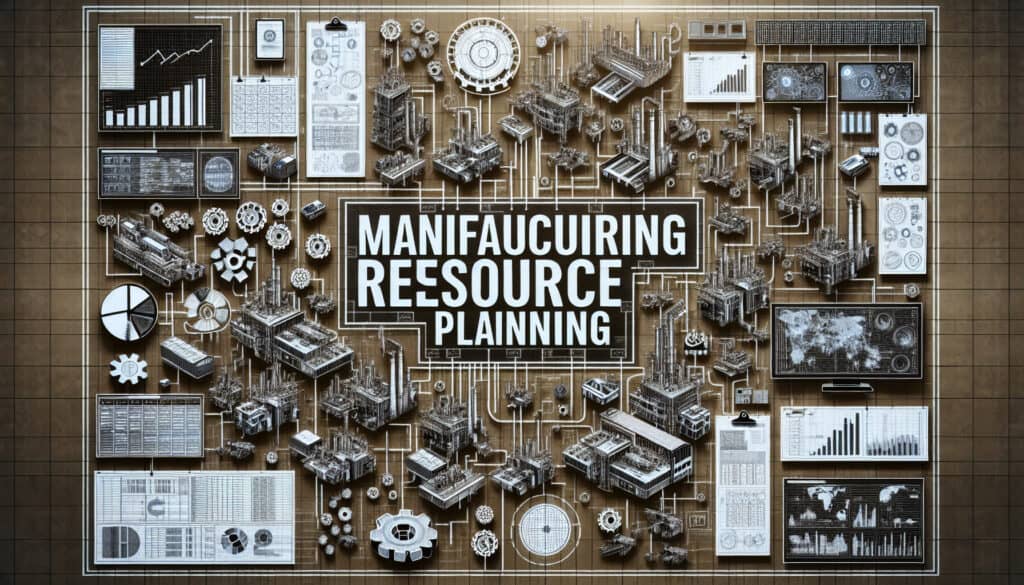
Manufacturing Resource Planning (MRP II) serves as a robust methodology that can be particularly effective in industries such as automotive, aerospace, electronics, and consumer goods, where integration of various functions is paramount. Organizations implementing MRP II often initiate the process during the planning phase of a new product development cycle, allowing teams to forecast demand accurately, manage inventory levels, and synchronize production schedules with labor and materials. Participants typically include production planners, financial analysts, inventory managers, and human resource personnel, all of whom contribute their unique expertise to ensure that the system reflects the realities of the manufacturing environment while aligning with strategic business objectives. For instance, a company might utilize MRP II to coordinate its supply chain and production processes in real-time, facilitating better responsiveness to customer orders and reducing lead times. Utilizing this integrated system can lead to enhanced visibility across departments, fostering interdepartmental collaboration that drives operational efficiency and effectiveness. Companies adopting MRP II also benefit from standardizing processes, which can result in
cost savings and improved resource utilization. Its application is often supplemented with modules for forecasting, scheduling, and financial management, ensuring that businesses are not only producing goods but also optimizing their operational strategy and financial performance. In rapidly changing markets, the adaptability of MRP II can prove advantageous, allowing organizations to pivot based on market demands and operational capabilities without significant disruption.