Product Design, Manufacturing & Innovation Resources

帰属モデリング

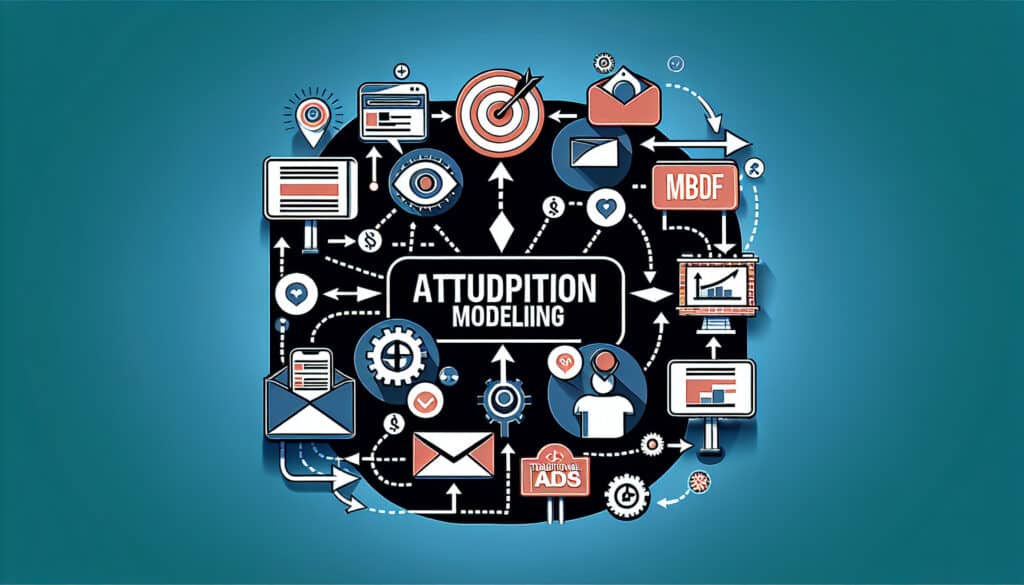
Digital marketing analytics dashboard showing attribution modeling data and customer interaction insights.

帰属モデリング

客観的:

さまざまな部門にクレジットを割り当てるプロセス マーケティング 顧客がコンバージョンに至るまでの過程で接するタッチポイント。

使用方法:

長所

短所

カテゴリー:

最適な用途:

Attribution modeling is widely employed across various sectors, including e-commerce, retail, and digital marketing, where businesses seek to gather data on consumer interactions with different marketing channels before making a purchase. For instance, in a digital advertising campaign, organizations often utilize multi-channel attribution models to evaluate the performance of channels such as social media, email marketing, and paid search advertisements. This process typically takes place during the evaluation phase of a marketing strategy, where data analysts, marketing managers, and product designers come together to analyze user behavior across different platforms. Team collaboration is crucial, as combining technical expertise with marketing knowledge enables more accurate interpretations of data. Professionals specializing in data analytics may use statistical techniques to create models that quantify the contribution of each touchpoint to the final conversion. As businesses adopt attribution modeling techniques, they can adjust their marketing strategies and budget allocation effectively, ensuring that resources are directed towards the channels demonstrating the highest return on investment. Understanding how different marketing efforts correlate with sales not only informs budget decisions but also informs the design of customer experiences, allowing businesses to improve their outreach and engagement strategies effectively. Such methodologies can adapt to the needs of industries facing changing consumer behaviors, helping brands remain competitive while refining their marketing approaches.

この方法論の主なステップ

  1. マーケティング戦略に基づいて、分析対象となるチャネルを選択してください。
  2. コンバージョン目標と主要業績評価指標(KPI)を決定する。
  3. アトリビューションモデルを選択してください(例:ラストクリック、ファーストクリック、線形、時間減衰)。
  4. 選択したモデルに従って、コンバージョンクレジットをマーケティングタッチポイントに割り当てます。
  5. 結果を分析して、傾向やパフォーマンスの差異を特定する。
  6. 効果測定結果に基づいてマーケティング戦略を調整し、支出を最適化する。
  7. 新しいチャネルやデータが利用可能になるにつれて、アトリビューションモデルを継続的に改良する。

プロのヒント

  • マルチタッチアトリビューションを活用することで、さまざまなチャネルにおける顧客とのインタラクションを包括的に把握し、より正確なパフォーマンス分析を行うことができます。
  • 機械学習アルゴリズムを組み込むことで、アトリビューションモデルを動的に改良し、消費者の行動変化に応じてリアルタイムで調整できるようにする。
  • 市場環境や戦略の変化に継続的に対応できるよう、実際のコンバージョンデータに基づいてアトリビューションモデルを定期的に検証し、更新してください。

複数の方法論を読み比べて、 私たちは、

> 包括的な方法論リポジトリ  <
400以上の他の手法と併せて。

この方法論に関するご意見や追加情報は、 以下のコメント欄 ↓、エンジニアリング関連のアイデアやリンクも同様です。

歴史的背景

1942
1957
1957
1960
1960
1965
1970
1914
1950
1957
1957
1960
1960
1970
1980

(日付が不明または関連性がない場合、例えば「流体力学」などでは、その注目すべき出現時期の概算値が提示されます。)

10年目 周年

フルサイズの画像とダウンロードは、登録会員のみが100%無料で利用できます。