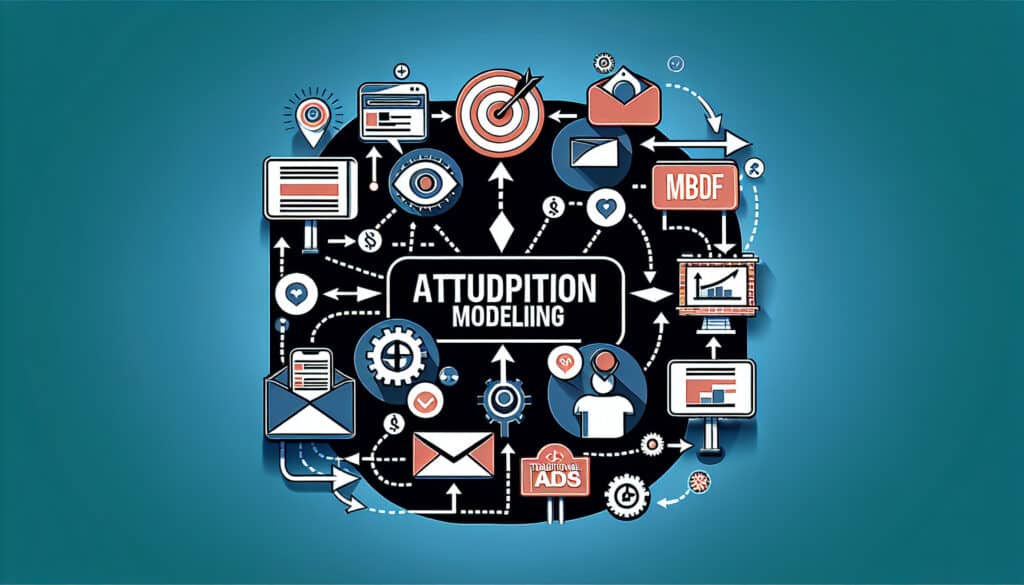
Attribution modeling is widely employed across various sectors, including e-commerce, retail, and digital marketing, where businesses seek to gather data on consumer interactions with different marketing channels before making a purchase. For instance, in a digital advertising campaign, organizations often utilize multi-channel attribution models to evaluate the performance of channels such as social media, email marketing, and paid search advertisements. This process typically takes place during the evaluation phase of a marketing strategy, where data analysts, marketing managers, and product designers come together to analyze user behavior across different platforms. Team collaboration is crucial, as combining technical expertise with marketing knowledge enables more accurate interpretations of data. Professionals specializing in data analytics may use statistical techniques to create models that quantify the contribution of each touchpoint to the final conversion. As businesses adopt attribution modeling techniques, they can adjust their marketing strategies and budget allocation effectively, ensuring that resources are directed towards the channels demonstrating the highest 投资回报率. Understanding how different marketing efforts correlate with sales not only informs budget decisions but also informs the design of customer experiences, allowing businesses to improve their outreach and engagement strategies effectively. Such methodologies can adapt to the needs of industries facing changing consumer behaviors, helping brands remain competitive while refining their marketing approaches.