Product Design, Manufacturing & Innovation Resources

データドリブンマーケティング

データドリブンマーケティング

データドリブンマーケティング

客観的:

アプローチ マーケティング それは、顧客データを利用してマーケティング活動に関する戦略的な意思決定を行うことに依存している。

使用方法:

長所

短所

カテゴリー:

最適な用途:

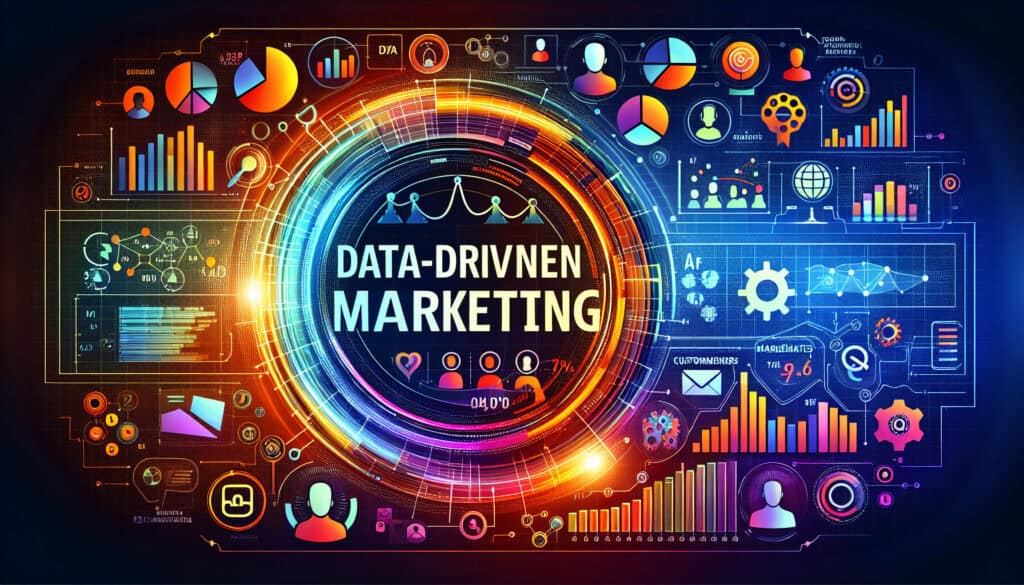
Data-Driven Marketing finds applications across various industries, including e-commerce, retail, finance, and healthcare, where understanding customer preferences can directly influence product development and market positioning. During the product development phase, insights derived from customer data can inform design choices and feature prioritization, helping ensure that offerings align with market demands. Typically, marketing analysts, data scientists, and product managers collaborate during this process, analyzing metrics from various touchpoints and synthesizing findings to create actionable strategies. This methodology is particularly applicable in contexts that require adaptability and responsiveness, as consumer preferences can shift rapidly due to trends or external factors. The iterative nature of campaign testing, such as A/B testing, allows teams to adjust strategies on-the-fly, thus maximizing the impact of their marketing spend. In sectors like travel and hospitality, personalized offers based on past behaviors can significantly boost customer satisfaction and loyalty. Integrating customer feedback from surveys into the data analysis process enhances the ability to refine marketing messages and improve user experiences, leading to greater customer retention. As data tools and platforms grow more sophisticated, organizations can leverage machine learning algorithms to anticipate trends and automate certain marketing functions, further enhancing efficiency and effectiveness. This approach aligns marketing efforts not only with current customer behavior but also with predicted future actions, fostering an environment of continual adjustment and improvement.

この方法論の主なステップ

  1. 顧客データをセグメント化し、類似した行動や嗜好を持つ明確なグループを特定する。
  2. 過去のデータに基づいて、予測分析を活用して将来の顧客行動を予測する。
  3. さまざまなマーケティング戦略やメッセージの効果を評価するために、A/Bテストを実施する。
  4. 顧客アンケートから得られたフィードバックを分析し、満足度と改善点を特定する。
  5. CRMデータを活用して顧客とのやり取りを追跡し、キャンペーンのターゲティング戦略を改善しましょう。
  6. データ視覚化ツールを使用して、複雑なデータセットを解釈し、情報に基づいた意思決定を行いましょう。
  7. キャンペーンのパフォーマンス指標を継続的に監視し、傾向や最適化すべき領域を特定する。
  8. パフォーマンス分析とフィードバックループに基づいて、マーケティング戦略をリアルタイムで調整する。

プロのヒント

  • 過去のデータと新たなトレンドに基づいて顧客行動を予測するために、高度な予測分析を導入する。
  • A/Bテストと並行して多変量テストを実施することで、消費者の嗜好に関するより深い洞察を得るとともに、キャンペーン要素を同時に最適化できます。
  • CRMシステムに機械学習アルゴリズムを統合することで、顧客とのやり取りをパーソナライズし、マーケティング調整をリアルタイムで自動化できます。

複数の方法論を読み比べて、 私たちは、

> 包括的な方法論リポジトリ  <
400以上の他の手法と併せて。

この方法論に関するご意見や追加情報は、 以下のコメント欄 ↓、エンジニアリング関連のアイデアやリンクも同様です。

歴史的背景

1942
1957
1957
1960
1960
1965
1970
1914
1950
1957
1957
1960
1960
1970
1980

(日付が不明または関連性がない場合、例えば「流体力学」などでは、その注目すべき出現時期の概算値が提示されます。)

10年目 周年

フルサイズの画像とダウンロードは、登録会員のみが100%無料で利用できます。