Product Design, Manufacturing & Innovation Resources

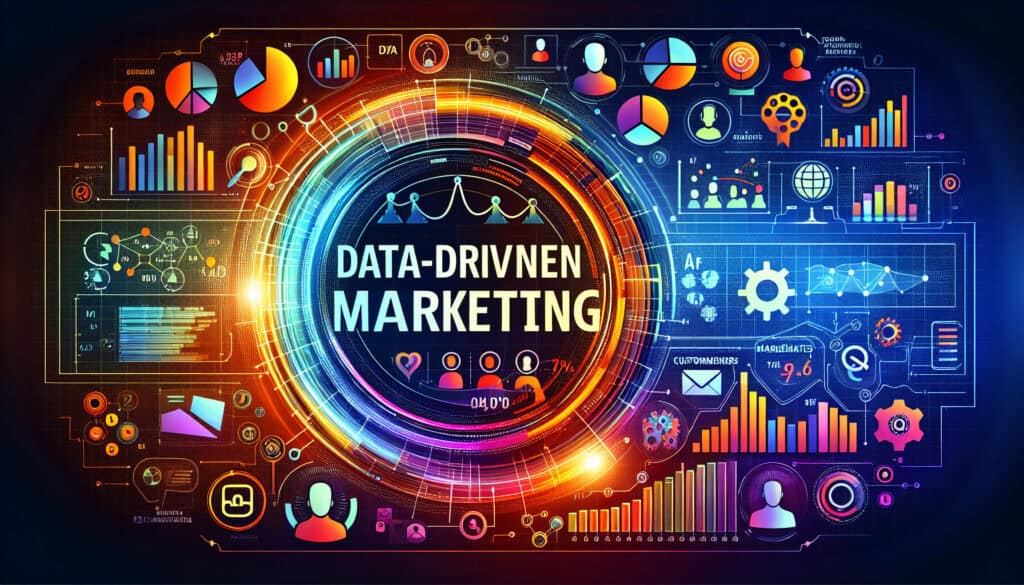
데이터 기반 마케팅

데이터 기반 마케팅

데이터 기반 마케팅

목적:

접근 방식 마케팅 고객 데이터를 활용하여 마케팅 활동에 대한 전략적 결정을 내리는 것에 기반합니다.

사용 방법:

장점

단점

카테고리:

다음과 같은 경우에 가장 적합합니다:

Data-Driven Marketing finds applications across various industries, including e-commerce, retail, finance, and healthcare, where understanding customer preferences can directly influence product development and market positioning. During the product development phase, insights derived from customer data can inform design choices and feature prioritization, helping ensure that offerings align with market demands. Typically, marketing analysts, data scientists, and product managers collaborate during this process, analyzing metrics from various touchpoints and synthesizing findings to create actionable strategies. This methodology is particularly applicable in contexts that require adaptability and responsiveness, as consumer preferences can shift rapidly due to trends or external factors. The iterative nature of campaign testing, such as A/B testing, allows teams to adjust strategies on-the-fly, thus maximizing the impact of their marketing spend. In sectors like travel and hospitality, personalized offers based on past behaviors can significantly boost customer satisfaction and loyalty. Integrating customer feedback from surveys into the data analysis process enhances the ability to refine marketing messages and improve user experiences, leading to greater customer retention. As data tools and platforms grow more sophisticated, organizations can leverage machine learning algorithms to anticipate trends and automate certain marketing functions, further enhancing efficiency and effectiveness. This approach aligns marketing efforts not only with current customer behavior but also with predicted future actions, fostering an environment of continual adjustment and improvement.

이 방법론의 주요 단계

  1. 고객 데이터를 세분화하여 유사한 행동 및 선호도를 가진 서로 다른 그룹을 식별합니다.
  2. 예측 분석을 활용하여 과거 데이터를 기반으로 미래 고객 행동을 예측하십시오.
  3. 다양한 마케팅 전략이나 메시지의 효과를 평가하기 위해 A/B 테스트를 실시하십시오.
  4. 설문조사를 통해 얻은 고객 피드백을 분석하여 만족도 수준과 개선이 필요한 부분을 파악합니다.
  5. CRM 데이터를 활용하여 고객 상호작용을 추적하고 캠페인 타겟팅 전략을 개선하세요.
  6. 데이터 시각화 도구를 사용하여 복잡한 데이터 세트를 해석하고 정보에 기반한 의사 결정을 내리세요.
  7. 캠페인 성과 지표를 지속적으로 모니터링하여 추세와 최적화 영역을 파악합니다.
  8. 성과 분석 및 피드백 루프를 기반으로 마케팅 전략을 실시간으로 조정하세요.

프로 팁

  • 과거 데이터와 새로운 트렌드를 기반으로 고객 행동을 예측하는 고급 예측 분석 기능을 구현합니다.
  • 다변량 테스트와 A/B 테스트를 병행하여 소비자 선호도에 대한 심층적인 통찰력을 얻고 캠페인 요소를 동시에 최적화하세요.
  • 머신러닝 알고리즘을 CRM 시스템에 통합하여 고객과의 상호작용을 개인화하고 마케팅 조정을 실시간으로 자동화하세요.

여러 방법론을 읽고 비교하기 위해, 저희는 다음을 추천합니다

> 광범위한 방법론 저장소  <
400가지가 넘는 다른 방법론들과 함께.

이 방법론에 대한 의견이나 추가 정보는 언제든지 환영합니다. 아래 댓글란 ↓ , 엔지니어링 관련 아이디어나 링크도 마찬가지입니다.

역사적 맥락

1942
1957
1957
1960
1960
1965
1970
1914
1950
1957
1957
1960
1960
1970
1980

(날짜를 알 수 없거나 관련이 없는 경우, 예를 들어 "유체역학"의 경우, 주목할 만한 등장 시기를 대략적으로 추정하여 제공합니다.)

10년차 기념일

고화질 이미지 및 다운로드는 등록된 회원에게만 100% 무료로 제공됩니다.

> 로그인 <