Product Design, Manufacturing & Innovation Resources
家 » PFASの生体内蓄積と生体内濃縮

PFASの生体内蓄積と生体内濃縮

2000
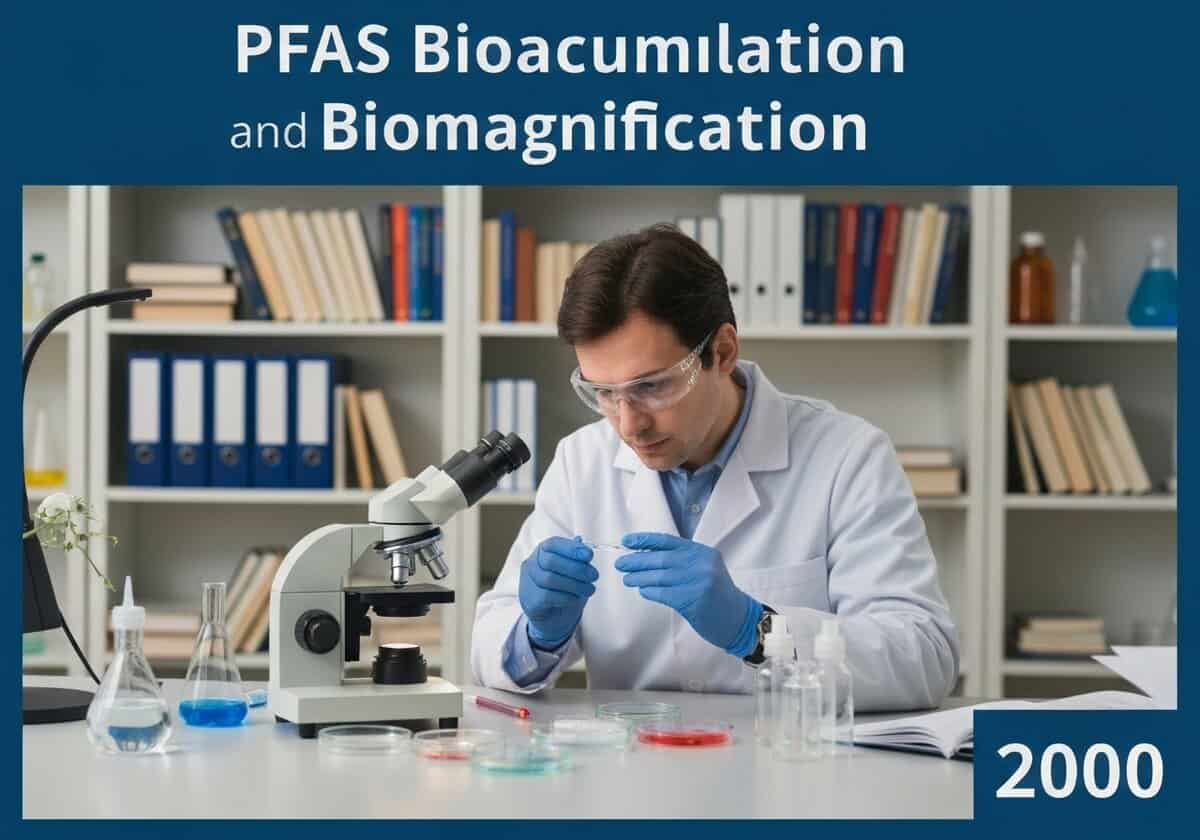
Toxicologist analyzing fish samples for PFAS in a laboratory setting.

(画像はイメージです)

脂肪組織に蓄積する多くの残留性有機汚染物質とは異なり、長鎖 PFAS PFOAやPFOSなどのPFOSは、主に血清中のタンパク質(例えばアルブミン)に結合し、肝臓などの血流の良い臓器に蓄積します。これにより、生物体内での生物濃縮が起こり、食物連鎖を通じて生物濃縮が進み、人間を含む頂点捕食者において高濃度になります。

The environmental behavior of long-chain PFAS is distinct from classical persistent organic pollutants (POPs) like PCBs or DDT. While traditional POPs are lipophilic (fat-loving) and accumulate in adipose tissue, the amphiphilic nature of PFAS (having both a hydrophobic/lipophobic tail and a hydrophilic head) dictates a different biological fate. The charged functional group (e.g., carboxylate in PFOA or sulfonate in PFOS) interacts with proteins. Specifically, these compounds bind to serum albumin in the blood and fatty acid-binding proteins within cells. This protein-binding mechanism facilitates their transport throughout the body and leads to accumulation in protein-rich tissues and organs with high blood flow, such as the liver, kidneys, and blood itself. Because they are not easily metabolized or excreted, their biological half-life in humans can be several years. This persistence within a single organism is the basis for bioaccumulation. As organisms are consumed by others higher up the food web, the concentration of PFAS increases at each trophic level, a process known as biomagnification. This is why top predators like polar bears, dolphins, and humans often exhibit the highest levels of PFAS contamination.
UNESCO Nomenclature: 2512
毒性学

タイプ

生物学的プロセス

混乱

増分

使用法

広く普及している

前駆物質

  • 食物網と栄養段階の理解
  • 生体組織中の低濃度化学物質を検出するための分析化学技術(例:LC-MS/MS)の開発
  • DDTや水銀などの以前の汚染物質で確立された生物蓄積の概念
  • 医薬品のタンパク質結合に関する研究

アプリケーション

  • 魚の摂取に関する公衆衛生勧告の策定
  • PFA排出を制限する環境規制(例:ストックホルム条約)
  • 人間の曝露レベルを追跡するためのバイオモニタリングプログラム
  • 健康リスクを予測するための毒性モデル

特許:

NA

潜在的なイノベーションのアイデア

  • genetically engineered microbes that express proteins with high affinity for pfas to aid in 生物修復
  • nanoparticle-based ‘sponges’ that mimic serum proteins to capture pfas from water
  • crispr-based biosensors that detect cellular stress caused by pfas accumulation
  • pharmacological agents that compete with pfas for protein binding sites to accelerate excretion
  • food chain models incorporating pfas protein-binding kinetics for more accurate risk assessment
  • advanced dialysis filters specifically designed to remove protein-bound pfas from blood
  • synthetic food additives that bind pfas in the gut to prevent absorption
  • drone-based tissue sampling of wildlife for large-scale biomagnification studies
  • organ-on-a-chip technology to study pfas accumulation and toxicity in human liver and kidney models
  • ai algorithms to predict the bioaccumulation potential of new chemicals based on molecular structure
関連キーワード:生物蓄積、生物濃縮、PFAS、PFOA、PFOS、毒性学、残留性有機汚染物質、血清アルブミン、環境運命、食物連鎖。

歴史的背景

PFASの生体内蓄積と生体内濃縮

1990
1990
1990
2000
2006
1990
1990
1990
1993
2001-09-01

(日付が不明または関連性がない場合、例えば「流体力学」などでは、その注目すべき出現時期の概算値が提示されます。)

10年目 周年

フルサイズの画像とダウンロードは、登録会員のみが100%無料で利用できます。