Due to their performance yet cheap price, plastic bottles are the highest volume of consumable plastic parts produced, which converts into the highest plastic pollution source on earth. View here the technology principles of plastic bottle manufacturing and the 工場見学 それらを意識的に使用するか、次のデザインで代替案を見つけるようにしてください。
(この記事の下部に工場見学動画が2本あります)
ペットボトル製造工程
1. 石油からペレットへ
ほとんどのプラスチック製造工程と同様に、ペットボトルの製造工程は、製油所で計量や取り扱いが容易なプラスチックペレットを製造することから始まります。これらのペレットは、原料(石油、天然ガスなど)と様々な化学物質や添加剤を組み合わせて作られます。ペレットの正確な配合は、使用するプラスチックの種類によって異なり、ペットボトルに最もよく使われるのはPETです。
PET = PolyEthylene Terephthalate
詳細は以下をご覧ください。 ポリエチレンテレフタレート Wikipediaに掲載されています。
この工程は給油所では決して行われず、専用の石油精製工場で行われる。
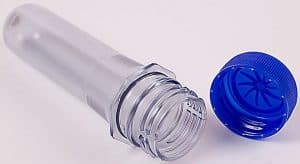
2. ペレットからプリフォームへ
ブロー成形技術では、まず従来のプラスチック射出成形機を用いて中空のプラスチック管が作られます。このいわゆる「プリフォーム」は、次の工程でボトルを保持するために使用されるスクリューとコレットの最終形状を既に備えています。管の長さは、次の工程を容易にし、材料を均一に伸ばすことを可能にします。
後から材料が除去されないため、プリフォームは既に最終的な空のペットボトルと同じ重量になります。この市場の規模が非常に大きく、プリフォームの断面積が小さいため、射出成形金型には非常に多くのキャビティが設けられており、プレスサイクルごとに多数のプリフォームが生産されます。金型に供給される原料を除けば、無駄になる原材料はごくわずかです。
3.プリフォームからプラスチックボトルへ
この成形プロセスは様々な方法で行うことができますが、最も一般的な方法は「ブロー成形」と呼ばれています。前の工程で射出されたプリフォームを金型の上に置き、熱風を吹き付けてチューブを金型の形状に成形します。
空のペットボトルの量が多く、またこの段階では清潔な状態であるため、この工程は必ず最終充填工場で行われます。
4.記入と最終ステップ
新しく製造されたボトルには、最終的な液体が充填され、通常はプラスチック製のねじ込み式キャップで密封され、通常はポリエチレン(PE)で別々に注入され、ラベルが貼られ、以下のマークが付けられます。
- 製品情報
- トレーサビリティ情報
- 有効期限
そして組み立てられ、消費者向けロットと物流向けロットに梱包される。その際、多くの場合、追加のプラスチックフィルムが使用される。
ペットボトル工場見学
あ 工場見学 大量生産ボトル製造の技術を代表するもので、有名なジュースやソーダの製造ブランドの技術を代表するものです。
そして、前回のプレゼンテーションを補完する、より商業的なプレゼンテーション。
Note: while we agree on the “recyclable” term used in the video, it does not mean effectively リサイクル in the real life. The degradation of physical properties of recycled compounds, and likely also the costly collection effort required by disseminated trash versus low new material cost, lower the quantity of effectively recycled materials.
Ecological Alternative Approaches
Use fewer consumables
As our 価値分析 moto, follow the first rule:
Do not improve something you can suppress at the first place
- by not buying liquids that can be obtained without bottles at all. Example: tap water in countries with excellent local or national piping distribution systems.
- by using bottles made of reusable glass or reusable plastic. Some countries have a full bottle refilling circuit, usually with a deposit system. The bottles are produced in a similar way as shown above but have much thicker walls to withstand the additional logistic circuit and intense cleaning and disinfection before refilling and relabelling.
- go for the biggest bottle whenever possible. Not only does it contain the biggest quantity of liquid per quantity of plastic material, it also has only one cap compared to several small bottles, but it is way easier to collect as it disseminates less.
Use other Materials
Ask your plastic compounds supplier about bio-sourced plastic alternatives. More and more can be used in traditional injection machines with few parameter changes. Cost is higher but some markets are ready for this. More on these new bio-sourced materials in our エコロジカルデザイン セクション。
ヒント: mind when these raw materials are only used as a percentage, and when the principle is just to split the usual raw plastic material into pieces. Of course, the trash becomes less visible in the field, but in fact, it disseminates the plastics in tiny bits impossible to collect, with almost the same huge degradation time. Instead, look for materials where the core raw material degrades naturally and fast, typically made of starch or equivalent.
Or use no plastic at all, but glass or metals, or other materials. See our dedicated article on this.
Again, only to be used when single-use bottles can not be suppressed completely in the first place.
補足資料と方法
- リサイクル Processes for Plastic Bottles: Explore how plastic bottles are collected, sorted, and reprocessed into new products.
- Innovations in Biodegradable Plastics: Discover advancements in creating eco-friendly alternatives to traditional plastic bottles.
- Regulations and Policies on Plastic Bottles: Understand the global and local regulations governing the use and disposal of plastic bottles.
- Alternative Packaging Solutions: Investigate other materials and designs being used to replace plastic bottles.
- Consumer Behavior and Plastic Usage: Study how consumer habits impact the demand for plastic bottles.
- Energy Consumption in Plastic Production: Assess the energy requirements and efficiency of producing plastic bottles.
- Chemical Composition of Plastics: Learn about the types of plastics used in bottle manufacturing and their chemical properties.
External Links on Plastic Bottles
国際規格
- ISO 8317:2019 Plastic bottles – Child-resistant packaging – Requirements and testing
- ASTM D6400-19:2019 Standard Specification for Labeling of Plastics Designed to be Aerobically Composted in Municipal or Industrial Facilities
- ISO 11607-1:2019 Packaging for terminally sterilized medical devices – Part 1: Requirements for materials, sterile barrier systems and packaging systems
(リンクにカーソルを合わせると、コンテンツの説明が表示されます)
用語集
Positron Emission Tomography (PET): 陽電子消滅によって放出されるガンマ線を検出する医用画像診断技術で、組織内の代謝過程を可視化するために用いられ、しばしば放射性トレーサーを用いて癌、神経疾患、心血管疾患などの病態を評価する。