Due to their performance yet cheap price, plastic bottles are the highest volume of consumable plastic parts produced, which converts into the highest plastic pollution source on earth. View here the technology principles of plastic bottle manufacturing and the جولات المصنع to use them knowingly or find alternatives in your next design.
(2 Factory Tours videos at the bottom of this post)
Plastic Bottles Manufacturing Steps
1. From Petroleum to Pellets
As with most plastic processes, the manufacturing process for plastic bottles begins at a refinery with the creation of plastic pellets that are easy to dose and handle. These pellets are made by combining raw materials (petroleum, natural gas, etc.) with a variety of different chemicals and additives. The exact recipe for the pellets depends on the type of plastic being used, the most common for plastic bottles being PET.
PET = PolyEthylene Terephthalate
More details on Polyethylene Terephthalate are on Wikipedia.
This step is never done at the filling site but in dedicated petroleum transformation factories.
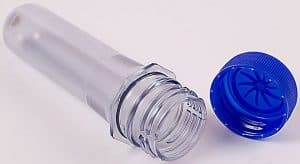
2. From Pellets to Preforms
In blow molding technology, a hollow tube of plastic is first created by traditional plastic injection machines. This so-called “preform” has already the final shape of the screw and the collet, which will be used in the next step for holding the future bottle. The length of the tube will ease the next operation and allow a regular extension of the material.
As no material is later removed, the preform has already the weight of the final empty plastic bottle. Due to the extremely high volume of this market and the little cross-section of this preform, the injection mold has a very high number of cavities, thus producing many preforms per each press cycle. Except for the carrot feeding the mold, very little raw material is wasted.
3. From Preforms to Plastic Bottles
This molding process can be done in a variety of ways, but the most common method is known as “blow molding”. The preform injected in the previous process is then placed over a mold and a blast of hot air is used to blow the tube into the shape of the mold.
Due to the volume of empty plastic bottles, and their clean state at this stage, this step is always done at the final filling factory.
4. Filling And Last Steps
The newly produced bottles are then filled with the final liquid, sealed usually with a plastic screw-on cap, separately injected, usually in PolyEthylene (PE), labeled and marked with:
- product information
- traceability information
- expiration date
and then assembled and packaged into consumer lots and logistic lots, frequently with additional plastic films.
Plastic Bottles Factory Tours
A جولة في المصنع of very high volume bottles manufacturing, representative of technologies of the famous brands of juice and sodas manufacturing
And a much more commercial presentation, but complementary to the previous one
Note: while we agree on the “recyclable” term used in the video, it does not mean effectively recycled in the real life. The degradation of physical properties of recycled compounds, and likely also the costly collection effort required by disseminated trash versus low new material cost, lower the quantity of effectively recycled materials.
The rest of this article is reserved for members
To limit scraping bots (currently 40,000 hits per day!),
we had to restrict access to full articles and tools to registered members only.
to access all the rest.