Product Design, Manufacturing & Innovation Resources

Critical Incident Technique

Critical Incident Technique

Critical Incident Technique

उद्देश्य:

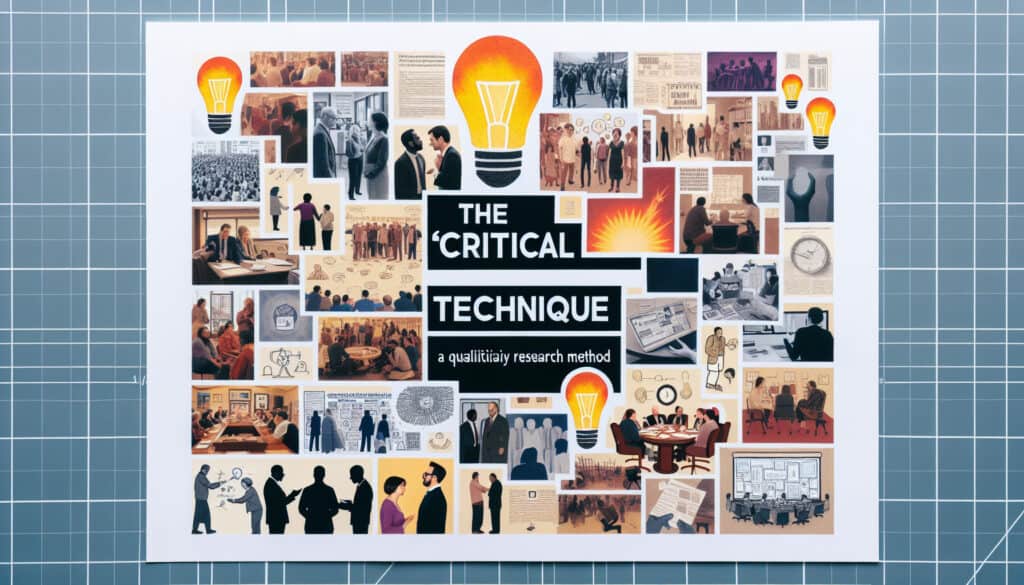
A qualitative research method that involves collecting detailed information about significant real-world events (incidents) from observers or participants.


इसका उपयोग कैसे किया जाता है:

फायदे

नुकसान

श्रेणियाँ:

इसके लिए सबसे अच्छा:

The Critical Incident Technique (CIT) is particularly adaptable in user experience research, usability testing, and workplace productivity evaluations across various sectors, including healthcare, education, software development, and customer service. The methodology is often employed during early project phases to inform design decisions or during iterative testing stages to refine existing systems. Typically, the initiation of CIT can be spearheaded by user experience researchers, product designers, or human factors engineers who seek to gather detailed qualitative data directly from users or employees. Participants in this methodology are primarily users of the product or system in question, as well as employees who interact with the process, offering authentic insights into their experiences. An example application in the healthcare sector could involve interviewing nurses about critical incidents they encountered while using Electronic Health Record (EHR) systems, which can reveal pivotal factors that either enhance or undermine patient care due to usability issues. By documenting both positive and negative incidents, teams can establish a clear understanding of systemic barriers and successful strategies that lead to improved user interactions, thus laying a foundation for targeted design improvements and training initiatives. The real-world rich data achieved through CIT allows organizations to make informed decisions grounded in actual user experiences rather than assumptions or generalized feedback.

इस पद्धति के प्रमुख चरण

  1. जांच के लिए विशिष्ट कार्यों या अंतःक्रियाओं की पहचान करें।
  2. उपयोगकर्ताओं या कर्मचारियों को उन कार्यों से संबंधित महत्वपूर्ण घटनाओं को याद करने के लिए प्रेरित करें।
  3. प्रत्येक घटना के संदर्भ पर विस्तार से चर्चा करने के लिए प्रोत्साहित करें।
  4. घटनाओं के परिणामों और प्रभावों के बारे में विस्तृत जानकारी मांगें।
  5. घटना के दौरान उपयोगकर्ता की भावनाओं और विचारों का पता लगाएं।
  6. परिस्थिति की सफलता या विफलता में किन कारकों का योगदान रहा, इस बारे में स्पष्टीकरण मांगें।
  7. एकत्रित घटनाओं का विश्लेषण करके उनमें पाए जाने वाले सामान्य विषयों और पैटर्नों का पता लगाएं।
  8. उपयोगकर्ता अनुभव पर पड़ने वाले प्रभाव के आधार पर पहचाने गए कारकों को प्राथमिकता दें।

प्रो टिप्स

  • रिपोर्ट की गई घटनाओं के भावनात्मक और परिस्थितिजन्य संदर्भ में गहराई से जानने के लिए अनुवर्ती जांच प्रश्नों का उपयोग करें, जिससे उपयोगकर्ता की प्रेरणाओं और प्रतिक्रियाओं की समझ समृद्ध हो सके।
  • एकत्रित घटनाओं पर विषयगत विश्लेषण का उपयोग करके अंतर्निहित पैटर्न और रुझानों का पता लगाएं जो डिजाइन विकल्पों और प्रशिक्षण हस्तक्षेपों दोनों को सूचित कर सकते हैं।
  • घटना संबंधी साक्षात्कारों के साथ-साथ बहु-आयामी डेटा स्रोतों (जैसे, अवलोकन डेटा, कार्य विश्लेषण) को शामिल करें ताकि निष्कर्षों को मान्य किया जा सके और कथित और वास्तविक उपयोगकर्ता अनुभवों के बीच विसंगतियों का पता लगाया जा सके।

विभिन्न पद्धतियों को पढ़ने और उनकी तुलना करने के लिए, हम अनुशंसा करते हैं

> व्यापक कार्यप्रणाली भंडार  <
अन्य 400 से अधिक पद्धतियों के साथ।

इस कार्यप्रणाली पर आपकी टिप्पणियाँ या अतिरिक्त जानकारी का स्वागत है। नीचे टिप्पणी अनुभाग देखें ↓ , साथ ही इंजीनियरिंग से संबंधित कोई भी विचार या लिंक।

ऐतिहासिक संदर्भ

1974
1974
1978
1980
1980
1980
1980
1972
1974
1975-06-01
1980
1980
1980
1980
1980

(यदि तिथि अज्ञात है या प्रासंगिक नहीं है, उदाहरण के लिए "द्रव यांत्रिकी", तो इसके उल्लेखनीय उद्भव का एक अनुमानित आंकड़ा प्रदान किया गया है)


नवीनतम परिवर्धन

शीर्ष पोस्ट और लेख

शीर्ष मूल उपकरण

10वां वर्ष सालगिरह

पंजीकृत सदस्यों के लिए पूर्ण आकार की छवियाँ और डाउनलोड 100% निःशुल्क उपलब्ध हैं।