지속적인 개선, 식스 시그마 설계(DfSS), 디자인 사고, Human-Computer Interaction, 품질 관리, 사용성, 사용성 테스트, 사용자 경험(UX), 사용자 중심 디자인
목적:
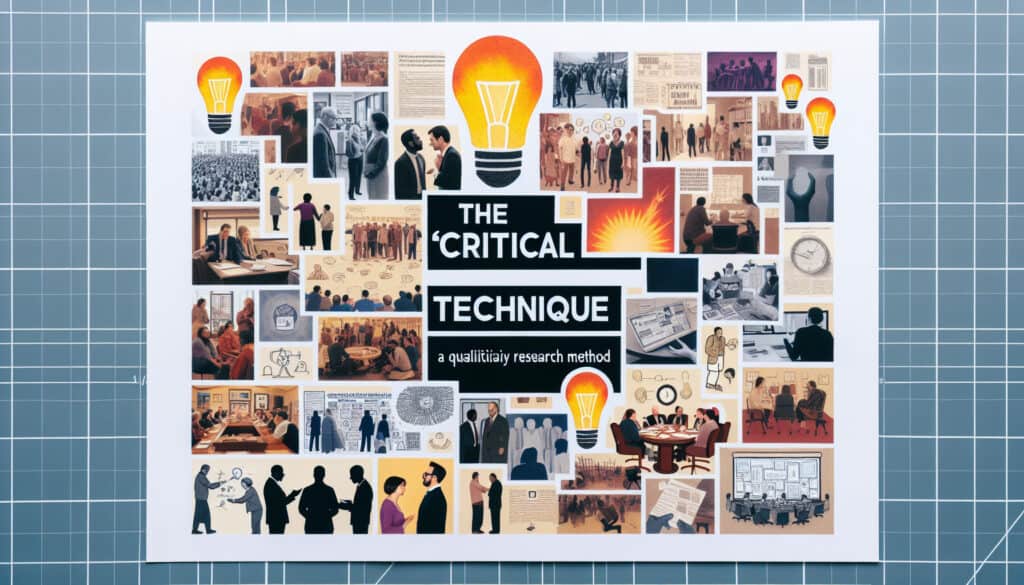
A qualitative research method that involves collecting detailed information about significant real-world events (incidents) from observers or participants.
사용 방법:
인터뷰 진행자는 사용자나 직원에게 특정 작업을 수행하는 동안 특히 긍정적이거나 부정적인 결과를 경험했던 구체적인 사례와 그 맥락 및 결과를 설명해 달라고 요청합니다.
장점
실제 사용자 행동 및 문제에 대한 풍부하고 맥락화된 데이터를 수집하고, 성공 또는 실패로 이어지는 핵심 요인을 파악하는 데 도움을 주며, 설계 또는 교육 개선을 위한 구체적인 사례를 제공합니다.
단점
참여자의 기억에 의존하기 때문에 기억이 부정확하거나 편향될 수 있으며, 발생한 사건이 드물고 일반적인 사용을 대표하지 않을 수 있고, 질적 데이터 분석에 시간이 많이 소요될 수 있습니다.
카테고리:
인간 공학, 인사부, 제품 디자인, 품질
다음과 같은 경우에 가장 적합합니다:
시스템과의 사용자 상호작용에서 성공 또는 실패에 영향을 미치는 주요 요인을 이해하는 것.
The Critical Incident Technique (CIT) is particularly adaptable in user experience research, usability testing, and workplace productivity evaluations across various sectors, including healthcare, education, software development, and customer service. The methodology is often employed during early project phases to inform design decisions or during iterative testing stages to refine existing systems. Typically, the initiation of CIT can be spearheaded by user experience researchers, product designers, or human factors engineers who seek to gather detailed qualitative data directly from users or employees. Participants in this methodology are primarily users of the product or system in question, as well as employees who interact with the process, offering authentic insights into their experiences. An example application in the healthcare sector could involve interviewing nurses about critical incidents they encountered while using Electronic Health Record (EHR) systems, which can reveal pivotal factors that either enhance or undermine patient care due to usability issues. By documenting both positive and negative incidents, teams can establish a clear understanding of systemic barriers and successful strategies that lead to improved user interactions, thus laying a foundation for targeted design improvements and training initiatives. The real-world rich data achieved through CIT allows organizations to make informed decisions grounded in actual user experiences rather than assumptions or generalized feedback.
이 방법론의 주요 단계
조사할 구체적인 작업이나 상호작용을 파악하십시오.
사용자나 직원에게 해당 작업과 관련된 중요한 사건을 떠올리도록 유도하십시오.
각 사건의 맥락에 대한 자세한 설명을 유도하십시오.
사건의 결과와 영향에 대한 자세한 내용을 요청하십시오.
해당 사건 발생 당시 사용자의 감정과 생각을 살펴보세요.
해당 상황의 성공 또는 실패에 영향을 미친 요인에 대한 명확한 설명을 요청합니다.
수집된 사건들을 분석하여 공통적인 주제와 패턴을 파악합니다.
사용자 경험에 미치는 영향을 기준으로 파악된 요소의 우선순위를 정하십시오.
프로 팁
후속 질문을 활용하여 보고된 사건의 감정적, 상황적 맥락을 더 깊이 파악하고, 사용자의 동기와 반응에 대한 이해를 풍부하게 하십시오.
수집된 사건에 대한 주제 분석을 활용하여 설계 선택 및 교육 개입 모두에 도움이 될 수 있는 근본적인 패턴과 추세를 파악합니다.
관찰 데이터, 작업 분석 등 다양한 데이터 소스를 사건 관련 인터뷰와 함께 활용하여 조사 결과를 검증하고 사용자가 인지하는 경험과 실제 경험 간의 차이를 밝혀내십시오.