निरंतर सुधार, एडिटिव मैन्युफैक्चरिंग के लिए डिज़ाइन (DfAM), डिसअसेंबली के लिए डिज़ाइन (डीएफडी), विनिर्माण के लिए डिज़ाइन (DfM), लीन विनिर्माण, उत्पादन रूप, उत्पाद विकास, गुणवत्ता प्रबंधन, मूल्य इंजीनियरिंग (VE)
उद्देश्य:
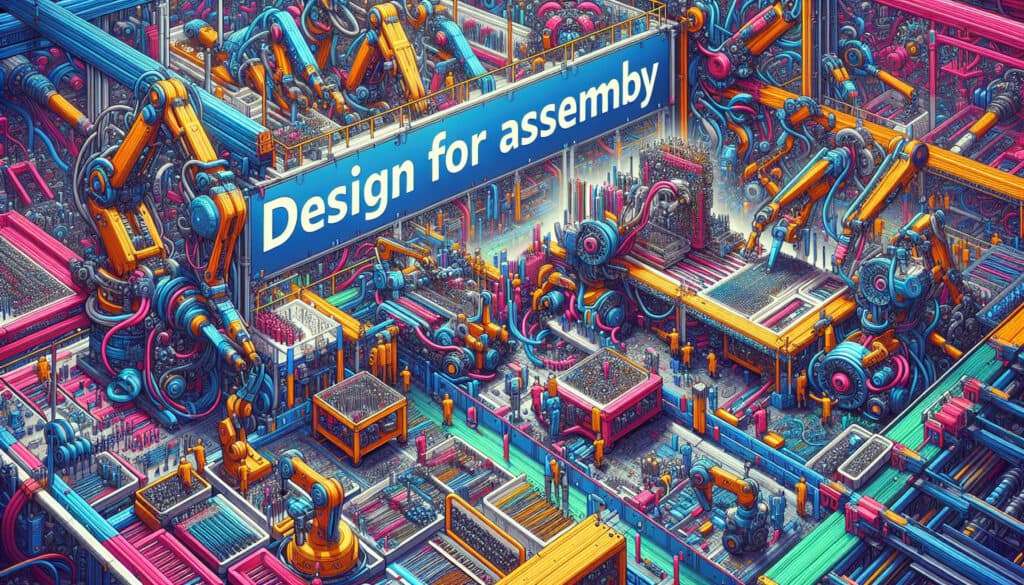
उत्पादों को इस तरह से डिजाइन करने की प्रक्रिया जिसमें उन्हें आसानी से असेंबल किया जा सके।
इसका उपयोग कैसे किया जाता है:
यह एक व्यवस्थित दृष्टिकोण है जिसमें डिजाइनर उत्पाद के डिजाइन का विश्लेषण करके पुर्जों की संख्या कम करने, असेंबली कार्यों को सरल बनाने और असेंबली के समय और लागत को कम करने का प्रयास करते हैं।
फायदे
इससे श्रम और विनिर्माण लागत कम होती है; उत्पादन क्षमता और गुणवत्ता में सुधार होता है; उत्पाद संरचना सरल हो जाती है।
नुकसान
यह कभी-कभी सौंदर्यशास्त्र या उपयोगिता जैसे अन्य डिजाइन लक्ष्यों के साथ टकराव पैदा कर सकता है; इसके लिए प्रक्रिया के शुरुआती चरण में ही डिजाइन और विनिर्माण इंजीनियरों के बीच सहयोग की आवश्यकता होती है।
श्रेणियाँ:
इंजीनियरिंग, लीन सिग्मा, उत्पादन, उत्पादन रूप
इसके लिए सबसे अच्छा:
उत्पादों को इस तरह से डिजाइन करना कि उन्हें असेंबल करना जितना संभव हो उतना आसान और सस्ता हो।
Design for Assembly (DfA) methodology is particularly advantageous in industries such as consumer electronics, automotive, and furniture manufacturing, where complex products often consist of numerous components. In the initial project phases, design teams जुड़ते हैं in DfA to identify opportunities for reducing the total part count, often optimizing designs to use modular components that can serve multiple functions, such as incorporating fasteners that also act as alignment features. This approach not only minimizes the physical parts required but also improves the ease of assembly, thereby allowing assembly workers to take less time per unit, which correlates directly with lower labor costs. Cross-functional teams, including design engineers, assembly line workers, and manufacturing engineers, work collaboratively in this process to gather diverse perspectives on assembly challenges and efficiencies. Specific applications of DfA can be observed in the production of smartphones, where companies utilize integrated circuit boards to minimize space and reduce the number of assembly steps, thereby improving yield rates and enhancing overall product reliability. Companies may also leverage DfA principles in iterative prototyping stages, enabling quicker pivots based on early testing feedback to refine both product design and assembly flow before large-scale production begins. When implemented effectively, DfA contributes to higher levels of product quality as designs are inherently more robust against assembly errors, which is particularly important in highly regulated industries like aerospace, where safety and reliability are paramount.
इस पद्धति के प्रमुख चरण
असेंबली की संभावनाओं के लिए वर्तमान डिजाइन का विस्तृत विश्लेषण करें।
संयोजन प्रक्रिया में अनावश्यक या गैर-जरूरी भागों की पहचान करें।
जहां संभव हो, भागों को समूहित करें ताकि उन्हें एक इकाई के रूप में संयोजित करना आसान हो।
कार्यक्षमता को बनाए रखते हुए जटिलता को कम करने के लिए भागों को सरल बनाएं।
विभिन्नताओं को कम करने और असेंबली को आसान बनाने के लिए घटकों को मानकीकृत करें।
संयोजन कार्यों को आसान बनाने के लिए स्व-स्थान निर्धारण और स्व-कसने वाले घटकों का उपयोग करें।
कार्यकुशलता और सरलता के लिए संयोजन अनुक्रम का मूल्यांकन करें।
असेंबली में लगने वाले समय और श्रम को कम करने पर केंद्रित डिजाइन में बदलाव लागू करें।
असेंबली प्रदर्शन पर ध्यान केंद्रित करते हुए प्रोटोटाइप का परीक्षण करें और प्रतिक्रिया एकत्र करें।
असेंबली फीडबैक और परीक्षण परिणामों के आधार पर डिजाइन में सुधार करें।
प्रो टिप्स
मॉड्यूलर घटकों का उपयोग करके आसान अदला-बदली की सुविधा प्रदान करें और असेंबली की जटिलता को कम करें, जिससे मरम्मत और अपग्रेड के विकल्प बढ़ सकते हैं।
डिजाइन चरणों के दौरान असेंबली समय अध्ययन को बार-बार संचालित करें, प्रक्रियाओं को परिष्कृत करने और कार्य अनुक्रमों को कुशलतापूर्वक अनुकूलित करने के लिए बाधाओं की पहचान करें।
अमल में लाना Poka-योक असेंबली लाइनों में त्रुटियों को दूर करने के लिए सिस्टम, यह सुनिश्चित करना कि घटकों को पहली बार में ही सही ढंग से असेंबल किया जाए, जिससे रीवर्क और स्क्रैप की दर कम हो जाती है।
विभिन्न पद्धतियों को पढ़ने और उनकी तुलना करने के लिए, हम अनुशंसा करते हैं