지속적인 개선, 적층 제조를 위한 설계(DfAM), 분해 용이 설계(DfD), 제조를 고려한 설계(DfM), 린 제조, 제품 디자인, 제품 개발, 품질 관리, 가치공학(VE)
목적:
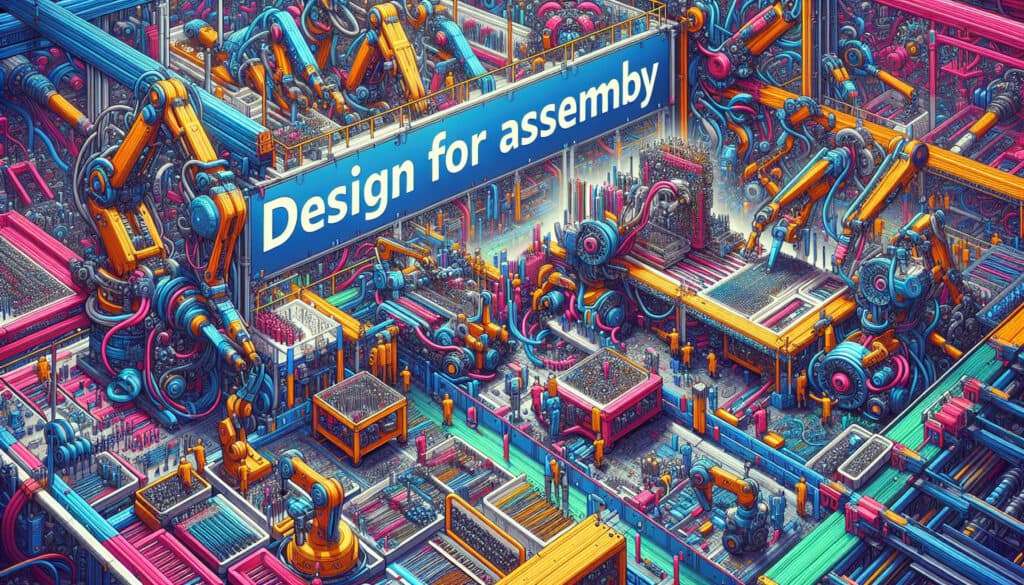
조립이 용이하도록 제품을 설계하는 관행.
사용 방법:
이는 설계자가 제품 설계를 분석하여 부품 수를 줄이고, 조립 작업을 단순화하며, 조립 시간과 비용을 최소화하는 체계적인 접근 방식입니다.
장점
노동 및 제조 비용을 절감하고, 생산 처리량과 품질을 향상시키며, 제품 구조를 단순화합니다.
단점
미적 요소나 사용 편의성과 같은 다른 설계 목표와 충돌할 수 있으므로, 설계 엔지니어와 제조 엔지니어 간의 초기 단계 협업이 필요합니다.
카테고리:
공학, 린 시그마, 조작, 제품 디자인
다음과 같은 경우에 가장 적합합니다:
제품을 최대한 쉽고 저렴하게 조립할 수 있도록 설계하는 것.
Design for Assembly (DfA) methodology is particularly advantageous in industries such as consumer electronics, automotive, and furniture manufacturing, where complex products often consist of numerous components. In the initial project phases, design teams 관계를 맺다 in DfA to identify opportunities for reducing the total part count, often optimizing designs to use modular components that can serve multiple functions, such as incorporating 결합 부품 that also act as alignment features. This approach not only minimizes the physical parts required but also improves the ease of assembly, thereby allowing assembly workers to take less time per unit, which correlates directly with lower labor costs. Cross-functional teams, including design engineers, assembly line workers, and manufacturing engineers, work collaboratively in this process to gather diverse perspectives on assembly challenges and efficiencies. Specific applications of DfA can be observed in the production of smartphones, where companies utilize integrated circuit boards to minimize space and reduce the number of assembly steps, thereby improving yield rates and enhancing overall product reliability. Companies may also leverage DfA principles in iterative prototyping stages, enabling quicker pivots based on early testing feedback to refine both product design and assembly flow before large-scale production begins. When implemented effectively, DfA contributes to higher levels of product quality as designs are inherently more robust against assembly errors, which is particularly important in highly regulated industries like aerospace, where safety and reliability are paramount.
이 방법론의 주요 단계
조립 가능성을 파악하기 위해 현재 설계에 대한 상세 분석을 수행하십시오.
조립 과정에서 중복되거나 불필요한 부품을 식별합니다.
조립이 용이하도록 가능한 한 부품들을 하나의 단위로 묶어서 조립하십시오.
기능을 유지하면서 복잡성을 줄이기 위해 부품을 단순화하십시오.
구성 요소를 표준화하여 변형을 최소화하고 조립을 용이하게 합니다.
조립 작업을 간소화하기 위해 자체 위치 지정 및 자체 고정 부품을 활용하십시오.
조립 순서의 효율성과 단순성을 평가하십시오.
조립 시간과 노동력을 줄이는 데 중점을 둔 설계 변경 사항을 구현하십시오.
조립 성능에 중점을 두고 프로토타입을 테스트하고 피드백을 수집합니다.
조립 과정에서의 피드백과 테스트 결과를 바탕으로 설계를 반복적으로 개선합니다.
프로 팁
모듈형 구성 요소를 활용하여 호환성을 높이고 조립 복잡성을 줄이면 수리 및 업그레이드 옵션이 향상될 수 있습니다.
설계 단계에서 조립 시간 연구를 반복적으로 수행하여 병목 현상을 파악하고 프로세스를 개선하며 작업 순서를 효율적으로 최적화합니다.
구현하다 포카요케 조립 라인의 시스템을 개선하여 오류를 제거하고, 부품이 처음부터 정확하게 조립되도록 보장하며, 재작업 및 불량률을 줄입니다.