Product Design, Manufacturing & Innovation Resources

Design for Assembly (DfA)

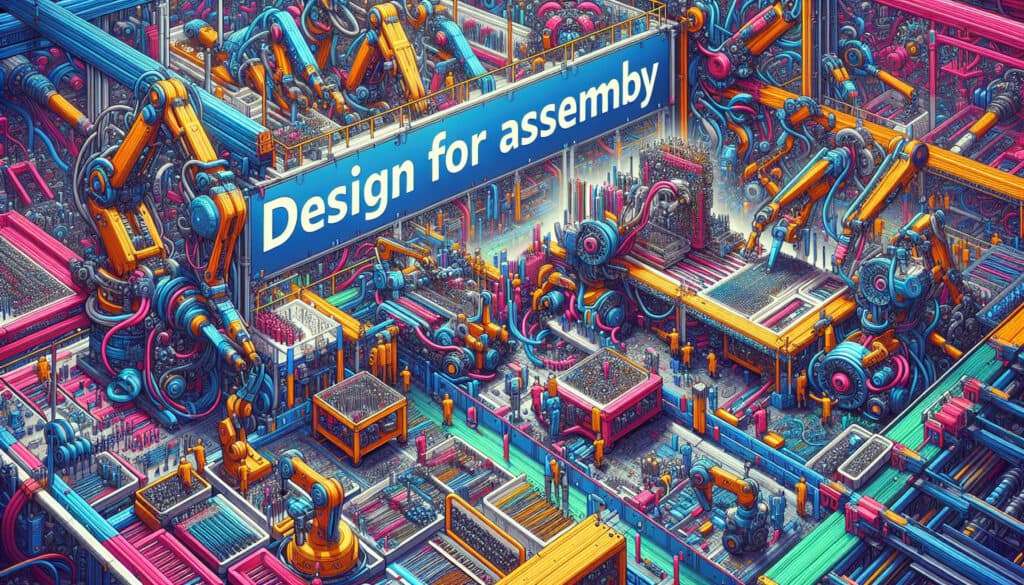
Design for Assembly

Design for Assembly (DfA)

Objective:

ممارسة تصميم المنتجات مع مراعاة سهولة التجميع.

How it’s used:

الايجابيات

سلبيات

Categories:

الأفضل لـ:

Design for Assembly (DfA) methodology is particularly advantageous in industries such as consumer electronics, automotive, and furniture manufacturing, where complex products often consist of numerous components. In the initial project phases, design teams يخطب in DfA to identify opportunities for reducing the total part count, often optimizing designs to use modular components that can serve multiple functions, such as incorporating fasteners that also act as alignment features. This approach not only minimizes the physical parts required but also improves the ease of assembly, thereby allowing assembly workers to take less time per unit, which correlates directly with lower labor costs. Cross-functional teams, including design engineers, assembly line workers, and manufacturing engineers, work collaboratively in this process to gather diverse perspectives on assembly challenges and efficiencies. Specific applications of DfA can be observed in the production of smartphones, where companies utilize integrated circuit boards to minimize space and reduce the number of assembly steps, thereby improving yield rates and enhancing overall product reliability. Companies may also leverage DfA principles in iterative prototyping stages, enabling quicker pivots based on early testing feedback to refine both product design and assembly flow before large-scale production begins. When implemented effectively, DfA contributes to higher levels of product quality as designs are inherently more robust against assembly errors, which is particularly important in highly regulated industries like aerospace, where safety and reliability are paramount.

Key steps of this methodology

  1. قم بإجراء تحليل مفصل للتصميم الحالي لتحديد فرص التجميع.
  2. تحديد الأجزاء الزائدة أو غير الضرورية في عملية التجميع.
  3. قم بتجميع الأجزاء لتسهيل عملية التجميع كوحدة واحدة كلما أمكن ذلك.
  4. تبسيط الأجزاء لتقليل التعقيد مع الحفاظ على الوظائف.
  5. قم بتوحيد المكونات لتقليل الاختلافات وتسهيل عملية التجميع.
  6. استخدم مكونات ذاتية التحديد والتثبيت لتسهيل مهام التجميع.
  7. قم بتقييم تسلسل التجميع من حيث الكفاءة والبساطة.
  8. قم بتنفيذ تغييرات في التصميم تركز على تقليل وقت التجميع والعمالة.
  9. اختبار النماذج الأولية مع التركيز على أداء التجميع وجمع الملاحظات.
  10. قم بتحسين التصميم بناءً على ملاحظات التجميع ونتائج الاختبار.

نصائح احترافية

  • استخدم المكونات المعيارية للسماح بسهولة التبديل وتقليل تعقيد التجميع، مما يمكن أن يعزز خيارات الإصلاح والترقية.
  • قم بإجراء دراسات وقت التجميع بشكل متكرر خلال مراحل التصميم، مع تحديد نقاط الاختناق لتحسين العمليات وتحسين تسلسل العمل بكفاءة.
  • Implement نير وداعا أنظمة في خطوط التجميع للقضاء على الأخطاء، مما يضمن تجميع المكونات بشكل صحيح من المرة الأولى، ويقلل من معدلات إعادة العمل والخردة.

To read and compare several methodologies, we recommend the

> Extensive Methodologies Repository  <
together with the 400+ other methodologies.

Your comments on this methodology or additional info are welcome on the comment section below ↓ , so as any engineering-related ideas or links.

السياق التاريخي

1972
1974
1975-06-01
1980
1980
1980
1980
1970
1974
1974
1978
1980
1980
1980
1980

(إذا كان التاريخ غير معروف أو غير ذي صلة، على سبيل المثال "ميكانيكا الموائع"، يتم توفير تقدير تقريبي لظهوره الملحوظ)

أحدث الإضافات

أهم المنشورات والمقالات

أفضل الأدوات الأصلية

السنة العاشرة عيد

الصور والتنزيلات بالحجم الكامل متاحة فقط، ومجانية تمامًا، للأعضاء المسجلين.