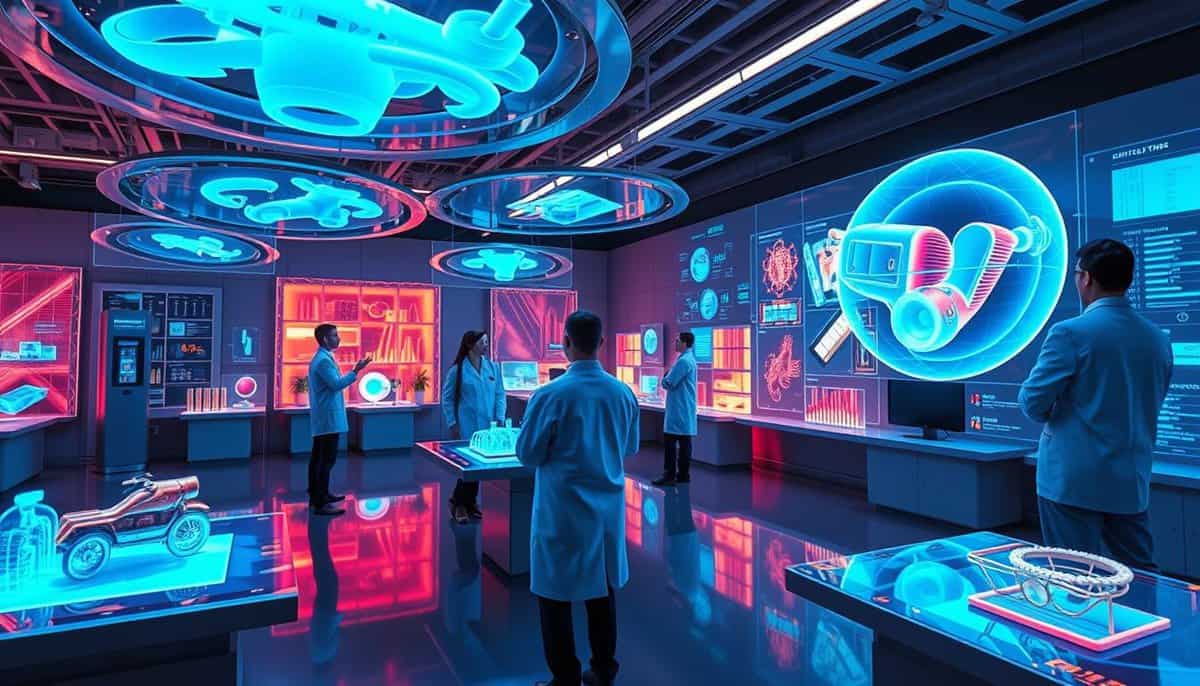
अगले पांच वर्षों में, कंपनियों का 30 ट्रिलियन डॉलर का राजस्व नए उत्पादों पर निर्भर करेगा। यह शोध और विकास (आर एंड डी) में डिजिटल ट्विन तकनीक की अपार क्षमता को दर्शाता है। उत्पाद विकास अधिकारियों में से 75% डिजिटलीकरण पर ध्यान केंद्रित कर रहे हैं, जिससे डिजिटल ट्विन तकनीक का बाजार प्रति वर्ष लगभग 60% की दर से बढ़ने की उम्मीद है। 2027 तक, इसके 73.5 बिलियन डॉलर तक पहुंचने का अनुमान है।
डिजिटल ट्विन भौतिक प्रणालियों की आभासी प्रतियां बनाते हैं। इससे बेहतर सिमुलेशन, पूर्वानुमान और संचालन संभव हो पाता है। ये तकनीक नवाचार के तरीकों को बदल रही है और विकास, लागत अनुकूलन और दक्षता को बेहतर बना रही है। इस तकनीक की बदौलत हम वास्तविक समय का डेटा प्राप्त कर सकते हैं और उत्पाद प्रदर्शन और बाजार के रुझानों का सटीक पूर्वानुमान लगा सकते हैं।
मुख्य बातें
- Digital twins can cut product development time by 20 to 50%, reducing the need for multiple prototypes.
- Using digital twins leads to 25% fewer quality issues and increases sales by 3 to 5%.
- The global market for digital twins is expected to grow 60% yearly, hitting $73.5 billion by 2027.
- Many sectors, like manufacturing and biotech, are using digital twins.
- For businesses navigating supply chain issues, investing in digital twins is crucial. It helps lower costs and boost revenue.
Understanding Digital Twins: A Comprehensive Overview
डिजिटल ट्विन्स उद्योगों द्वारा वस्तुओं के उपयोग और उनके बारे में जानने के तरीके में एक बड़ा बदलाव लाते हैं। ये आभासी मॉडल होते हैं जो वास्तविक वस्तुओं से बहुत मिलते-जुलते हैं। इससे गहन जानकारी और बेहतर उपयोग संभव हो पाता है। ये कई स्रोतों से डेटा एकत्रित करते हैं, जैसे कि IoT वास्तविक दुनिया की सटीक नकल करने के लिए सेंसर का उपयोग किया जाता है।
The use of IoT in research is key for digital twins. IoT devices gather and analyze data continuously. This makes the models dynamic. For example, in cars, digital twins check how a vehicle is doing in real-time. This helps predict problems and find issues before they happen.
Adding AI and predictive analytics to digital twins is a big step forward. This lets the models better themselves and make decisions alone. This is especially good in areas like aerospace, where details matter a lot. The digital twin market is expected to reach USD 73.5 billion by 2027. This shows how important and widespread they are becoming.
| उद्योग | Application | लाभ |
|---|---|---|
| ऑटोमोटिव | Vehicle Performance Monitoring | Early Detection of Wear and Tear |
| एयरोस्पेस | System Optimization | Enhanced Safety and Efficiency |
| उत्पादन | प्रक्रिया अनुकूलन | Cost Reduction |
| स्वास्थ्य सेवा | Predictive Maintenance of Equipment | Improved Operational Reliability |
| Urban Planning | Scenario Testing | Infrastructure Optimization |
New real-time data advancements give digital twins quick reaction ability. This helps in quick, smart decision-making in many fields. In urban planning, for example, twins can test out changes to help with sustainable growth.
साइबर सुरक्षा डिजिटल ट्विन्स के साथ सुरक्षा बहुत महत्वपूर्ण है, क्योंकि वे बहुत सारे निजी डेटा से निपटते हैं। मजबूत सुरक्षा, जैसे कि एन्क्रिप्शनयह डेटा की सुरक्षा में मदद करता है। डिजिटल ट्विन स्थापित करना महंगा हो सकता है, लेकिन अंत में इसका लाभ मिलता है। इससे मिलने वाले फायदे लागत और मेहनत के लायक हैं।
The Evolution and History of Digital Twin Technology
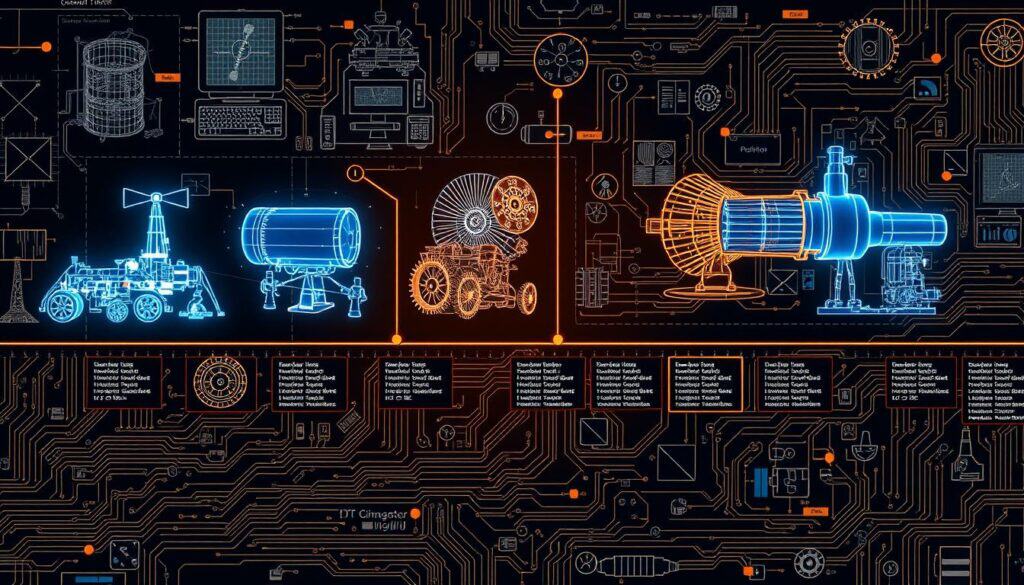
The development of digital twins started as simple models. They are now complex systems that work with AI and machine learning. The path of digital twin technology began in the 1960s. NASA used them first during the Apollo 13 mission. Since that time, the concept has grown and become very popular, especially in the early 2000s.
2015 तक, डिजिटल ट्विन्स 'इंडस्ट्री 4.0' क्रांति की कुंजी बन गए थे। यह उनके इतिहास में एक बड़ा कदम था। 2021 में इनका बाजार मूल्य 6.5 अरब डॉलर था। 2030 तक यह 125.7 अरब डॉलर तक पहुंच सकता है। यह वृद्धि इनके व्यापक लाभों के कारण है। ये कार्यकुशलता बढ़ाते हैं, समय और धन की बचत करते हैं और जोखिम मूल्यांकन को बेहतर बनाते हैं।
Recently, digital twins came back into the spotlight with the 2022 metaverse boom. They give businesses and users a clearer view of our physical world. Their benefits include cutting costs, fewer failures, and smoother operations. This applies in many fields, like aerospace and healthcare.
| वर्ष | Milestone |
|---|---|
| 1960s | अपोलो 13 मिशन के दौरान नासा द्वारा इसका उपयोग |
| Early 2000s | Concept gains popularity |
| 2015 | ‘इंडस्ट्री 4.0’ के साथ एकीकरण |
| 2022 | Resurgence during the metaverse boom |
अनुसंधान एवं विकास में डिजिटल ट्विन का उपयोग करने से बहुत कुछ बदल जाता है, लेकिन यह चुनौतीपूर्ण भी है। शुरुआत में भारी लागत और विशेषज्ञता की आवश्यकता बड़ी चुनौतियाँ हैं। फिर भी, व्यवसाय मूल्य पर ध्यान केंद्रित करते हैं। डिजिटल ट्विन वास्तविक जीवन के तत्वों को मॉडल करने या उनका परीक्षण करने का एक स्मार्ट तरीका प्रदान करते हैं। इससे संचालन सुचारू रूप से चलता है और बिना रुके जारी रहता है।
Also, tech like real-time capture and generative AI helps solve these hard points. They make it quicker and easier to create digital products.
In conclusion, the historical perspective of digital twins shows their growth from ideas to key tools in modern R&D. They have a big future in growing and bringing new things to life.
Key Benefits of Digital Twins in Product Development
Digital twins are important in making products today. They help improve designs and make things cost-effective. With a digital twin, companies can test and change products in a virtual world. This means less money spent on making models and faster time getting products out there. This way, products become better and more reliable.
Enhancement of Product Design and Engineering
Companies get better at making products with digital twins. This technology lets them test changes in a virtual space. Engineers can fix problems before they appear in the real world. This leads to products that work better and have more features.
A report by McKinsey shows 75% of companies using digital twins achieved medium complexity. Some areas where it’s used include:
- Automotive: helps in working together on car designs worldwide.
- Industrial manufacturing: boosts product quality and reduces costs by finding issues early.
- Aerospace: makes plane performance better without as much testing, saving time and money.
Using digital twins to test and polish designs lessens the need for physical models. This leads to faster development times. Products can be released quicker and more efficiently.
Cost Reduction and Process Optimization
Digital twins play a big role in saving money in research and development. They make processes better and use resources wisely. By finding where waste happens, they help companies save a lot. For example, using digital twins has cut development time by 20-50% and lowered the costs of early models.
Also, digital twins offer valuable services after a sale, like predicting when maintenance is needed. This improves how long a product lasts, makes customers happier, and keeps them coming back.
| उद्योग | उदाहरण |
|---|---|
| Consumer Electronics | Optimizing supply chain quality and reducing waste |
| ऑटोमोटिव | Facilitating global collaboration in 3D automotive design |
| Industrial Manufacturing | Improving product quality and cutting costs through early problem identification |
| एयरोस्पेस | Simulating and optimizing aircraft performance to reduce testing time and costs |
| ऊर्जा | Optimizing infrastructure performance and identifying cost-saving opportunities |
The benefits and process improvements from digital twins highlight their value in making products. The market for digital twins is expected to grow a lot, by 37.5% from 2023 to 2030. This technology will change how things are made and make R&D more efficient in many industries.
Implementing Digital Twins: Challenges and How to Overcome Them
The journey toward integrating digital twins within an organization’s रूपरेखा is full of obstacles. These must be identified and addressed with careful planning and strong strategies.
Data Complexity and Quality is a big barrier in the world of digital twins. When you mix data from different sources, it can cause accuracy problems and inefficiencies. This could lead to delays in the digital twin process. Making sure the data is reliable and high-quality is crucial for success.
System Integration is yet another hurdle. Old systems often can’t easily work with new digital twin technology. Overcoming this challenge requires making plans for effective integration. This allows for smooth data exchange and functionality across all systems.
Cost and ROI Concerns greatly impact digital twin implementation. It can be tough to get budget approval without clear return-on-investment figures. That’s why it’s key to create solid financial plans. Showing the long-term benefits is essential to get support.
Technical Expertise is vital for a successful strategy. There’s a lack of professionals who know how to use digital twin tech. We need more training programs and focused hiring to fill this skills gap.
Scalability is a big issue. Applying digital twin tech across different areas can spread resources thin. It demands careful resource management to keep things running smoothly and effectively.
Cybersecurity is crucial. Strong security steps must protect sensitive data from cyber threats. High security standards keep data safe and boost confidence in the organization.
Cultural Resistance can slow down digital twin adoption in a company. To overcome this, companies need to build a culture that welcomes digital advances. Effective परिवर्तन प्रबंधन helps support this shift.
Regulatory Compliance adds more complexity. Companies have to deal with specific industry rules and laws, especially about using and keeping data safe. This ensures a smooth implementation process.
Real-time Data Processing is essential. A strong IT setup is necessary to handle data quickly and reduce delays. This makes sure the operation is efficient and dependable.
Long-term Maintenance keeps digital twins relevant and accurate. Ongoing updates make the technology keep up with business changes. This ensures it stays useful over time.
This is summarized in the table below:
| चुनौती | विवरण | समाधान |
|---|---|---|
| Data Complexity and Quality | Issues in merging data from multiple sources | Implementing rigorous data सत्यापन processes |
| System Integration | Compatibility problems with legacy systems | Developing custom integration solutions |
| Cost and ROI Concerns | Securing budget approval | Clear financial projections and ROI demonstrations |
| Technical Expertise | Shortage of skilled professionals | Targeted training and recruitment programs |
| Scalability | Resource management issues in expansion | Streamlined resource allocation strategies |
| साइबर सुरक्षा | Protecting sensitive data | Implementing robust security measures |
| Cultural Resistance | Internal resistance to change | Effective change management practices |
| Regulatory Compliance | Navigating industry-specific regulations | Adhering to regulatory standards |
| Real-time Data Processing | Handling and minimizing data latency | Investing in strong IT infrastructure |
| Long-term Maintenance | Sustaining technology relevance | Ongoing upkeep and alignment with business needs |
Applicable Industries for Digital Twins
Digital twins are changing many industries by making operations better and sparking new ideas. They create virtual versions of physical things. This is how they’re changing specific sectors.
Automotive and Aerospace
In the automotive and aerospace fields, digital twins are very important. In aerospace, around 75% of leaders are exploring these technologies. Boeing, for example, safely increased its 737-800’s cargo capacity by 23% with digital twins.
These technologies are also crucial in the car industry. They’re predicted to make up at least 15% of the digital twin market. They help car makers improve design, testing, and more. This boosts vehicle safety and performance.
Healthcare and Life Sciences
Digital twins are making big changes in medicine and research. They simulate how human bodies react, improving drug tests and medical procedures. This tech helps create treatments that are just right for each patient. It lowers costs and improves care.
The market for digital twins in health is growing fast. It’s expected to jump from $9.5 billion in 2022 to over $72 billion by 2032. Its uses range from studying genes to planning complex surgeries.
Infrastructure and Energy Sectors
In infrastructure and energy, digital twins help make things work better and last longer. For cities, it’s about planning and sustainability. ABI Research thinks we’ll see 500 digital city twins by 2025. They help manage resources well and make cities greener.
In energy, they watch over and predict how well equipment will work. This cuts down on unexpected stops and makes things safer. Using digital twins saves money and helps keep our energy supply reliable and clean.
Here’s a look at how digital twins are used in different areas:
| सेक्टर | आवेदन | लाभ |
|---|---|---|
| ऑटोमोटिव | Design & R&D, Performance Testing | Enhanced Innovation, Safety Improvements |
| एयरोस्पेस | Weight Optimization, Predictive Maintenance | Operational Efficiency, Increased Cargo Capacity |
| स्वास्थ्य सेवा | Drug Testing, Personalized Medicine | Better Treatment Plans, Reduced Costs |
| Infrastructure | Urban Planning, Resource Management | Sustainability, Efficient Operations |
| ऊर्जा | Performance Monitoring, Predictive Maintenance | Safety, Cost Savings |
Digital Twins in R&D: Revolutionizing Research and Development
Digital twins are changing how research gets done by allowing for virtual tests. This method cuts down on the time and resources needed for real-world trials. A 2023 McKinsey report found that digital twins help companies get their products out 30% faster.
Researchers can work faster, get immediate responses, and analyze their findings in depth with digital twins. This not only boosts innovation in research but also makes predictive models and experiments more precise. A 2022 study by Gartner showed using digital twins can cut costs by up to 50%.
Digital twins reduced our flight test time by 20% and brought substantial cost savings,” said Airbus when discussing the benefits of virtual testing.
In the drug-making world, digital twins could shorten the time to develop new medicines by up to 25%, says CSols Inc. This is key since about 80% of clinical trials don’t start on time, and 55% end early because they can’t get enough participants.
Ford uses digital twins to check how self-driving cars would do in different road situations. This helps them make safer cars faster, according to Ford Media Center. Digital twins are proving essential for new breakthroughs in various fields.
| उद्योग | फ़ायदा | Source |
|---|---|---|
| एयरोस्पेस | 20% reduction in flight test time, cost savings | Airbus |
| फार्मास्युटिकल | 25% reduction in drug development timelines | CSols Inc. |
| ऑटोमोटिव | Accelerated development of autonomous vehicles | Ford Media Center |
Key Tools and Technologies for Creating Digital Twins
To build and manage digital twins effectively, you need the right tech. It starts with advanced simulation software, real-time data gathering through IoT devices and sensors, and powerful data analytics platforms. These elements ensure the digital twin mirrors the real object well. They provide insights that help improve performance and find areas for improvement.
Simulation Software
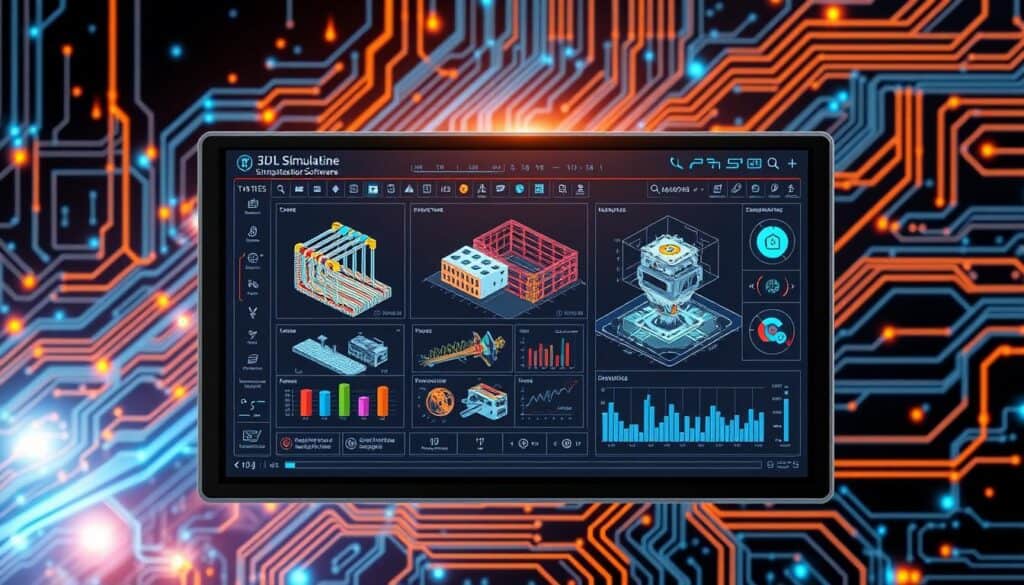
Simulation software is crucial for a good digital twin. Giants like Siemens and NVIDIA have worked together for years. They use tools like NVIDIA Omniverse and OpenUSD. These help in designing, simulating, and enhancing products and facilities. Thanks to these tools, we can deeply understand and operate digital twins. This drives better productivity and innovation in several fields.
IoT Devices and Sensors
जोड़ा जा रहा है IoT devices and sensors is essential for collecting data in real time. This makes digital twins more lively and reactive. Famous names like BMW Group and Amazon रोबोटिक्स connect these devices to their digital twins for 3D monitoring. This greatly aids in refining production and solving issues faster. With continuous IoT data, digital twins always match their physical versions.
Data Analytics Platforms
मज़बूत data analytics platforms are key for handling the huge data from digital twins. These platforms enhance the twins’ functionality and accuracy. NVIDIA’s Omniverse Cloud offers an environment for creating and managing industrial digital applications. Using data analytics in research and development lets companies dig deeper. This way, they can optimize their work for better results.
Tips for Effective Digital Twin Implementation
Implementing digital twins successfully requires a well-thought strategy. This includes managing different data sources, taking care of security, and keeping an eye on costs. Here are some useful tips to help you tackle these issues effectively.
Ensuring Data Integration and Management
It’s vital to manage and blend large data amounts from various places. Good integration strategies are key. They help keep data consistent, allow easy data sharing, and keep data accurate. You can achieve great data management by:
- Establishing standardized data formats to ease integration between various systems.
- Using advanced data analytics platforms to process and analyze the data efficiently.
- Employing IoT devices and sensors to ensure real-time data acquisition and reliability.
This not only improves data integration but also aids in making smarter decisions and boosts operational performance.
Maintaining Data Security and Privacy
Keeping digital twin data secure is vital for protecting private information and following privacy laws. Implementing strong security measures is a must. This includes encryption and managing who can access the data. Important steps involve:
- Conducting regular security audits to identify and fix weaknesses.
- Encrypting data when stored and during transfer to stop unauthorized access and leaks.
- Implementing role-based access controls to keep data limited to approved staff only.
Strong security practices build trust and ensure sensitive data stays safe in digital twins.
Managing Implementation Costs
Handling cost management in R&D and the initial high costs of starting with digital twins is essential. With careful cost-value studies and looking for scalable options, controlling expenses becomes possible. Ways to do this include:
- Choosing digital twin platforms that are modular and scalable, allowing you to start small and grow as needed.
- Partnering with outside experts for insights and cost-saving methods.
- Training your own टीमें to better their tech skills which lowers the need for outside help.
Using these strategies helps keep costs in check while fully benefiting from digital twins in R&D.
| चुनौती | Strategic Approach |
|---|---|
| Data Integration | Standardized data formats, advanced analytics, IoT devices |
| Security and Privacy | Regular audits, data encryption, role-based access |
| लागत प्रबंधन | Scalable solutions, expert collaboration, internal training |
Using Digital Twins for Predictive Maintenance
Predictive maintenance is changing industries with digital twins. It helps predict equipment failure. This means less downtime and longer life for machinery. It improves efficiency and cuts maintenance costs.
It’s very useful for vehicles and factories. It stops small issues from becoming big problems. For example, in aviation, digital twins keep an eye on engine performance. They offer real-time info and predict risks. This makes sure planes are safe and reliable.
Digital twins use five kinds of data for maintenance. These are digital models, static data, IoT data, service data, and simulations. These data types help make better maintenance decisions. As digital tools get better, maintenance becomes more efficient. This leads to less downtime and better reliability in operations.
पूरक पठन सामग्री एवं विधियाँ
- Internet of Things (IoT) Integration: sensor data acquisition, IoT architecture design, edge computing.
- Machine Learning and AI: predictive analytics, anomaly detection, reinforcement learning.
- Data Analytics and Big Data: data fusion, real-time analytics, data visualization.
- Cloud Computing: cloud storage solutions, distributed computing, scalability management.
- Cybersecurity for Digital Twins: threat modeling, encryption techniques, access control systems.
- Augmented Reality (AR) and Virtual Reality (VR): immersive visualization, AR/VR इंटरफ़ेस डिज़ाइन, प्रयोगकर्ता का अनुभव optimization.
- Systems Engineering: Systems architecture design, lifecycle management, requirements engineering.
अक्सर पूछे जाने वाले प्रश्न
What is a digital twin in R&D?
Digital twin in R&D is like virtual copy of a real system. It helps with simulation, prediction, and analysis. This boosts innovation and makes R&D more efficient.
How does digital twin technology contribute to product development?
यह तकनीक गहन विश्लेषण और बेहतर परिणाम प्राप्त करने में सहायक है। उत्पादन रूप भौतिक मॉडल के बिना। इससे गुणवत्ता में सुधार, विकास में तेजी और लागत में कटौती करने में मदद मिलती है।
What is the role of virtual modeling in the creation of a digital twin?
Virtual modeling is key for digital twins. It simulates real-world conditions for accurate representations. This helps in predictive analytics and managing operations.
Which industries benefit the most from a digital twin?
The auto, aerospace, healthcare, infrastructure, and energy industries gain a lot. They see better design, testing, efficiency, and maintenance with digital twins.
How has digital twin evolved over time?
From simple models to advanced systems with AI and machine learning, digital twins have grown. They now use big data for greater insights and accuracy.
What tools and technologies are essential for building a digital twin?
Essential tools include advanced simulation software and IoT devices for data collection. Data analytics platforms refine data to improve twin functionality and accuracy.
How can a digital twin enhance predictive maintenance?
By analyzing data to predict equipment failures, digital twins enable proactive maintenance. This approach reduces downtime and extends equipment life.
What strategies can ensure effective digital twin implementation?
Successful strategies involve seamless data integration, strong data security, and managing adoption costs. These maximize the benefits of digital twins.
प्रयुक्त शब्दों की शब्दावली
Internet of Things (IoT): यह परस्पर जुड़े उपकरणों का एक नेटवर्क है जिसमें सेंसर, सॉफ्टवेयर और अन्य प्रौद्योगिकियां अंतर्निहित होती हैं जो उन्हें इंटरनेट पर डेटा एकत्र करने और आदान-प्रदान करने में सक्षम बनाती हैं, जिससे विभिन्न प्रक्रियाओं और प्रणालियों के स्वचालन, निगरानी और नियंत्रण में सुविधा होती है।
Network-attached storage (NAS): एक नेटवर्क से जुड़ा एक स्टोरेज डिवाइस जो कई उपयोगकर्ताओं और उपकरणों के बीच डेटा पहुंच और साझाकरण की अनुमति देता है, आमतौर पर केंद्रीकृत फ़ाइल स्टोरेज, बैकअप और प्रबंधन क्षमताएं प्रदान करता है। यह कंप्यूटर से स्वतंत्र रूप से संचालित होता है और इसे मानक नेटवर्क प्रोटोकॉल के माध्यम से एक्सेस किया जा सकता है।
Return on Investment (ROI): किसी निवेश की लाभप्रदता का मूल्यांकन करने के लिए उपयोग किया जाने वाला एक वित्तीय मापदंड, जिसकी गणना निवेश से प्राप्त शुद्ध लाभ को प्रारंभिक लागत से विभाजित करके की जाती है और इसे प्रतिशत के रूप में व्यक्त किया जाता है।
User experience (UX): किसी उत्पाद, प्रणाली या सेवा के साथ बातचीत करते समय उपयोगकर्ता की समग्र संतुष्टि और धारणा, जिसमें संपूर्ण बातचीत प्रक्रिया के दौरान उपयोगिता, पहुंच, डिजाइन और भावनात्मक प्रतिक्रिया शामिल होती है।