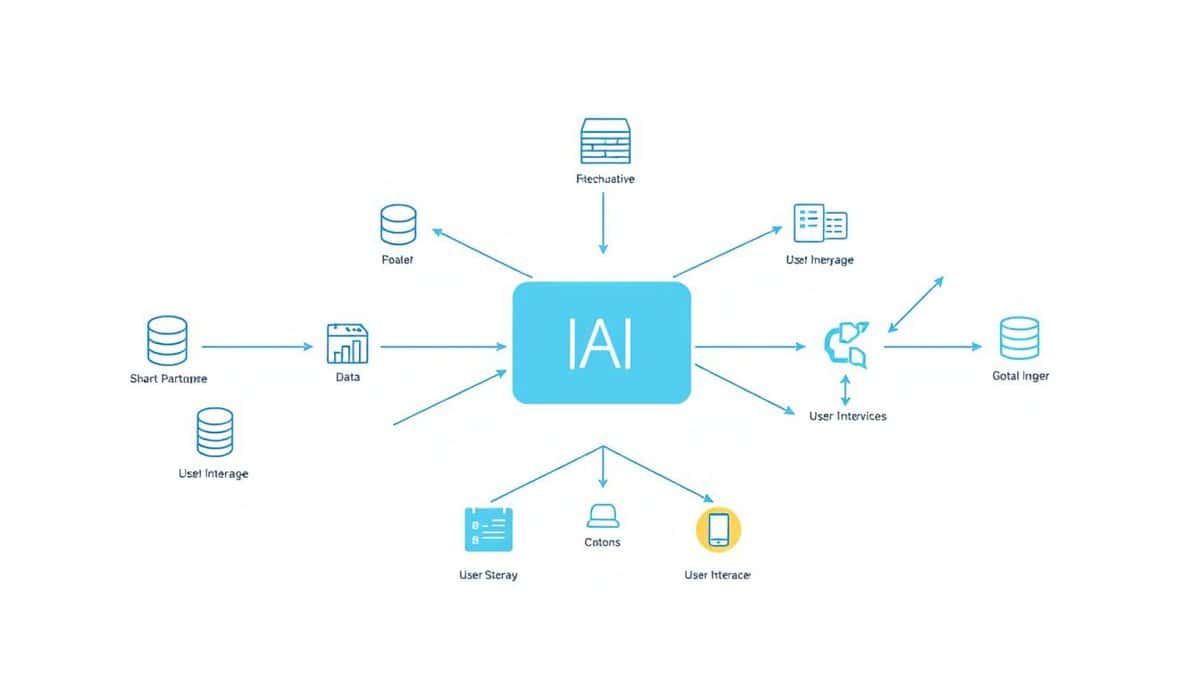
Have you ever wondered why some websites are so easy to use and others are not? It often comes down to a critical element: information architecture.
A persona card helps to check that the structure of a site matches how real users search, and a persona card template can list their typical tasks.
किसी उपयोगकर्ता-अनुकूल वेबसाइट या ऐप का निर्माण काफी हद तक उसकी सूचना संरचना (इन्फॉर्मेशन आर्किटेक्चर) पर निर्भर करता है। यह सुनिश्चित करता है कि उपयोगकर्ता बिना किसी परेशानी के नेविगेट कर सकें और अपनी ज़रूरत की चीज़ें पा सकें। इस परिचय में, हम देखेंगे कि सूचना संरचना का अर्थ क्या है और डिजिटल दुनिया में यह क्यों महत्वपूर्ण है, ताकि इसके विभिन्न पहलुओं और उनके अनुप्रयोग के बारे में गहराई से जानने के लिए आधार तैयार किया जा सके।
मुख्य बातें
- एक सुव्यवस्थित सूचना संरचना सुधार करती है प्रयोगकर्ता का अनुभव डिजाइन तैयार करने से सामग्री का संगठन सहज हो जाता है।
- Understanding the needs and behaviors of users is essential for effective information architecture.
- पांच उपयोगकर्ताओं के साथ गुणात्मक परीक्षण से 85% तक का पता लगाया जा सकता है। उपयोगिता समस्याएँ।
- Quantitative methods should involve at least 50 users for statistically significant results.
- कार्ड जैसे उपकरण और तकनीकें सॉर्टिंगट्री टेस्टिंग और फर्स्ट-क्लिक टेस्टिंग से आईए डिजाइन को बेहतर बनाया जा सकता है।
Understanding the Basics of Information Architecture
वेब डिज़ाइन में सूचना वास्तुकला (IA) महत्वपूर्ण भूमिका निभाती है। यह पुस्तकालय विज्ञान और वास्तुकला जैसे क्षेत्रों से ज्ञान प्राप्त करती है। IA में उपयोगकर्ता अनुसंधान, वायरफ्रेमिंग और डेटा मॉडलिंग शामिल हैं, जिनका उपयोग वेब डिज़ाइन को बेहतर बनाने के लिए किया जाता है। यूएक्स.
What is Information Architecture?
सूचना अभिकल्पना (IA) का उद्देश्य सूचना को समझने और उपयोग करने में आसान बनाना है। यह संज्ञानात्मक क्षमताओं का उपयोग करता है। मनोविज्ञान निर्णय लेने में सहायता के लिए। IA का उपयोग केवल वेब डिज़ाइन तक ही सीमित नहीं है, बल्कि संग्रहालयों, पुस्तकालयों या उत्पाद डिज़ाइन में भी होता है। उपयोगिता परीक्षण और उपयोगकर्ता साक्षात्कार जैसे कार्य जानकारी को स्पष्ट रूप से व्यवस्थित करने में सहायक होते हैं।
The Importance of Information Architecture
बेहतर उपयोगकर्ता अनुभव (UX) के लिए सूचना अभिकल्पना (IA) की भूमिका महत्वपूर्ण है। यह वह संरचना है जो उपयोगकर्ताओं को सामग्री को आसानी से खोजने और उससे जुड़ने में मदद करती है। सूचना अभिकल्पनाकार वेबसाइटों को उपयोगकर्ता-अनुकूल बनाने के लिए नेविगेशन और पदानुक्रम बनाते हैं। कार्ड सॉर्टिंग जैसी तकनीकें जानकारी खोजने और व्यवस्थित करने के तरीके को बेहतर बनाती हैं।
Information Architecture vs UX vs UI
IA, UX और UI आपस में संबंधित हैं लेकिन अलग-अलग हैं। IA जानकारी को व्यवस्थित करता है, जिससे वर्गीकरण के माध्यम से इसे उपयोग योग्य बनाया जा सके। UX का उद्देश्य IA की संरचना का उपयोग करके उपयोगकर्ता के अनुभव को संतोषजनक बनाना है। UI, IA के संगठन के आधार पर दृश्य शैली से संबंधित है। वायरफ्रेमिंग इन सभी क्षेत्रों को जोड़ता है और शोध के आधार पर लेआउट दिखाता है।
Key Elements of Effective Information Architecture
सहज वेबसाइटों और ऐप्स के निर्माण के लिए प्रभावी सूचना संरचना (IA) आवश्यक है। यह सामग्री को सुव्यवस्थित और लेबल करने का काम करती है। इससे उपयोगकर्ताओं के लिए इसे समझना आसान और सार्थक हो जाता है। इन मूलभूत तत्वों को जानना और उनका उपयोग करना वेबसाइट के प्रति उपयोगकर्ताओं की धारणा को बेहतर बनाने में महत्वपूर्ण भूमिका निभाता है। यह SEO और वेबसाइट की समग्र कार्यक्षमता को भी बढ़ाता है।
Classification
सामग्री का वर्गीकरण अच्छी सूचना संरचना का मूल आधार है। इसका अर्थ है जानकारी को स्पष्ट समूहों में व्यवस्थित करना। इससे संबंधित सामग्री को खोजना त्वरित और आसान हो जाता है। उदाहरण के लिए, एक समाचार वेबसाइट समान लेखों को समूहित करती है ताकि उपयोगकर्ता विषयों को शीघ्रता से खोज सकें। यह व्यवस्थित व्यवस्था उपयोगकर्ताओं को बेहतर तरीके से ब्राउज़ करने और खोजने में मदद करती है, जिससे उनका अनुभव बेहतर होता है।
Labeling
Good labeling clearly tells users what each category or content is about. Labels need to be simple, direct, and match what users are looking for. Using well-known terms helps users understand the content they’re accessing. With clear labels, navigation improves and users find what they need without confusion.
Navigation
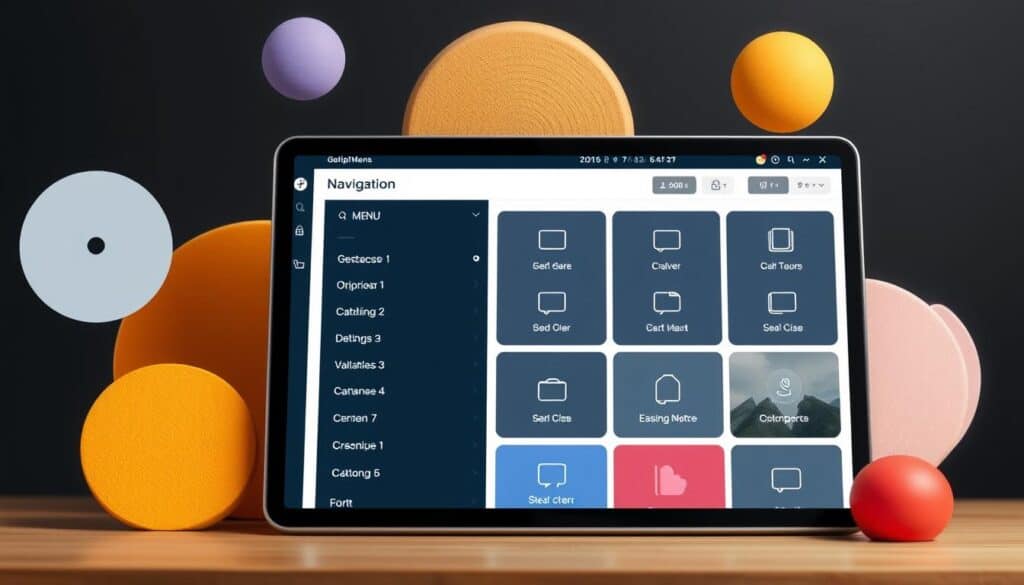
How a site is navigated is about setting up clear paths for users. This includes menus, breadcrumbs, and links for easy content access. Good navigation lowers bounce rates and keeps users coming back. It makes sure users can find information without a hitch.
खोज
खोज उपकरण उपयोगकर्ताओं को सामग्री तेज़ी से ढूंढने में मदद करते हैं। एक बेहतरीन खोज प्रणाली सटीक परिणाम शीघ्रता से प्रदान करती है। ऑटो-कंप्लीट, फ़िल्टर और वैयक्तिकृत सुझाव जैसी सुविधाएं खोज को और भी सुगम बनाती हैं। इससे उपयोगकर्ता की खोज तेज़ और कारगर हो जाती है।
In conclusion, focusing on classifying content, labeling well, navigating the site, and powerful search tools can make IA better. This not only makes the site easy to use but also boosts SEO and keeps users happy. Following these principles ensures your website or app is easy to use, accessible, and interesting for everyone.
Types of Information Architecture Design Structures
The way Information Architecture (IA) is structured can vary a lot. It depends on how complex the content is and what the users need. Knowing about different IA design patterns helps pick the best way to organize information.
Single Page Structure
Single page IA works best for sites with not much information, aiming at a single goal. It lets users get all the info they need without leaving the main page. Landing pages, portfolios, or startup sites often use this design.
Flat Structure
एक सपाट संरचना का अर्थ है कि साइट के पदानुक्रम में सभी पृष्ठ एक ही स्तर पर होते हैं। यह डिज़ाइन कुछ ही पृष्ठों वाली सरल साइटों के लिए उपयुक्त है, जैसे "होम", "हमारे बारे में" और "हमसे संपर्क करें"। इससे जटिल नेविगेशन के बिना ही चीज़ें ढूंढना आसान हो जाता है।
Strict Hierarchy Structure
A hierarchical structure has well-marked parent and child pages. It usually includes a home page, category pages, subcategory pages, and individual content pages. This design can handle complex information, guiding users deeper into the site to find what they need.
Multi-dimensional Hierarchy Structure
Multi-dimensional IA suits sites with lots of similar information well. This approach allows seeing information from different angles. It helps users cross-reference and navigate more easily, making the site more useful and engaging.
Choosing the right IA design pattern means thinking about what users need, what the site aims to do, and what the content is like. Using tools like content inventory and card sorting can make the chosen structure work better, improving how easy and effective it is to use. Below, see a table comparing each IA structure:
| IA Structure | Ideal For | Characteristics |
|---|---|---|
| Single Page | Small websites with a single focus | Simplified navigation, all content on one page |
| Flat Structure | Simple websites with few pages | All pages on the same level, easy access |
| Strict Hierarchy | Complex websites with multiple categories | Clearly defined parent-child relationships |
| Multi-dimensional Hierarchy | Content-rich websites needing cross-referencing | Multiple pathways, flexible navigation |
Steps to Develop a Robust Information Architecture
Creating a strong information architecture (IA) is crucial for smooth navigation in digital products. This involves key steps that match user goals and business objectives. By doing this, organizations can create a well-organized IA. This reduces the risk of failing, which is high at 78%. Also, it helps find any features that are not needed or not used much.

Understand User Goals
बेहतरीन सूचना संरचना बनाने में उपयोगकर्ता के लक्ष्यों को समझना पहला कदम है। यह जानना महत्वपूर्ण है कि उपयोगकर्ता उत्पाद से क्या चाहते हैं। यह साक्षात्कार और उपयोगकर्ता कहानियों के माध्यम से किया जा सकता है। इन लक्ष्यों को जानकर, सूचना संरचना उपयोगकर्ताओं को उनकी ज़रूरत की चीज़ें तेज़ी से खोजने में मदद कर सकती है। इससे उनका समग्र अनुभव बेहतर होता है।
Define Business Objectives
रूपरेखा तैयार करना भी महत्वपूर्ण है। business objectives. Clear business goals shape the IA to help the company’s aims. The IA must align with marketing plans, revenue models, and the company’s vision. This ensures everyone involved agrees on the product’s goals and how it works.
Conduct Competitor Analysis
A detailed competitor analysis is necessary to understand the market. It shows what competitors do well and where they can improve. Learning from them helps create a better IA. This is crucial for staying ahead by using best practices and avoiding errors.
Create a Content Inventory
Making a content inventory means listing all content in the product. This step identifies important content and finds any missing or unnecessary parts. An organized inventory makes content flow and management easier. It ensures users can access the information they need without trouble.
Apply Card Sorting for Content Classification
का उपयोग करते हुए card sorting is effective for setting up content based on user feedback. It shows how users categorize information. Card sorting helps make a logical structure that fits how users think, making the product more user-friendly. This method confirms that the final setup meets user expectations.
Design Navigation System & User Flows
Designing clear navigation design and user flows is essential. This means making a straightforward path for users within the product. Good navigation lets users easily find what they need. This supports different tasks like seeking specific items, exploring, or thorough research. The right navigation design improves user satisfaction and engagement.
Following these steps saves time and avoids miscommunication in the development team. A visually clear IA helps prioritize features and shows the effects of any changes. A solid IA creates a smooth digital experience that meets user needs and business goals.
Best Practices for Organizing Information
- Keep categories and labels consistent for clear, uniform understanding.
- Learn from users with tests and feedback, using card sorting and tree testing.
- Adapt the IA to changing user needs and business goals.
उपयोगकर्ता केंद्रित प्रभावी सूचना अभिक्रिया (IA) के लिए डिज़ाइन केंद्रीय महत्व रखता है। यह उपयोग करता है व्यक्तित्व उपयोगकर्ताओं को उनकी आवश्यकताओं के अनुरूप जानकारी, उत्पाद और सेवाएं प्रदान करना। इससे उपयोगकर्ता अनुभव में उल्लेखनीय सुधार होता है।

Organizing info requires detailed attention and adapting to new trends and feedback. Standard user research, like usability testing, offers valuable IA insights.
Using Prototyping Tools to Test Information Architecture
Prototyping tools are key in refining how information is structured. They help figure out if users can easily find and use a digital product. By using wireframes and interactive prototypes, designers learn a lot about the user experience.
Wireframing and Prototyping
Wireframing is the first step in prototyping. It creates a basic layout of a digital product. Tools like Figma, Adobe XD, and Sketch are great for this. These wireframes ensure users can follow the content easily.
Interactive Prototyping
Interactive prototyping adds dynamics to the design. It includes both simple and detailed models. Simple ones focus on layout, while detailed ones mimic the real user experience closely.
यह तरीका समस्याओं को शुरुआती चरण में ही पहचानने में मदद करता है। इससे डिज़ाइनर और अन्य संबंधित लोग उत्पाद के प्रदर्शन का परीक्षण कर सकते हैं। अंतिम उत्पाद बनने से पहले आवश्यक सुधार करने के लिए यह बेहद महत्वपूर्ण है।
Information Architecture Testing
Testing the info structure is a must in prototyping. It checks if users can achieve their goals smoothly. Through interactive prototypes, designers run tests to find issues in navigation and use. Tests include user studies and A/B testing.
Through ongoing testing and updating of prototypes, the design meets user needs and project aims. It ensures a design that people find easy and beneficial to use.
The Role of Information Architecture in SEO Structure
सूचना संरचना (IA) और सर्च इंजन ऑप्टिमाइजेशन (SEO) मिलकर किसी व्यवसाय की ऑनलाइन उपस्थिति को बेहतर बनाने का काम करते हैं। IA और SEO के बीच का संबंध बहुत महत्वपूर्ण है। यह Google जैसे सर्च इंजनों को किसी वेबसाइट को आसानी से ढूंढने, समझने और रैंकिंग देने में मदद करता है।
Having a well-thought-out IA makes a website easier to navigate, keeping visitors from leaving too quickly. Most searches online are looking for information. This means a well-organized website is key to a good user experience and SEO. Websites should be simple, with no more than four levels deep, to help both users and SEO.
| IA Strategy | SEO Benefit | UX Impact |
|---|---|---|
| Flat Architecture | Enhanced Crawlability | Improved Engagement |
| Clear Navigation | Higher SERP Rankings | Lower Bounce Rates |
| समर्पित श्रेणियाँ (उदाहरण के लिए, "नए उत्पाद") | Better Indexing | Increased User Interest |
| Consistent Labeling | Effective Indexing | Easier User Understanding |
Optimizing SEO structure begins with the right navigation labels. The importance of keyword research and SEO is often missed at first. But, these elements guide search engines to find relevant content, which helps with rankings.
सामग्री को केवल वर्णानुक्रम के आधार पर नहीं, बल्कि उपयोगकर्ताओं के लिए समझने योग्य तरीके से व्यवस्थित किया जाना चाहिए। उपयोगकर्ताओं के लिए वेबसाइट तक पहुँचने के तरीके को सरल बनाना और साइटमैप बनाना बहुत महत्वपूर्ण हो सकता है। इससे न केवल उपयोगकर्ता वेबसाइट पर बने रहते हैं, बल्कि सर्च इंजन के लिए भी यह देखना आसान हो जाता है कि वेबसाइट पर क्या महत्वपूर्ण है।
यह सुनिश्चित करना बेहद ज़रूरी है कि वेबसाइटें सभी के लिए सुलभ हों, जिनमें दिव्यांग व्यक्ति भी शामिल हैं। सही कोडिंग और टैग्स से न केवल ज़्यादा लोग जुड़ते हैं, बल्कि उपयोगकर्ता संतुष्टि भी बढ़ती है। और जब उपयोगकर्ता एक अच्छी तरह से बनी वेबसाइट पर ज़्यादा समय बिताते हैं, तो इससे एसईओ में मदद मिलती है।
Information Architecture in Different Contexts
सूचना वास्तुकला (IA) डिजिटल इंटरफेस को उपयोगकर्ता-अनुकूल बनाने की कुंजी है। चाहे वह वेबसाइट हो, मोबाइल ऐप हो या ई-कॉमर्स, प्रत्येक के लिए एक विशेष IA रणनीति की आवश्यकता होती है। इन रणनीतियों को उपयोगकर्ताओं की विशिष्ट आवश्यकताओं और लक्ष्यों को ध्यान में रखना चाहिए।
Information Architecture for Websites
For websites, organizing content is crucial. This makes it easier for users to navigate. A study found many terms were used for the same thing, stressing the need for consistency.
By using a consistent vocabulary, users find information faster. Feedback shows that clear guidelines help keep website IA on track. Treating each page as its own entrance can also boost user engagement.
Information Architecture for Mobile Apps
Mobile apps need simple and clear IA. This is because of the small screen sizes. Content should evolve and offer clear choices to users, following the Principle of Choices.
Removing confusion by using consistent terms helps.
Information Architecture for eCommerce Platforms
eCommerce IA focuses on making items easy to find, understand and compare. Labeling items in a way that makes sense to shoppers is important. This customization is key to fulfilling user needs and achieving business goals.
The Principle of Multiple Classification allows organizing products in various ways. This helps users navigate and make purchase decisions easier. ECommerce platforms must also be scalable to handle new items and user trends.
निष्कर्ष
सूचना संचार (IA) का सारांश यह है कि यह बेहतर उपयोगकर्ता अनुभव के लिए महत्वपूर्ण है। यह डिजिटल स्पेस को संरचित, उपयोग में आसान और प्रभावी बनाता है, जिससे संज्ञानात्मक भार कम होता है। इससे नए उपयोगकर्ता वफादार उपयोगकर्ता बन जाते हैं। पदानुक्रम, अनुक्रम और मैट्रिक्स जैसी संरचनाएं इसके लिए महत्वपूर्ण हैं।
Good IA means having clear labels, which leads to easy navigation for users. Navigation should be consistent and meet user needs, making their choices simpler. Also, strong search systems make it easier to find content. This emphasizes the need for usability testing and checking IA designs after launch.
अक्सर पूछे जाने वाले प्रश्न
What is Information Architecture?
Information Architecture (IA) is about organizing information to make it usable and findable. It helps users easily find and interact with content. This improves their experience on a website or an app.
How does Information Architecture differ from UX and UI?
IA सामग्री के संगठन से संबंधित है। UX उत्पाद की उपयोगिता और अनुभव पर केंद्रित है। UI उत्पाद के डिज़ाइन और इंटरैक्टिव भागों से संबंधित है। IA, UX और UI के लिए आधार तैयार करता है ताकि उत्पाद आकर्षक बन सकें।
What are the key elements of effective Information Architecture?
सूचना अभिकल्पना (IA) के महत्वपूर्ण भागों में वर्गीकरण और लेबलिंग शामिल हैं। ये जानकारी को समझने में आसान श्रेणियों में व्यवस्थित करने में मदद करते हैं। नेविगेशन उपयोगकर्ताओं को सामग्री आसानी से खोजने की सुविधा देता है। और खोज एक कुशल खोज प्रणाली के माध्यम से उपयोगकर्ताओं को उनकी इच्छित जानकारी खोजने में मदद करती है।
What types of design structures are used in Information Architecture?
हम सिंगल पेज और फ्लैट स्ट्रक्चर जैसे विभिन्न डिज़ाइन का उपयोग करते हैं। सख्त और बहुआयामी पदानुक्रम भी आम हैं। चुनाव उपयोगकर्ता की आवश्यकताओं और सामग्री की जटिलता पर निर्भर करता है।
What steps are involved in developing robust Information Architecture?
To build effective IA, understand user goals and business aims first. Analyze competitors, create a content list, and sort the content. Then, design a navigation system that guides users smoothly.
डेटा और सूचना आर्किटेक्चर पर बाहरी लिंक
अंतर्राष्ट्रीय मानक
(सामग्री का हमारा विवरण देखने के लिए लिंक पर होवर करें)
प्रयुक्त शब्दों की शब्दावली
Enterprise Resource Planning (ERP): एक ऐसा सॉफ्टवेयर समाधान जो वित्त, मानव संसाधन, विनिर्माण और आपूर्ति श्रृंखला सहित प्रमुख व्यावसायिक प्रक्रियाओं को एक एकीकृत प्रणाली में एकीकृत करता है, ताकि संचालन को सुव्यवस्थित किया जा सके, डेटा की सटीकता में सुधार किया जा सके और पूरे संगठन में निर्णय लेने की क्षमता को बढ़ाया जा सके।
User experience (UX): किसी उत्पाद, प्रणाली या सेवा के साथ बातचीत करते समय उपयोगकर्ता की समग्र संतुष्टि और धारणा, जिसमें संपूर्ण बातचीत प्रक्रिया के दौरान उपयोगिता, पहुंच, डिजाइन और भावनात्मक प्रतिक्रिया शामिल होती है।
User Interface (UI): एक ऐसी प्रणाली जो उपयोगकर्ताओं और सॉफ़्टवेयर अनुप्रयोगों के बीच अंतःक्रिया को सक्षम बनाती है, जिसमें उपयोगकर्ता कार्यों को सुगम बनाने और अनुभव को बेहतर बनाने के लिए दृश्य तत्व, नियंत्रण और समग्र लेआउट शामिल होते हैं।