Product Design, Manufacturing & Innovation Resources
بيت » Gamma Irradiation Sterilization

Gamma Irradiation Sterilization

1960
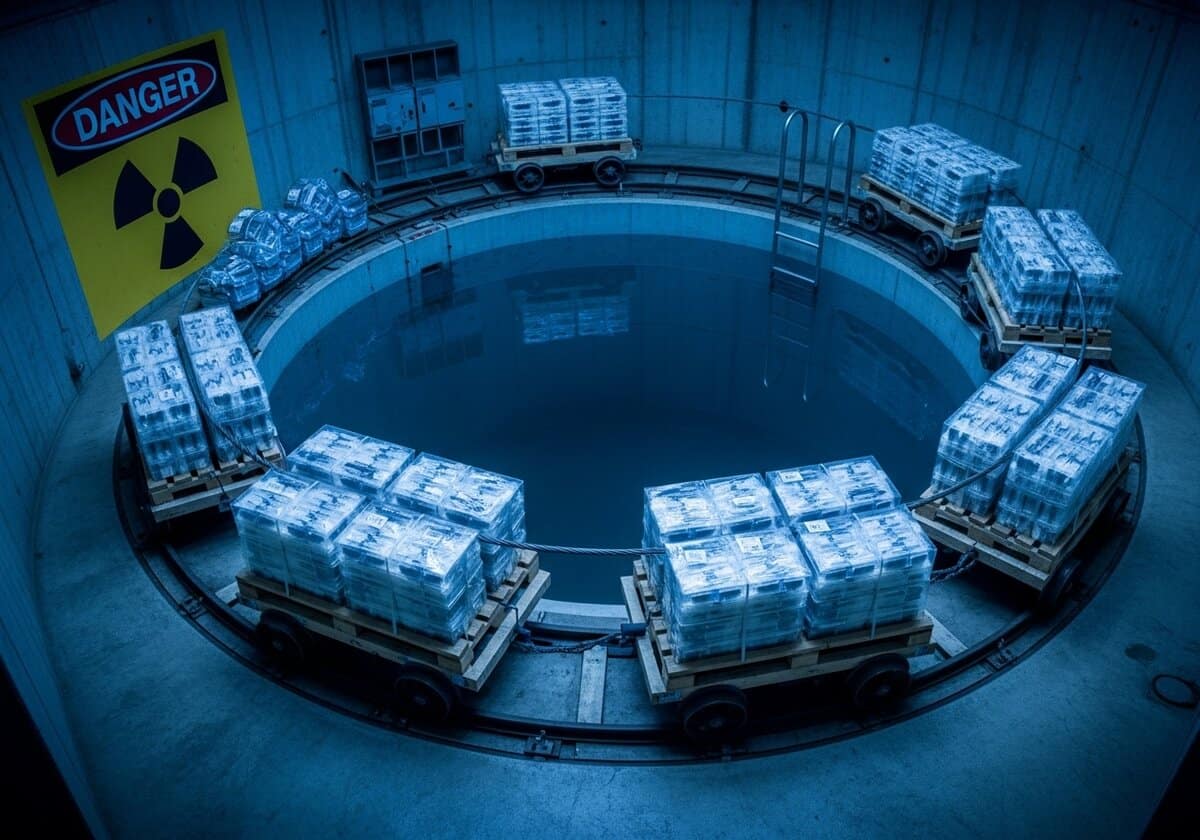
مبدأ التعقيم بأشعة جاما

(صورة توضيحية فقط)

وتستخدم هذه الطريقة فوتونات عالية الطاقة منبعثة من مصدر نظائر مشعة، عادةً كوبالت-60، لتعقيم المنتجات. وتمر أشعة غاما عبر المواد، مما يؤدي إلى خلق جذور حرة وتسبب تلفاً لا يمكن إصلاحه للحمض النووي الميكروبي، مما يؤدي إلى موت الخلايا. وهي عملية "باردة" مناسبة للمواد الحساسة للحرارة ويمكن إجراؤها على المنتجات الموجودة بالفعل في عبواتها النهائية المختومة.


Gamma irradiation sterilization is a form of ionizing radiation processing. The process utilizes gamma rays, which are a type of electromagnetic radiation with very short wavelengths and high energy, similar to X-rays but typically more energetic. The most common source for industrial sterilization is the radioisotope Cobalt-60 (⁶⁰Co). This isotope is produced in nuclear reactors and decays, emitting طاقة عالية gamma photons. Products to be sterilized are placed on a conveyor system and passed through a heavily shielded concrete chamber (an irradiator) where they are exposed to the gamma radiation field for a specific duration. The key principle of its sterilizing action is the transfer of energy to the molecules within the microorganisms. When gamma photons pass through matter, they cause ionization by stripping electrons from atoms, creating highly reactive species such as free radicals (e.g., hydroxyl radicals from water). These free radicals indiscriminately attack and damage critical cellular components, with the most significant target being the الميكروبات DNA. The radiation can cause single- and double-strand breaks in the DNA backbone, rendering the microorganism unable to replicate or perform vital cellular functions, leading to its death. A major advantage of gamma radiation is its high penetrating power, allowing it to sterilize products that are already sealed in their final packaging, thus preventing recontamination. This is known as terminal sterilization. The process is ‘cold,’ generating very little heat, which makes it suitable for heat-sensitive materials like plastics, pharmaceuticals, and biological tissues. The dose of radiation delivered is measured in kiloGrays (kGy), and a typical dose for sterilizing medical devices is 25 kGy, which is sufficient to achieve a [latex]10^{-6}[/latex] SAL.

تم وضع الأساس العلمي لهذه التكنولوجيا من خلال اكتشاف هنري بيكريل للنشاط الإشعاعي في عام 1896 والعمل اللاحق على الآثار البيولوجية للإشعاع. وقد تم التعرف على إمكانية استخدام الإشعاع المؤين لقتل الكائنات الحية الدقيقة في أوائل القرن العشرين. ومع ذلك، لم يصبح التعقيم بأشعة غاما على نطاق صناعي ممكناً من الناحية الاقتصادية والعملية إلا في حقبة ما بعد الحرب العالمية الثانية، مع تطوير المفاعلات النووية القادرة على إنتاج كميات كبيرة من النظائر المشعة مثل الكوبالت-60. وتم بناء أول جهاز تشعيع بأشعة غاما التجارية للمنتجات الطبية في أواخر الخمسينيات من القرن الماضي. وقد أحدثت هذه التكنولوجيا ثورة في صناعة الإمدادات الطبية من خلال تمكين التعقيم النهائي الموثوق به على نطاق واسع للأجهزة المعبأة مسبقاً ذات الاستخدام الواحد مثل المحاقن والخيوط الجراحية والقسطرة، والتي أصبحت الآن منتشرة في كل مكان في مجال الرعاية الصحية.

UNESCO Nomenclature: 2210
- الفيزياء النووية

يكتب

العملية الفيزيائية

خلل

ثوري

الاستخدام

استخدام واسع النطاق

مقدمات

  • discovery of radioactivity by henri becquerel
  • isolation of radium by marie and pierre curie
  • فهم تأثيرات الإشعاع المؤين على المادة البيولوجية
  • development of nuclear reactors for producing isotopes like cobalt-60

التطبيقات

  • sterilization of disposable medical supplies (gloves, syringes)
  • food irradiation to extend shelf life and kill pathogens
  • decontamination of cosmetics and pharmaceuticals
  • sterilization of tissue grafts for transplantation

براءات الاختراع:

NA

أفكار ابتكارية محتملة

  • portable, low-dose gamma irradiators for point-of-care sterilization of specific medical instruments
  • development of radiation-sensitizing chemicals that can be applied to products to lower the required gamma dose, preserving material integrity
  • use of gamma irradiation to break down prions, the infectious proteins responsible for diseases like creutzfeldt-jakob disease
  • integration of gamma sources into waste management systems to sterilize and neutralize hazardous biological waste
  • gamma irradiation facilities powered by next-generation, safer radioisotopes or advanced x-ray machine sources
  • development of ‘smart’ dosimeters that provide a high-resolution map of the radiation dose received by a complex product
  • using gamma irradiation to create novel polymer materials with enhanced properties through radiation-induced cross-linking
  • sterilization of 3d-printed food for long-duration space missions
  • combining gamma irradiation with modified atmosphere packaging to further extend the shelf life of fresh produce
  • on-demand gamma sterilization services using mobile irradiator trucks for agricultural or emergency response needs
ذات صلة بـ: التشعيع بأشعة غاما، التعقيم، الكوبالت-60، الإشعاع المؤين، الأجهزة الطبية، تشعيع الأغذية، تلف الحمض النووي، الجذور الحرة، التعقيم النهائي، عملية التبريد.

السياق التاريخي

Gamma Irradiation Sterilization

1960
1960
1960
1960
1960
1960
1960
1959-11
1960
1960
1960
1960
1960
1960
1960

(إذا كان التاريخ غير معروف أو غير ذي صلة، على سبيل المثال "ميكانيكا الموائع"، يتم توفير تقدير تقريبي لظهوره الملحوظ)

أحدث الإضافات

أهم المنشورات والمقالات

أفضل الأدوات الأصلية

السنة العاشرة عيد

الصور والتنزيلات بالحجم الكامل متاحة فقط، ومجانية تمامًا، للأعضاء المسجلين.