Product Design, Manufacturing & Innovation Resources
بيت » Blockbuster Drug Model

Blockbuster Drug Model

1980
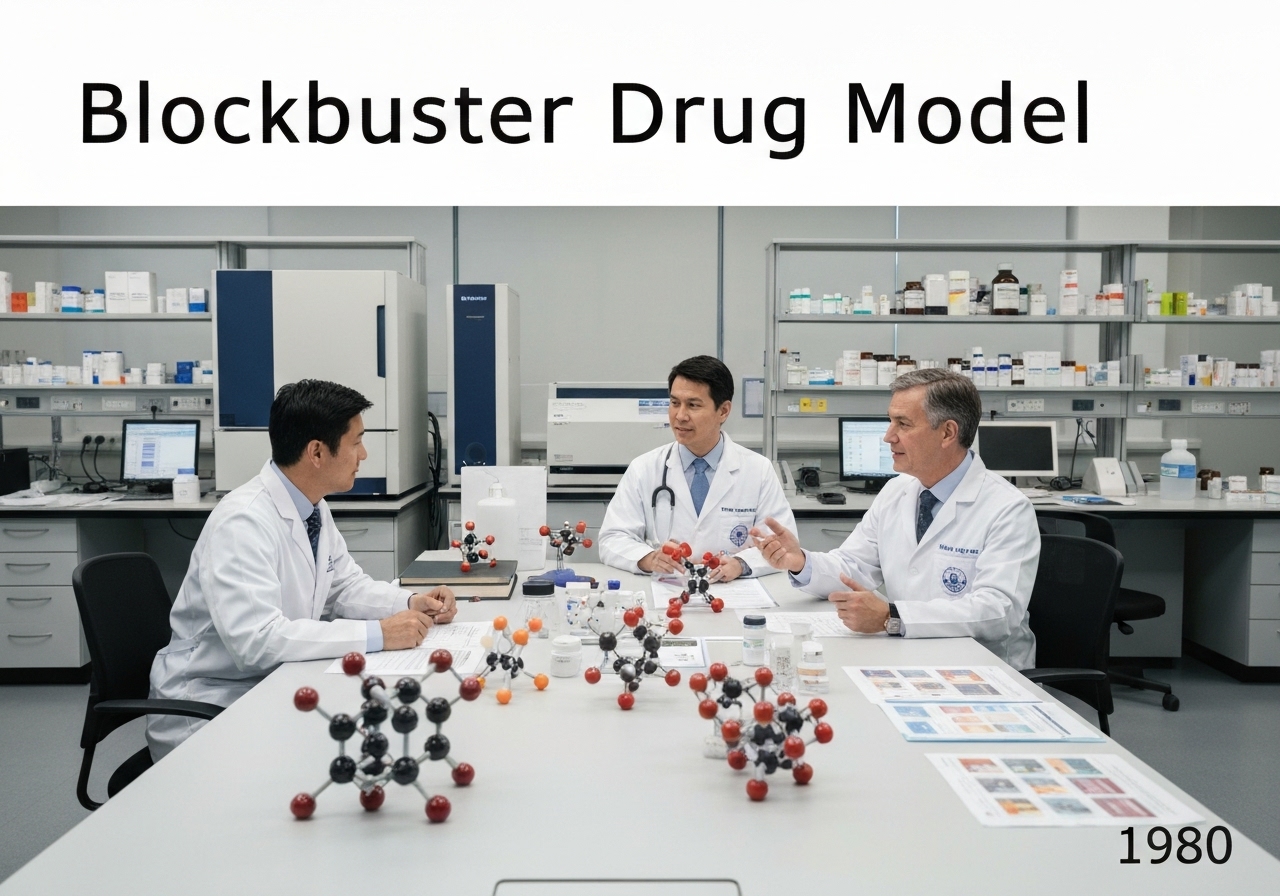
مختبر أبحاث صيدلانية متخصص في تطوير الأدوية الرائجة.

(صورة تم إنشاؤها للتوضيح فقط)

"الدواء الرائج" هو منتج صيدلاني يدر أكثر من $1 مليار دولار أمريكي من المبيعات السنوية للشركة المصنعة له. وقد قاد نموذج العمل هذا تاريخيًا صناعة الأدوية تاريخيًا، حيث يركز البحث والتطوير على الحالات الشائعة والمزمنة لزيادة الإيرادات المحمية ببراءات الاختراع إلى أقصى حد. تمول هذه الإيرادات المزيد من البحث والتطوير للأدوية الجديدة، مما يخلق دورة من الابتكار والأرباح العالية.


The blockbuster model became the dominant strategy for large pharmaceutical companies in the late 20th century. The model relies on developing and patenting a drug that can treat a widespread chronic condition, such as high cholesterol (e.g., Lipitor), acid reflux (e.g., Prilosec), or depression (e.g., Prozac). Once approved, the company launches a massive marketing campaign aimed at both physicians and consumers (in countries where direct-to-consumer advertising is legal). The goal is to achieve widespread prescription and capture a large market share. The drug’s patent provides a period of market exclusivity, typically 20 years from the filing date, during which the company can charge high prices without competition from generic versions. The enormous profits generated during this period are used to recoup the substantial R&D investment—often exceeding $1 billion per approved drug—and to fund the development of the next generation of potential blockbusters. However, this model faces significant challenges. The “low-hanging fruit” of common diseases has largely been addressed, making new discoveries more difficult. Increased pressure from payers (governments and insurance companies) to control costs, and the looming “patent cliff” (when patents for multiple blockbuster drugs expire around the same time), have forced the industry to reconsider this strategy. Many companies are now shifting towards developing more specialized, high-value drugs for smaller patient populations, such as orphan drugs for rare diseases or personalized cancer therapies, which can command even higher prices per patient.

UNESCO Nomenclature: 5312
- اقتصاديات التغير التكنولوجي

يكتب

النظام التجريدي

الاضطراب

تزايدي

الاستخدام

الاستخدام الواسع النطاق

السلائف

  • the bayh-dole act (1980) in the us, which encouraged commercialization of university research
  • the hatch-waxman act (1984), which established the modern system of patent extensions and generic drug approvals
  • advances in molecular biology that enabled rational drug design for common disease targets
  • growth of managed care and large-scale insurance payers

التطبيقات

  • business strategy for major pharmaceutical companies (big pharma)
  • funding mechanism for large-scale r&d programs
  • marketing and sales strategies targeting large patient populations
  • justification for high drug prices during patent life

براءات الاختراع:

NA

أفكار ابتكارات محتملة

بسبب عمليات جمع البيانات من خلال برامج الروبوت، والتي تتجاوز حاليًا 40 ألفًا يوميًا، فإن هذا المحتوى مخصص لأعضاء المجتمع فقط.
> تسجيل الدخول < أو > سجل < (مجاني 100٪) للوصول إلى هذا، وكذلك جميع المحتويات والأدوات الأخرى المقيدة.

ذات صلة ب: الأدوية الرائجة، اقتصاديات الأدوية، اقتصاديات الأدوية، شركات الأدوية الكبرى، جرف براءات الاختراع، أسعار الأدوية، البحث والتطوير، التسويق، ليبيتور، الملكية الفكرية، الأدوية الجنيسة.

السياق التاريخي

Blockbuster Drug Model

1960
1970
1980
1980
1986
1990
1992
1960
1965
1970
1980
1983
1990
1992
1994

(إذا كان التاريخ غير معروف أو غير ذي صلة، على سبيل المثال "ميكانيكا الموائع"، يتم توفير تقدير تقريبي لظهوره الملحوظ)

الاختراع والابتكار والمبادئ التقنية ذات الصلة

الصور بالحجم الكامل والتنزيلات متاحة فقط 100% مجاناً للأعضاء المسجلين.