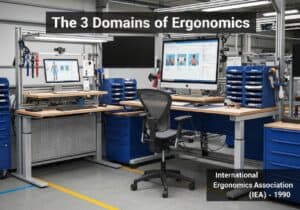
A software tool designed to conduct in-depth 人类工程学的 对工作和任务进行评估。
如何使用
该工具引导用户对诸如用力、姿势和重复等风险因素进行全面分析,提供量化的风险评分和改进建议。
优点
提供标准化和数据驱动的人体工程学评估方法,帮助确定高风险工作的优先顺序,并促进符合人体工程学标准。
缺点
需要培训才能有效使用,获得许可可能很昂贵,评估的准确性取决于输入数据的质量。
类别
人体工程学, 人力资源, 风险管理
最适合:
进行详细的定量人体工程学风险评估。
The Advanced Assessment Tool (Velocity EHS Ergonomics) is commonly utilized in various sectors such as manufacturing, healthcare, logistics, and construction, where human interaction with tools and machinery poses ergonomic risks. It is particularly effective during the design phase of products and workflows, allowing teams to scrutinize and optimize 人为因素 before implementation, which can reduce injury rates and enhance productivity. Participants in using this tool often include safety officers, ergonomists, engineers, and operational managers, who collaborate to identify high-risk jobs through the tool’s detailed analysis of factors like repetitive motion and awkward postures. The quantitative risk scores provided by the tool serve as a benchmark for evaluating the effectiveness of implemented changes over time, making it easier to measure improvements. Moreover, this data-driven approach aids organizations in maintaining compliance with industry-specific ergonomic standards, thereby minimizing liability and enhancing employee well-being. Companies can leverage the insights gained from the tool to foster a culture of continuous improvement and proactive safety management, which can lead to sustainable business practices and a more engaged workforce.