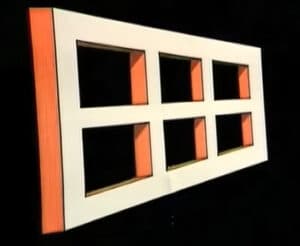
艾姆斯窗和艾姆斯房间错觉
艾姆斯窗口是一种经典的视错觉,由美国科学家小阿德尔伯特·艾姆斯在20世纪40年代创造。
People have fixed limits. Reach, grip strength, reaction time, working memory and attention are measurable, and a design that ignores them invites error. Human factors engineering starts from those measurements and adapts the product, the task and the workplace to the person.
 The selection here goes beyond 人体测量学 tables. The Ames window and Ames room demonstrate how easily depth perception is fooled. The Steffen 登机法 shows what sequencing does to a crowd in a confined space. A piece on humanoid robots asks whether copying the human body is sound design or habit.
Other entries touch 拆卸 effort in consumer electronics and an art clock installed at Schiphol airport. Applied methods are filed under 可用性 和 安全.
艾姆斯窗口是一种经典的视错觉,由美国科学家小阿德尔伯特·艾姆斯在20世纪40年代创造。

这些画面可能是专门为视频拍摄的,也可能是真实的,不管怎样都挺有趣的。下次有人提倡更多居家办公时,看看
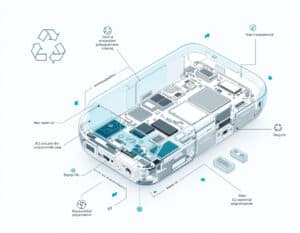
Introduction: From Design for Manufacture to Design for End-of-Life Design for disassembly is becoming essential in consumer electronics to meet
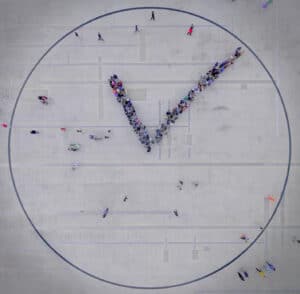
Maarten Baas’s People’s Clock is a permanent art installation unveiled in April 2026 in Lounge 1 of Amsterdam Schiphol Airport,
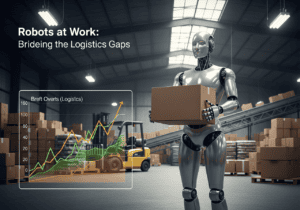
Humanoid robotics faces a critical need for function-driven design over market-driven assumptions.[/caption] By mid-2026, humanoid robotics has become one of

From Aviation Science to Industrial Sequencing: the Steffen Boarding Method. Sequencing problems are among the oldest and most persistent challenges

Our smiling view on today’s news: A space agency is moving its massive rocket back to the launch platform in

When drones permits views that even helicopters would not. Our top picks. World First Everest Skiing from Summit without Oxygen

Artemis-II 任务标志[/caption] 虽然不能说是登月,但至少是绕月飞行。在 USB 卡内

This week: storage device, sample container carriers, handling mechanism, accessibility data, information processing, virtual input device, surrounding environment, user interaction,