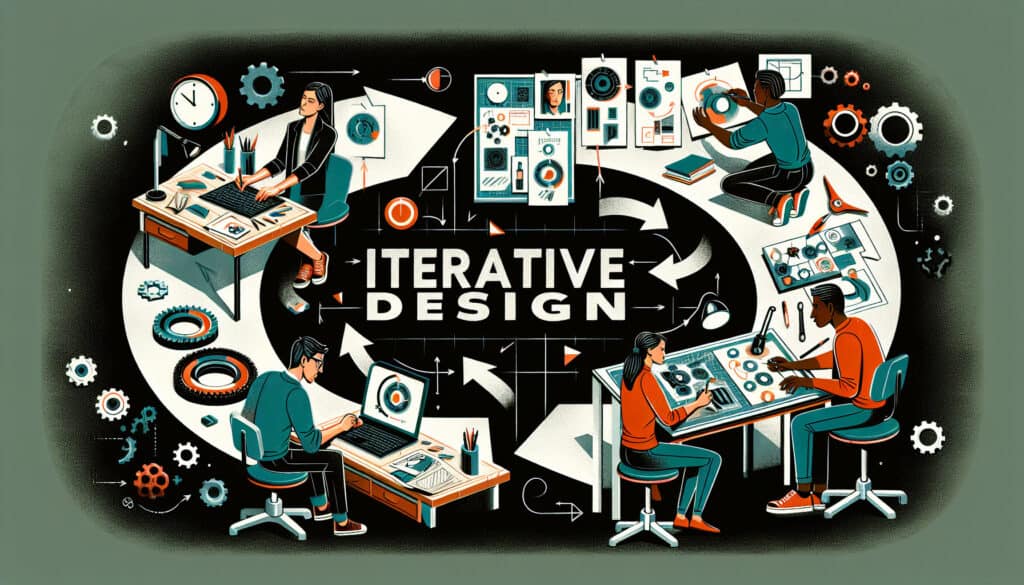
迭代设计 is particularly beneficial in industries such as consumer electronics, automotive, software development, and healthcare, where rapid technological advancements and user preferences are constantly evolving. This methodology is typically employed during the product development phase, where designers and engineers collaborate with end-users to create multiple versions of a product, each refined based on user feedback,
可用性 studies, and testing results. By initiating this process, cross-functional teams including designers, product managers, engineers, and marketing representatives engage in brainstorming sessions that encourage creative solutions to user problems. For example, in software development, beta testing phases are a form of Iterative Design where software can undergo multiple rounds of revisions based on user interactions, ultimately leading to a more polished final product. In the consumer electronics sector, companies like Apple and Samsung often release prototypes to small user groups to gather detailed feedback on design, functionality, and user experience before launching the final version. This approach not only accelerates innovation but also minimizes the risk of market failure since real user expectations and experiences are considered in each iteration, allowing teams to pivot quickly in response to feedback without substantial resource investment in a single untested design.