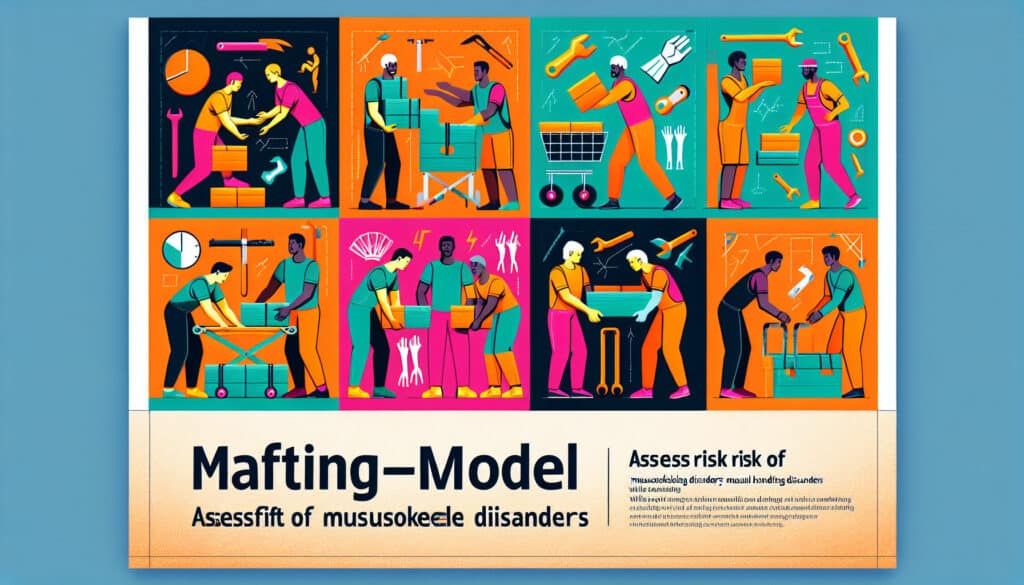
The Lifting-Moving-Model (LMM) methodology serves as a valuable tool for industries where manual handling of objects is prevalent, such as warehousing, construction, healthcare, and manufacturing. It is particularly beneficial during the design and assessment phases of task workflows, where ergonomic evaluations can significantly influence modifications that enhance worker safety and productivity. Participants in this process may include ergonomists, safety engineers, production managers, and occupational health specialists who collectively analyze lifting and moving tasks to identify risks associated with musculoskeletal disorders. The methodology encourages data collection on various factors, including load weight, duration of task exposure, and worker posture, enabling quantitative risk assessments that allow organizations to prioritize interventions effectively. LMM can be applied not only for evaluating existing tasks but also when designing new operations or workstations, ensuring that ergonomics is integrated from the beginning of the design process. This results in lowered injury rates, improved compliance with safety regulations, and can lead to potential cost savings by reducing workers’ compensation claims and increasing overall efficiency. Industries adopting LMM can benefit from its comparative risk analysis capabilities, allowing them to evaluate and improve the ergonomics of multiple tasks systematically.