지속적인 개선, 제조를 고려한 설계(DfM), 인간 공학, 인간적 요소, 인간공학(HFE), 프로세스 개선, 위험 분석, 위험 관리, 안전
목적:
수동 작업과 관련된 근골격계 질환 위험을 평가하기 위한 모델.
사용 방법:
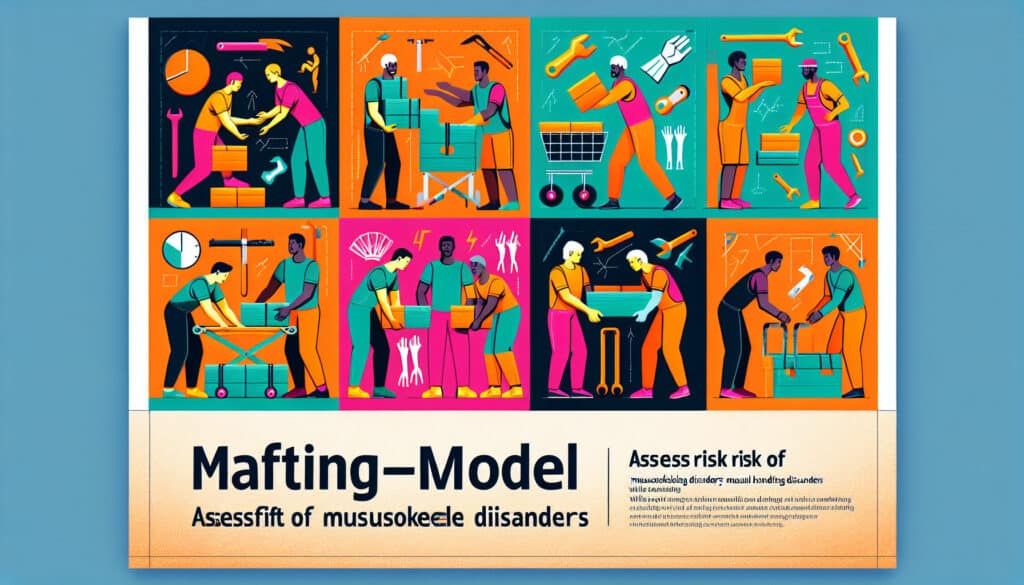
물건을 들어 올리고 옮기는 작업과 관련된 근골격계 질환 위험을 평가하는 데 사용되는 모델입니다. 이 모델은 물체의 무게, 이동 거리, 작업자의 자세 등 여러 요소를 고려합니다.
장점
위험을 정량적으로 측정할 수 있으며, 서로 다른 작업의 위험도를 비교하는 데 사용할 수 있습니다.
단점
사용하기 복잡할 수 있으며 특수 소프트웨어가 필요할 수 있습니다. 또한, 완전한 인체공학적 평가만큼 정확하지 않을 수 있습니다.
카테고리:
인간 공학, 위험 관리
다음과 같은 경우에 가장 적합합니다:
물건을 들어 올리고 옮기는 작업의 위험성을 평가하여 추가 작업의 우선순위를 정합니다. 인체공학적 평가.
The Lifting-Moving-Model (LMM) methodology serves as a valuable tool for industries where manual handling of objects is prevalent, such as warehousing, construction, healthcare, and manufacturing. It is particularly beneficial during the design and assessment phases of task workflows, where ergonomic evaluations can significantly influence modifications that enhance worker safety and productivity. Participants in this process may include ergonomists, safety engineers, production managers, and occupational health specialists who collectively analyze lifting and moving tasks to identify risks associated with musculoskeletal disorders. The methodology encourages data collection on various factors, including load weight, duration of task exposure, and worker posture, enabling quantitative risk assessments that allow organizations to prioritize interventions effectively. LMM can be applied not only for evaluating existing tasks but also when designing new operations or workstations, ensuring that ergonomics is integrated from the beginning of the design process. This results in lowered injury rates, improved compliance with safety regulations, and can lead to potential cost savings by reducing workers’ compensation claims and increasing overall efficiency. Industries adopting LMM can benefit from its comparative risk analysis capabilities, allowing them to evaluate and improve the ergonomics of multiple tasks systematically.
이 방법론의 주요 단계
평가 대상이 되는 들어올리기 및 이동 작업을 파악하고 정의하십시오.
들어 올리거나 이동시키려는 물체의 무게를 측정하십시오.
들어올리거나 이동할 때 수평 및 수직 거리를 측정하십시오.
작업 중 작업자의 자세를 평가하고 관절 각도를 기록하십시오.
물건을 들어 올리거나 옮기는 작업의 빈도와 지속 시간을 평가하십시오.
기존 공식을 사용하여 리프팅-이동 모델 위험 점수를 계산합니다.
계산된 위험 점수를 기준으로 작업의 순위를 매겨 우선순위를 정합니다.
프로 팁
실시간 모니터링 기술을 통합하십시오. 의복 센서를 사용하여 리프팅 메커니즘 및 작업자 자세에 대한 동적 데이터를 캡처함으로써 LMM 애플리케이션의 정밀도를 향상시킵니다.
LMM을 사용하여 민감도 분석을 수행하여 위험 결과에 가장 큰 영향을 미치는 변수를 파악하고, 이러한 변수를 대상으로 인체공학적 개입을 효과적으로 실시합니다.
Leverage comparative risk assessment by applying LMM to historical task data, enabling prioritization of high-risk tasks for redesign or training interventions.