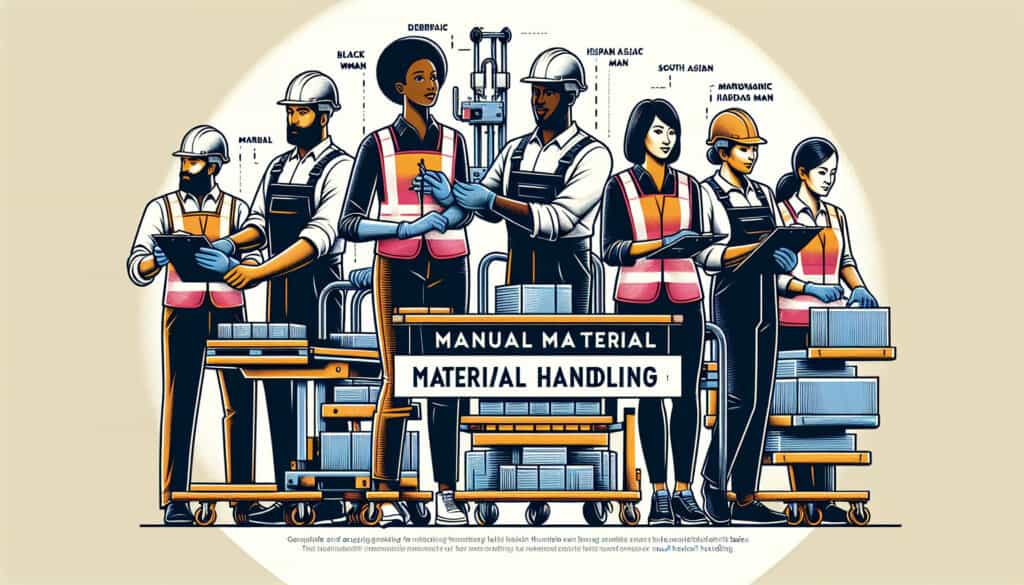
The Liberty Mutual Manual Material Handling Tables, often referred to as Snook Tables, provide a standardized approach to assessing and mitigating risks associated with manual handling tasks. These tables derive their recommendations from psychophysical research, which examines human capabilities and limitations in the context of lifting, lowering, pushing, pulling, and carrying objects. Common applications include workplace ergonomics assessments across various industries such as manufacturing, warehousing, healthcare, and construction, where manual handling is prevalent. In project phases involving task design or risk assessment, ergonomists, health and safety professionals, and industrial engineers often utilize these tables to establish safe weight limits in manual handling tasks, thereby enhancing worker safety and productivity. The involvement of personnel from human resources and occupational health is also crucial, as they can help implement training and develop policies based on the insights rendered from the tables. The primary advantage of employing the Snook Tables lies in their scientifically validated metrics, which provide objective guidance for developing safer handling procedures. This broad acceptance in industry not only helps companies comply with safety regulations but also supports initiatives aimed at reducing musculoskeletal disorders among employees. The application of these tables often leads organizations to engage in continuous improvements and reassessments of their manual handling protocols, ensuring long-term safety and efficiency in operational practices.
该方法的关键步骤
确定人工搬运任务及其具体要求。.
参考斯努克表确定可接受的最大重量和力。.
评估任务中的姿势和动作。.
评估人工搬运活动的频率和持续时间。.
考虑环境因素,如表面条件和空间限制。.
根据表格中的分析结果对设计进行修改。.
测试修改后的任务是否符合人体工程学标准。.
监测员工的反馈,并在必要时调整设计。.
专业提示
将针对特定任务的风险评估与斯努克表结合起来,以考虑工人的个体特征,如身高和体力。.
通过参考最新的人体工程学研究和实地调查,定期更新和验证提升和搬运建议。.
Utilize feedback loops from employees during task observations to refine and adapt manual handling guidelines for various job roles.