Product Design, Manufacturing & Innovation Resources

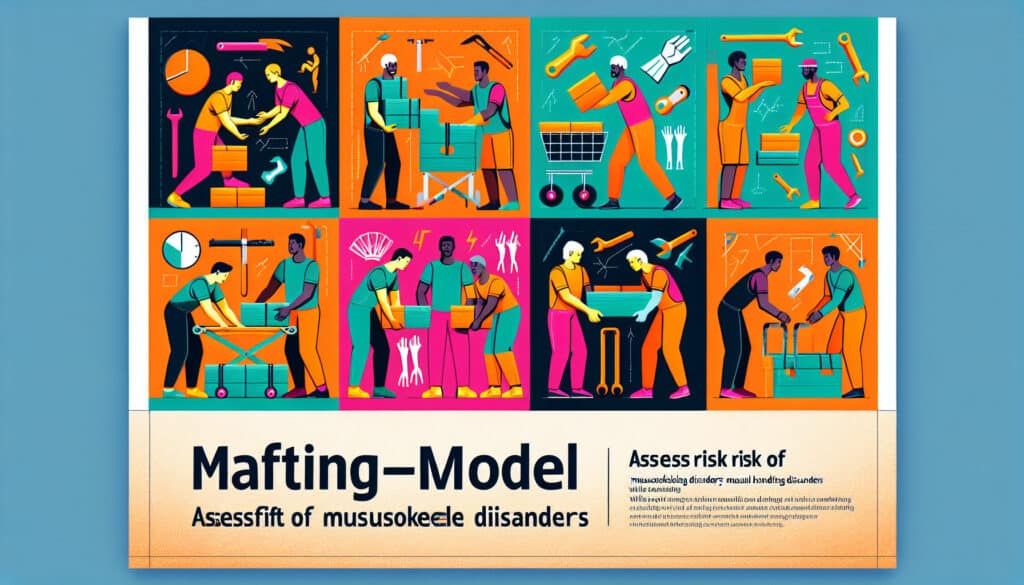
Lifting-Moving-Model (LMM)

Lifting-Moving-Model

Lifting-Moving-Model (LMM)

Objective:

نموذج لتقييم مخاطر اضطرابات الجهاز العضلي الهيكلي المرتبطة بمهام المناولة اليدوية.

How it’s used:

الايجابيات

سلبيات

Categories:

الأفضل لـ:

The Lifting-Moving-Model (LMM) methodology serves as a valuable tool for industries where manual handling of objects is prevalent, such as warehousing, construction, healthcare, and manufacturing. It is particularly beneficial during the design and assessment phases of task workflows, where ergonomic evaluations can significantly influence modifications that enhance worker safety and productivity. Participants in this process may include ergonomists, safety engineers, production managers, and occupational health specialists who collectively analyze lifting and moving tasks to identify risks associated with musculoskeletal disorders. The methodology encourages data collection on various factors, including load weight, duration of task exposure, and worker posture, enabling quantitative risk assessments that allow organizations to prioritize interventions effectively. LMM can be applied not only for evaluating existing tasks but also when designing new operations or workstations, ensuring that ergonomics is integrated from the beginning of the design process. This results in lowered injury rates, improved compliance with safety regulations, and can lead to potential cost savings by reducing workers’ compensation claims and increasing overall efficiency. Industries adopting LMM can benefit from its comparative risk analysis capabilities, allowing them to evaluate and improve the ergonomics of multiple tasks systematically.

Key steps of this methodology

  1. حدد وعرّف مهام الرفع والنقل التي سيتم تقييمها.
  2. حدد وزن الجسم الذي يتم رفعه أو نقله.
  3. قم بقياس المسافة الأفقية والرأسية للرفع أو النقل.
  4. قم بتقييم وضعية العامل أثناء أداء المهمة، مع ملاحظة زوايا المفاصل.
  5. قم بتقييم تكرار ومدة مهمة الرفع أو النقل.
  6. احسب درجة مخاطر نموذج الرفع والنقل باستخدام الصيغ المعتمدة.
  7. قم بترتيب المهام بناءً على درجات المخاطر المحسوبة لتحديد الأولويات.

نصائح احترافية

  • دمج تقنيات المراقبة في الوقت الفعلي، مثل wearable أجهزة الاستشعار، لالتقاط البيانات الديناميكية حول آليات الرفع ووضعيات العمال، مما يعزز دقة تطبيقات LMM.
  • قم بإجراء تحليلات حساسية باستخدام نموذج LMM لتحديد المتغيرات التي تؤثر بشكل أكبر على نتائج المخاطر واستهداف تلك المتغيرات للتدخلات المريحة بشكل فعال.
  • Leverage comparative تقييم المخاطر by applying LMM to historical task data, enabling prioritization of high-risk tasks for redesign or training interventions.

To read and compare several methodologies, we recommend the

> Extensive Methodologies Repository  <
together with the 400+ other methodologies.

Your comments on this methodology or additional info are welcome on the comment section below ↓ , so as any engineering-related ideas or links.

السياق التاريخي

1941
1986
1990
2000
1950
1990
1990

(إذا كان التاريخ غير معروف أو غير ذي صلة، على سبيل المثال "ميكانيكا الموائع"، يتم توفير تقدير تقريبي لظهوره الملحوظ)

أحدث الإضافات

أهم المنشورات والمقالات

أفضل الأدوات الأصلية

السنة العاشرة عيد

الصور والتنزيلات بالحجم الكامل متاحة فقط، ومجانية تمامًا، للأعضاء المسجلين.