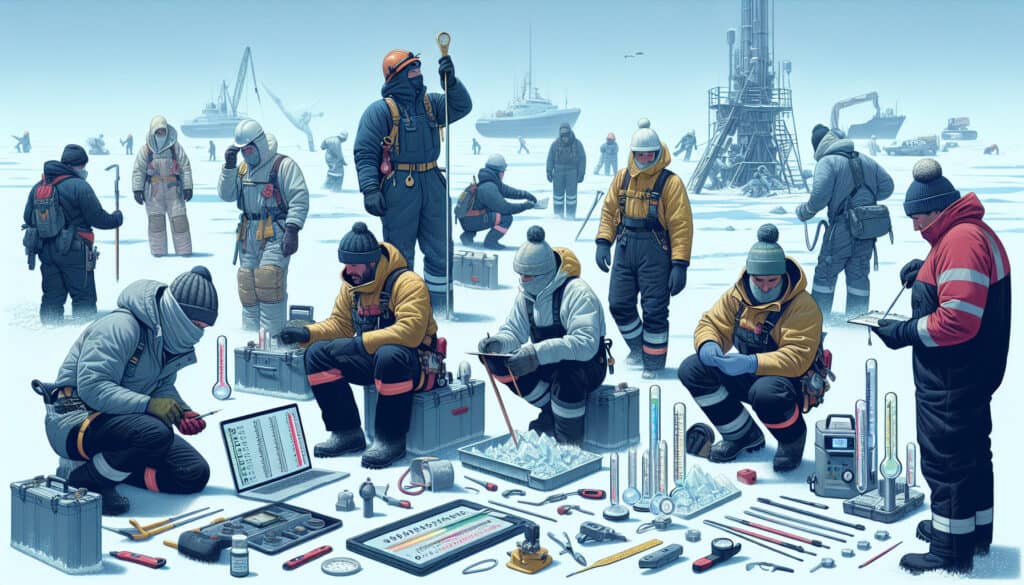
Cold Stress Indices, such as the Wind Chill Index and the Insulated Clothing (ICL) model, serve as invaluable tools in various industries, particularly those involving outdoor work or environments with extreme temperatures, such as construction, agriculture, and winter sports management. These indices not only quantify the risks posed by cold exposure but also integrate specific environmental conditions, making them indispensable during the 风险评估 phase of safety planning. Initiated by safety officers, health professionals, or environmental engineers, the application of these indices involves collaboration among workers, occupational safety experts, and management to accurately gauge the thermal stress on personnel. In sectors like emergency response and military operations, real-time use of these indices can inform decisions on shifting tasks or altering schedules to minimize exposure. The benefits include providing a consistent framework for evaluating cold-related hazards, enhancing the selection process for suitable protective clothing to ensure optimal warmth and mobility, and establishing best practices for work procedures tailored to varying temperatures and conditions. Training sessions based on these indices can promote awareness among workers regarding cold stress, further aiding in the adoption of preventive measures. Their implementation can significantly reduce the incidence of cold-related illnesses, thereby improving workplace safety and efficiency.