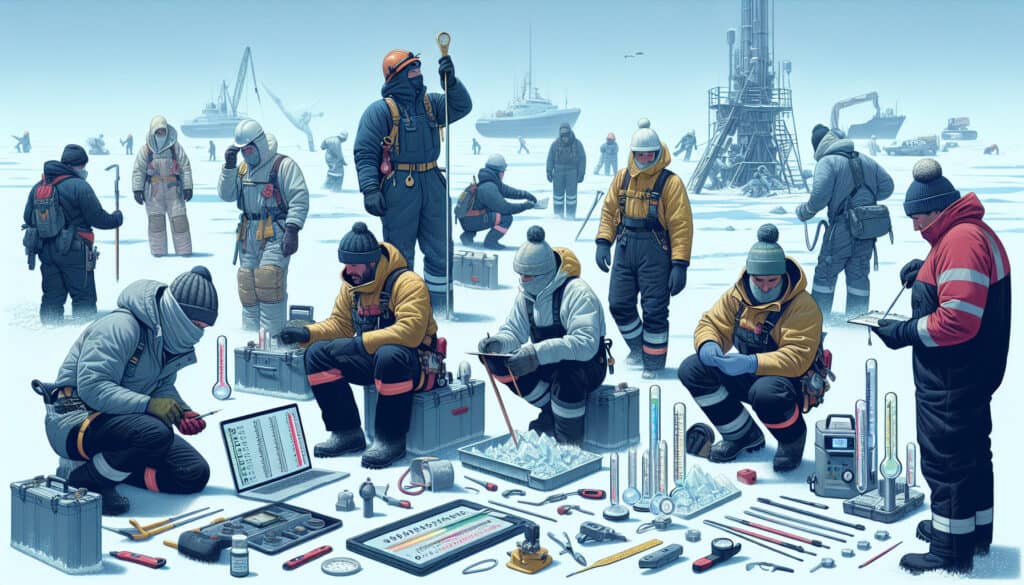
풍냉 지수나 단열복(ICL) 모델과 같은 이러한 지표들은 온도와 풍속 같은 환경 요소를 결합하여 작업자가 겪는 열적 어려움을 나타내는 단일 값을 제공합니다.
장점
추위 관련 위험을 평가하는 표준화된 방법을 제공하고, 적절한 보호복을 선택하는 데 도움을 주며, 안전한 작업 관행의 시행을 안내합니다.
단점
계산이 복잡할 수 있고, 모든 개인적 요인(예: 건강 상태)을 고려하지 못할 수 있으며, 올바르게 적용하려면 전문가의 판단이 필요한 지침입니다.
카테고리:
인간 공학, 인사부, 위험 관리
다음과 같은 경우에 가장 적합합니다:
추운 환경에서 일하는 근로자의 위험 수준을 평가하여 추위 관련 건강 문제를 예방합니다.
Cold Stress Indices, such as the Wind Chill Index and the Insulated Clothing (ICL) model, serve as invaluable tools in various industries, particularly those involving outdoor work or environments with extreme temperatures, such as construction, agriculture, and winter sports management. These indices not only quantify the risks posed by cold exposure but also integrate specific environmental conditions, making them indispensable during the risk assessment phase of safety planning. Initiated by safety officers, health professionals, or environmental engineers, the application of these indices involves collaboration among workers, occupational safety experts, and management to accurately gauge the thermal stress on personnel. In sectors like emergency response and military operations, real-time use of these indices can inform decisions on shifting tasks or altering schedules to minimize exposure. The benefits include providing a consistent framework for evaluating cold-related hazards, enhancing the selection process for suitable protective clothing to ensure optimal warmth and mobility, and establishing best practices for work procedures tailored to varying temperatures and conditions. Training sessions based on these indices can promote awareness among workers regarding cold stress, further aiding in the adoption of preventive measures. Their implementation can significantly reduce the incidence of cold-related illnesses, thereby improving workplace safety and efficiency.
이 방법론의 주요 단계
바람이 부는 환경에서는 체감온도 지수(Wind Chill Index)를, 의복의 효과를 평가할 때는 보온 의류 모델(Insulated Clothing model)을 사용하는 등 특정 조건에 맞는 적절한 한랭 스트레스 지수를 선택하십시오.
작업 환경에 적합한 온도 및 풍속 값을 결정합니다.
선택한 저온응력지수 계산 모델에 이러한 환경 매개변수를 입력하십시오.
열적 문제를 평가하기 위해 저온 응력 지수 값을 구하십시오.
생성된 지수 값을 설정된 위험 임계값 또는 지침과 비교하십시오.
지표 결과를 바탕으로 기존 보호복의 적절성을 평가하십시오.
평가 결과를 바탕으로 작업 방식을 수정하거나 보호 조치를 강화하십시오.
프로 팁
지역 기상 데이터를 활용하여 특정 환경에 맞게 지수를 보정함으로써 체감온도 지수와 ICL 모델이 지역 조건을 정확하게 반영하도록 합니다.
일반적인 모델을 넘어서 개별 작업자의 특성(예: 신진대사율 및 의복 단열)을 고려하여 맞춤형 위험 평가를 수행하십시오.
저온 스트레스 연구의 발전 사항을 바탕으로 프로토콜을 정기적으로 검토 및 업데이트하고, 새로운 연구 결과를 통합하여 작업자 안전 조치를 강화합니다.