Product Design, Manufacturing & Innovation Resources

مؤشرات الإجهاد الناتج عن البرد

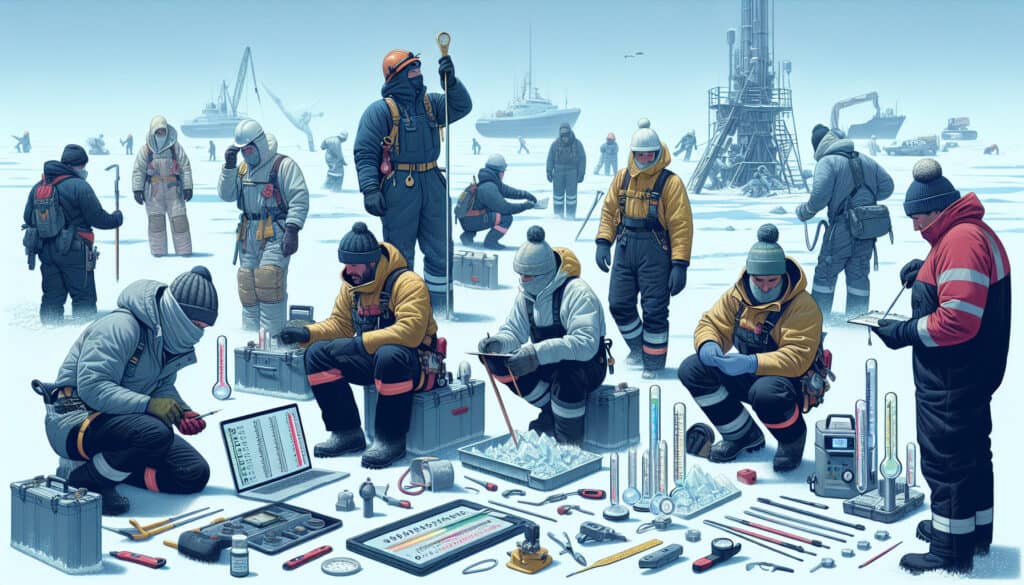
Technician developing cold stress indices to enhance workplace safety and prevent cold-related health risks.

مؤشرات الإجهاد الناتج عن البرد

Objective:

الأدوات والإرشادات المستخدمة لتقييم مخاطر الإصابات والأمراض المرتبطة بالبرد في مكان العمل.

How it’s used:

الايجابيات

سلبيات

Categories:

الأفضل لـ:

Cold Stress Indices, such as the Wind Chill Index and the Insulated Clothing (ICL) model, serve as invaluable tools in various industries, particularly those involving outdoor work or environments with extreme temperatures, such as construction, agriculture, and winter sports management. These indices not only quantify the risks posed by cold exposure but also integrate specific environmental conditions, making them indispensable during the تقييم المخاطر phase of safety planning. Initiated by safety officers, health professionals, or environmental engineers, the application of these indices involves collaboration among workers, occupational safety experts, and management to accurately gauge the thermal stress on personnel. In sectors like emergency response and military operations, real-time use of these indices can inform decisions on shifting tasks or altering schedules to minimize exposure. The benefits include providing a consistent framework for evaluating cold-related hazards, enhancing the selection process for suitable protective clothing to ensure optimal warmth and mobility, and establishing best practices for work procedures tailored to varying temperatures and conditions. Training sessions based on these indices can promote awareness among workers regarding cold stress, further aiding in the adoption of preventive measures. Their implementation can significantly reduce the incidence of cold-related illnesses, thereby improving workplace safety and efficiency.

Key steps of this methodology

  1. اختر مؤشر الإجهاد البارد المناسب بناءً على الظروف المحددة، مثل مؤشر برودة الرياح للبيئات التي تتعرض لبرودة الرياح أو نموذج الملابس المعزولة لتقييم فعالية الملابس.
  2. حدد قيم درجة الحرارة وسرعة الرياح ذات الصلة ببيئة العمل.
  3. أدخل هذه المعايير البيئية في نموذج حساب مؤشر الإجهاد البارد المختار.
  4. احصل على قيمة مؤشر الإجهاد البارد لتقييم التحدي الحراري الموجود.
  5. قارن قيمة المؤشر المُولّد مع عتبات المخاطر أو الإرشادات المُعتمدة.
  6. قم بتقييم مدى كفاية الملابس الواقية الحالية في ضوء نتائج المؤشر.
  7. قم بتطبيق تعديلات على ممارسات العمل أو تعزيز التدابير الوقائية بناءً على نتائج التقييم.

نصائح احترافية

  • استخدم البيانات المناخية المحلية لمعايرة المؤشرات للبيئات المحددة، مما يضمن أن يعكس مؤشر برودة الرياح ونموذج ICL الظروف المحلية بدقة.
  • قم بإدراج خصائص العامل الفردية، مثل معدل الأيض وعزل الملابس، لتخصيص تقييمات المخاطر بما يتجاوز النماذج العامة.
  • مراجعة وتحديث البروتوكولات بانتظام بناءً على التطورات في أبحاث الإجهاد الناتج عن البرد، ودمج النتائج الجديدة لتعزيز تدابير سلامة العمال.

To read and compare several methodologies, we recommend the

> Extensive Methodologies Repository  <
together with the 400+ other methodologies.

Your comments on this methodology or additional info are welcome on the comment section below ↓ , so as any engineering-related ideas or links.

السياق التاريخي

1991
1992
1993
1994
1997
1998
1999-05-01
1990
1992
1992
1993-07-22
1996
1998
1999
2000

(إذا كان التاريخ غير معروف أو غير ذي صلة، على سبيل المثال "ميكانيكا الموائع"، يتم توفير تقدير تقريبي لظهوره الملحوظ)

أحدث الإضافات

أهم المنشورات والمقالات

أفضل الأدوات الأصلية

السنة العاشرة عيد

الصور والتنزيلات بالحجم الكامل متاحة فقط، ومجانية تمامًا، للأعضاء المسجلين.