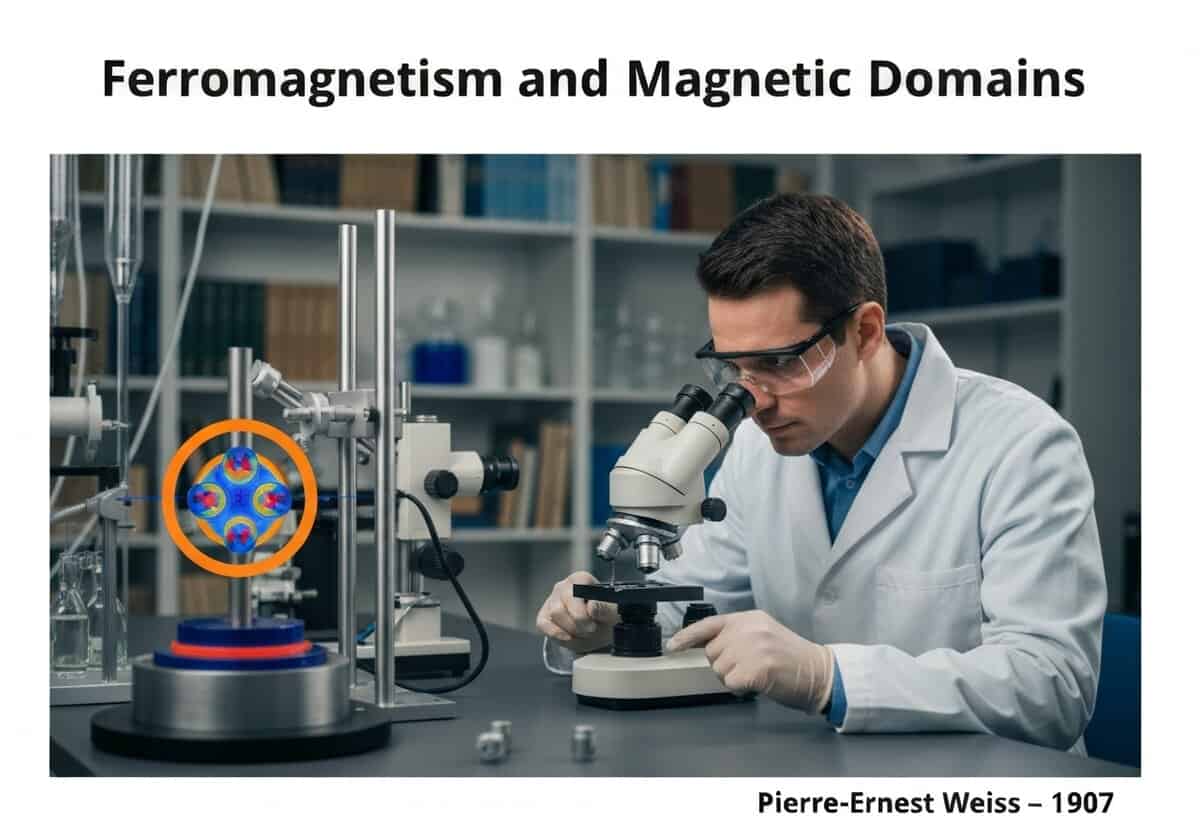
When an external magnetic field is applied, two processes can occur: the domains that are already aligned with the field can grow at the expense of their neighbors (domain wall motion), and the magnetic moments within other domains can rotate to align with the external field. When the external field is strong enough, nearly all domains become aligned, and the material is said to be saturated. For hard magnetic materials, this alignment can persist even after the external field is removed, creating a permanent 磁铁. This persistence is called remanence. The strength of the reverse field needed to demagnetize the material is called its coercivity.