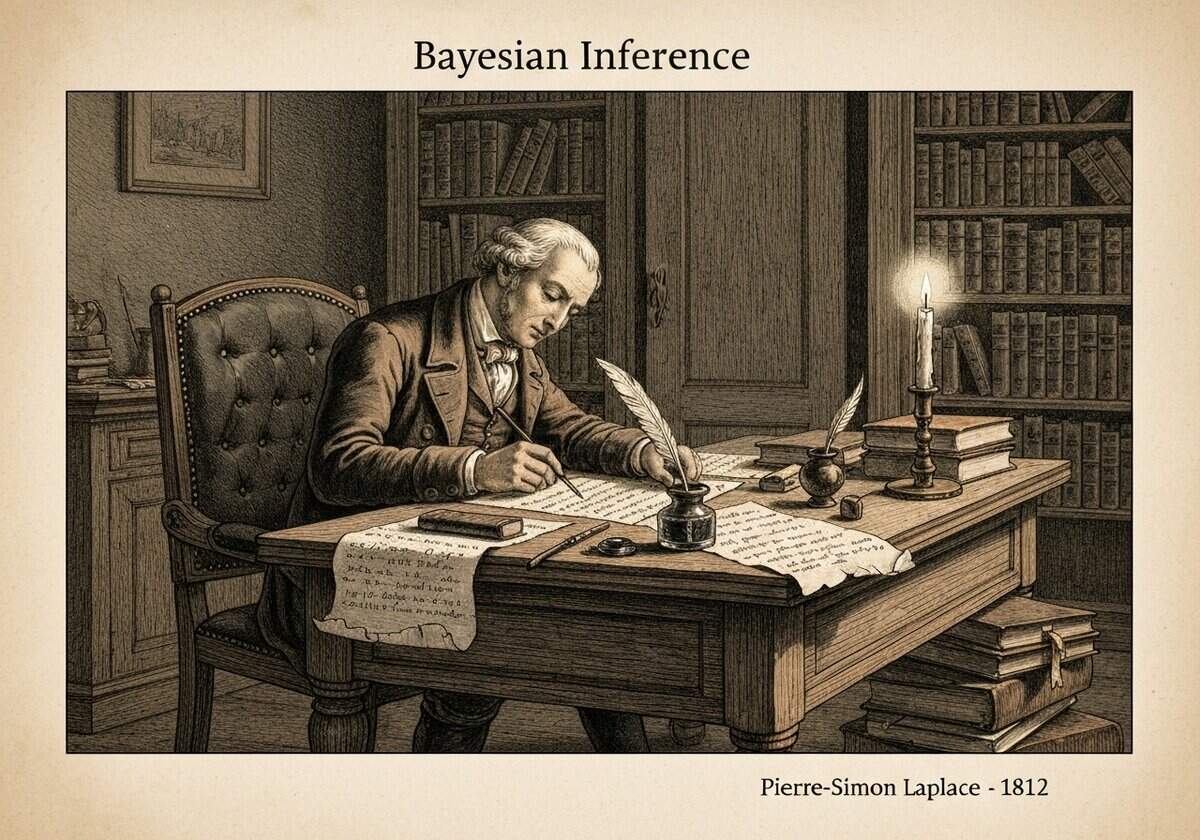
This approach fundamentally differs from frequentist inference, which assumes parameters are fixed, unknown constants and calculates the probability of data given these parameters. Bayesian inference, in contrast, provides a probability distribution for the parameters themselves, which allows for direct probabilistic statements about them, such as ‘there is a 95% probability that the parameter lies in this range.’ This interpretability is a key advantage. The main historical challenge was computational; calculating the posterior often requires solving complex integrals, a problem largely overcome in the late 20th century with the advent of powerful computers and 算法 喜欢 MCMC.