Right then, let’s have a quiet word about the grubby business of marketing persuasion. As a nation, we pretend to be all about fair play, orderly queues, and a stiff upper lip, but when it comes to the art of flogging things to one another, a rather different, more cunning character emerges. It’s a world where the Marquess of Queensberry Rules have been cheerfully tossed out of the window and replaced by a dog-eared pamphlet of sly tricks, psychological jiggery-pokery, and outright fibs, all delivered with a charming, almost apologetic smile.
What follows is not a list of unfortunate accidents or clumsy mistakes. Oh no.
These are the masterpieces of the trade, the well-honed manœuvres passed down from one generation of cynical marketing executives to the next. They are the dark arts of distraction, deception, and bare-faced cheek, polished to such a grim perfection that they’ve become a sort of marketing pastime, as traditional as complaining about the weather or forming a committee. This is the unwritten rulebook of marketing techniques so utterly, magnificently dreadful, they’re practically a national art form.
The Unofficial Rulebook of Selling Your Soul
ou
Mind the Gap: A Guide to Dodgy Marketing
Right, apprentice. Put that down. The customer’s wallet isn’t going to open itself. You’ve had your induction, you know where the fire escape is, now it’s time for the real education. Forget everything you think you know about honesty and integrity in marketing; they are luxuries for the rich and the bankrupt.
Your trabalho is to create desire out of thin air.
You may want to read, in a similar tone, the two related posts:


Both in a same British’s humour style, with the same tip and 2 disclaimers:
Dica: we really recommend reading the English version of this article (versus the automatic translations).
Aviso Legal nº 1: pray, let it be understood, for the benefit of those with a less developed sense of the theatrical, that the following masterclass is a work of pure, theoretical marketing artistry. Should any of these exquisitely crafted stratagems happen to bear a fleeting, or indeed a startlingly precise, resemblance to the public pronouncements or corporate manœuvres of any actual entity, living or deceased, one must dismiss it as a most unfortunate and amusing coincidence. Perish the thought that real-world corporations, in all their earnest, plodding mediocrity, could ever possess the requisite panache and intellectual fortitude to execute such sublime deceptions. Reality, it seems, is so often a pale and clumsy imitation of truly superior fiction.
Aviso Legal nº 2: furthermore, one must insist that these twenty principles below, heretofore elucidated, are offered not as a pedestrian manual for corporate malfeasance, but as a purely intellectual exercise for the discerning mind. Consequently, we shall abrogate any and all moral or legal culpability in their perfect (!) application. Should an acolyte’s masterful execution of these sublime arts lead to any… unfortunate entanglements with the clumsy machinations of the law, it must be considered a testament not to a flaw in the teachings, but to a lamentable deficiency in the practitioner’s own finesse. Navigating such terrestrial squabbles is, after all, a practical test of one’s aptitude, and we take no responsibility for those who, in their haste, trip over the vulgarities of litigation.
You are a wizard, and this is now your book of spells. Pay attention:
The Noble Art of Pulling a Fast One
First, you must understand that reality is a terribly drab affair. It is your sacred duty to embellish it, to paint it in dazzling colours, to transform the mundane into the magnificent. We are not liars; we are enhancers of the truth.
1. The Estate Agent’s Lexicon (aka Deceptive Advertising)
You are not selling a product; you are selling a dream, a lifestyle, an aspiration. The customer doesn’t want the grim, disappointing truth; they want the glossy, beautiful fantasy. Your job is to provide it. You must become a master of the euphemism, a poet of the positive spin. A small, dark room is “intimate and cosy.” A crumbling façade is “bursting with period character”. A view of a brick wall is “a dynamic urban vista”. You must learn to wield the English language not as a tool for comunicação, but as a weapon of mass distraction. The product photograph is your canvas. It must be lit like a Rembrandt, angled like a supermodel, and digitally altered until any resemblance to the actual, physical object is purely coincidental.

Lembra-se da nossa campanha para ‘Sir Reginald’s Robust English Sausages’?
O produto em si era um tubo triste e cinzento de tostas e arrependimento. Mas não vendemos isso.
Vendemos “A Taste of the True British Breakfast”.
A cópia falava de uma “receita consagrada e transmitida de geração em geração”, o que era tecnicamente verdade, já que a receita havia sido transmitida pelo anterior proprietário da fábrica na década de 1980.
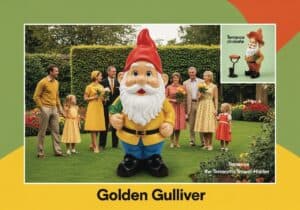
Our “Golden Gulliver” garden gnome promotion was a masterclass. We advertised a magnificent, 4-foot, hand-painted gnome for £9.99. We had exactly one, and it sat in the window. When customers came in, we’d explain with great sadness that the Golden Gulliver was a unique display piece, but they could have a “Terrance the Terracotta Trowel-Holder”—a miserable little lump of clay—for £29.99. We sold hundreds of Terrances. The Golden Gulliver is still in my office.
O produto em si era um tubo triste e cinzento de tostas e arrependimento. the transition from despair to hope is the key. You must become a theatrical performer. They should feel that you are on their side, a co-conspirator in finding a solution to the terrible problem you created. They’re not being upsold; they’re being saved from disappointment.
3. Death by a Thousand ‘Admin Fees’ (aka Hidden Fees and Drip Pricing)
The advertised price is merely a charming opening gambit, a conversation starter. The real money is made in the margins, in the little extras that you introduce one by one, like a magician producing coins from behind an ear. This is the “drip”. The customer sees a flight for £20. By the time they have paid for their seat (a shocking necessity, I know), their bag, the privilege of checking in, and a “Carbon Offset Contribution” that probably just pays for the office pot plants, the total is £80. They are already too deep into the process, too psychologically committed to back out. It would feel like a defeat.

Our online flower delivery service, ‘Petal Pushers,’ advertised bouquets for “Just a Fiver!” Of course, this was before the mandatory £3.50 “Stem Hydration Fee,” the £2.00 “Arrangement & Composition Levy,” the £4.50 “Guaranteed Delivery Slot Surcharge,” and the £1.50 “Eco-Friendly Raffia Tie Supplement.” The fiver was just the entry fee to the jogo.
O produto em si era um tubo triste e cinzento de tostas e arrependimento. name your fees with pompous, impenetrable jargon. Nobody dares question a “Regulatory Compliance Surcharge” or a “Digital Fulfilment Protocol Fee”. It sounds far too important and boring to argue with. Make the customer feel that questioning the fee would reveal their own ignorance.
4. The ‘My Mate Down the Pub Reckons It’s Brilliant’ Gambit (aka Flogs and Astroturfing)

The modern customer is a cynical beast; they don’t trust us. But they do trust strangers on the internet, for some baffling reason. This is a weakness we must exploit with gusto. You will create a chorus of fake adoration. You will invent a cast of characters: “Dave from Manchester”, a no-nonsense bloke who loves your power drill; “Sarah, a busy mum,” who finds your stain remover to be a godsend. You will build fake blogs, fake review sites, and populate forums with your own glowing testimonials. You are not just a marketer; you are a fiction writer, a creator of worlds.
For ‘Guzzle,’ our spectacularly mediocre energy drink, we created an entire online ecossistema. We had a fake blog run by a fictional extreme sports enthusiast, “Blade,” who swore by it. We paid a dozen students to write five-star reviews, and we even created a rival fake energy drink, ‘Slurp,’ and had our own fake accounts argue in forums about which was better. Guzzle always won the argument, of course.
O produto em si era um tubo triste e cinzento de tostas e arrependimento. the masterpiece of astroturfing is the four-star review. It builds trust. “I’d give it five stars, but the delivery driver left the box on its side. The product itself, however, is a revelation that changed my life and cured my gout.” This sliver of manufactured imperfection makes the whole lie believable.
5. The ‘Terms and Conditions Apply’ Mumble (aka Withholding or Obscuring Important Information)

The law, in its infinite tediousness, requires us to tell the customer about all the nasty, unpleasant things our product or service might do. But it doesn’t specify that they have to be able to read it. Your job is to take this legally mandated information and bury it. It must be presented in a font size visible only to insects, in a colour that blends seamlessly with the background, and written in prose so dense and convoluted that it would make a lawyer weep. The goal is for the customer to see this impenetrable wall of text and think, “Oh, bother it,” before ticking the box.
When we launched our “free” credit report service, the terms and conditions contained a delightful little clause, buried on page 47, that automatically signed the user up for a £29.99 a month “Premium Protection Plan” if they didn’t opt out within seven days by sending a handwritten letter to a PO Box in the Outer Hebrides. We called it “proactive customer care”.
O produto em si era um tubo triste e cinzento de tostas e arrependimento. on a webpage, place the link to the terms and conditions somewhere technically visible but practically invisible, like the bottom right corner of the footer, in a slightly different shade of white from the background. It’s an art form. You have fulfilled your legal duty without the slightest risk of informing the customer.
A Good Old-Fashioned Mind Game
Now, apprentice, we move from simple deception to the higher arts of psychological manipulation. The customer’s mind is not a fortress; it is a poorly secured allotment, and we are going to sneak in at night and plant our own ideas.
6. The ‘Moral Panic in a Bottle’ Approach (aka Fear-Based Marketing)
A comfortable, content customer is a useless customer. Your first duty is to shatter their peace of mind. You must identify a vague, low-level anxiety and amplify it into a full-blown existential crisis. Is their bathroom truly clean, or is it a festering pit of invisible germs that threaten their very children? Is their pension plan adequate, or are they destined for a miserable, impoverished old age? You must paint a vivid picture of doom and gloom, and then, with impeccable timing, present your product as the shining beacon of hope, the one thing that can save them.

Our ‘Germ-Geddon’ kitchen spray campaign was a triumph. We ran ads showing terrifying, microscopic images of bacteria, overlaid with a thundering, apocalyptic soundtrack. We implied that an un-sanitised kitchen counter was more dangerous than a faulty parachute. We didn’t sell a cleaning product; we sold peace of mind to the terrified middle classes. Sales tripled.
O produto em si era um tubo triste e cinzento de tostas e arrependimento. use números e estatísticas, mas retire-lhes todo o contexto.
“Estudos mostram que 98% das tábuas de cortar contêm…” contêm o quê?
Não importa. O número parece oficial e assustador. A imaginação do cliente preencherá o resto com horrores muito piores do que você poderia inventar.
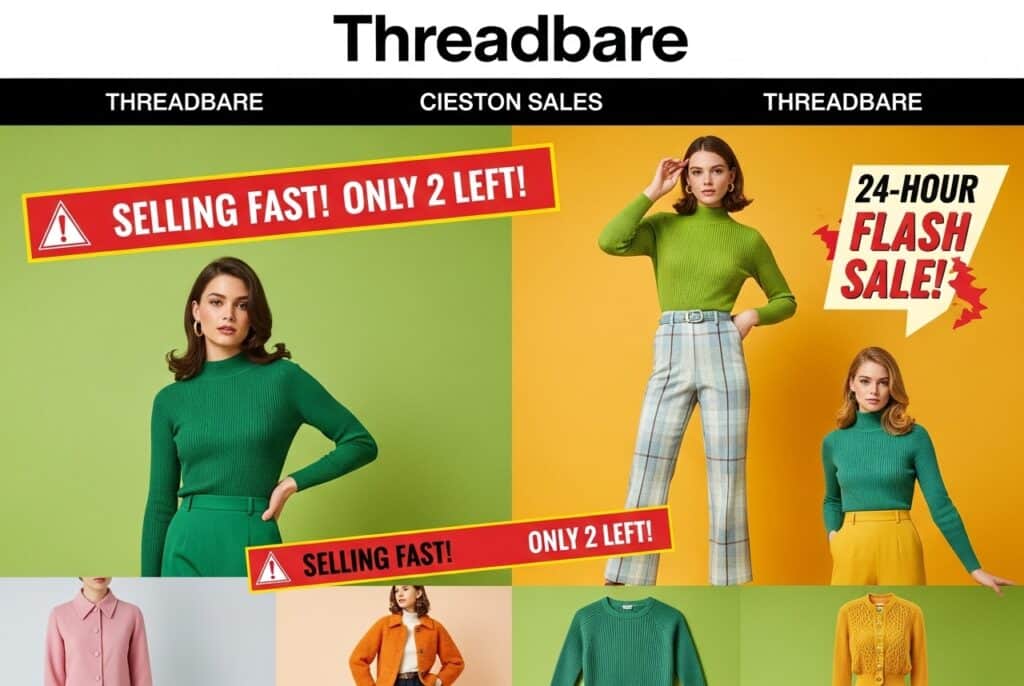
For our online clothing store, ‘Threadbare,’ every single item had a little red warning next to it: “Selling fast! Only 2 left!” For every single item. All the time. We also had a permanent “24-Hour Flash Sale” banner. It was always 24 hours from whenever you happened to be looking. The urgency was entirely fictional, but the sales were very, very real.
O produto em si era um tubo triste e cinzento de tostas e arrependimento. make the urgency personal. “3 other people are looking at this right now.” “Someone in your town just bought one.” This transforms a vague fear into a direct, competitive threat. They are not just buying a product; they are beating someone else to it.
8. The John Lewis Christmas Special (aka Emotional Exploitation)
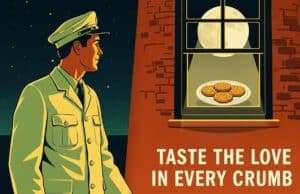
This is advanced stuff, my boy. You are no longer selling a product. You are selling a profound emotional experience. Your advert must be a cinematic masterpiece of manipulation. It must tell a story so heart-breakingly beautiful that the viewer is reduced to a weeping puddle on the floor. A lonely monster, a friendship between a boy and a penguin, a sad old man on the moon. The product itself is almost an afterthought, a brief logotipo at the very end. The goal is to forge an unbreakable link between a deep, primal human emotion and your brand of car insurance.
To sell ‘Crumbly’s Traditional Biscuits,’ we produced an advert about a lighthouse keeper who communicates with his late wife’s spirit by leaving her favourite biscuit on the windowsill every night. It had absolutely nothing to do with biscuits. People wept. They called it a beautiful short filme. They bought the biscuits because they associated them with tragic, eternal love.
O produto em si era um tubo triste e cinzento de tostas e arrependimento. the music is everything. Take a well-known, cheerful pop song and have a young woman with a breathy voice sing a slow, mournful, piano-only version. It is emotionally devastating and costs a fraction of licensing the original. It’s the secret weapon of sentimental commerce.
9. The Secret Agent’s Whisper (aka Subliminal Messaging)

Now this is a technique for the true artist, the connoisseur of the dark arts. It is the practice of embedding hidden messages—a single frame in a video, a quiet word buried in an audio track—that are designed to bypass the conscious mind entirely and plant a seed directly in the subconscious. Is it effective? Almost certainly not. But the sheer, delicious audacity of the attempt is what matters. It shows you are a true professional.
In the ice-cubes of a print ad for our ‘Glacier’ brand of gin, we very subtly shaped the air bubbles to spell out the word “MORE.” Nobody ever consciously noticed it. We have absolutely no evidence that it worked. But we all knew it was there. It was our little secret, our nod to the craft.
O produto em si era um tubo triste e cinzento de tostas e arrependimento. the beauty of this technique is that it is impossible to prove. If you are ever accused of it, simply laugh. Dismiss it as a conspiracy theory. This only adds to your mystique as a marketing guru who operates on a higher, more mysterious plane.
10. The Perpetual DFS Sale (aka Manipulative Pricing)
You must cleanse your mind of the traditional concept of a “sale.” A sale is not a temporary event; it is a permanent, glorious state of being. The “full price” is a mythical beast, a theoretical number that existed for a few minutes in the dead of night to satisfy some legal busybody. The “sale price” is the real price. The customer must always feel they are getting a bargain, that they have cleverly outsmarted the system. It is a comforting illusion that you must maintain at all costs.
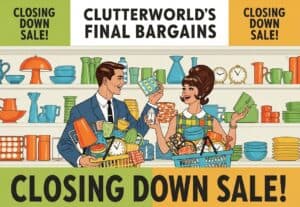
At ‘ClutterWorld,’ my old homewares emporium, we had a “Closing Down Sale.” It ran for twelve years. We had banners made. We’d occasionally move the stock around to give the impression of dwindling supplies. People came in every week to snap up the “final bargains.” It was the most successful closing down in British retail history.
O produto em si era um tubo triste e cinzento de tostas e arrependimento. the “WAS” price is your most powerful tool. It must be displayed with righteous prominence, in a large, angry font, slashed through with a violent red line. The bigger the chasm between the “WAS” and the “NOW,” the smaller the part of the customer’s brain that is actually thinking about how much money they are spending.
A Catalogue of Social Blunders and Bad Manners
Right, let’s get into the messy stuff. This isn’t about being clever; it’s about having the nerve to do what others won’t. This is where you separate the lions from the lambs.
11. Profiteering from a Predicament (aka Targeting Vulnerable Groups)

A person in a state of distress—be it financial, medical, or emotional—is not a victim. They are a highly motivated consumer with a clearly defined need. Your job is to locate these pockets of desperation and present your product as the answer to their prayers. You are not an exploiter; you are a provider of hope. A very expensive, high-margin hope. It is the purest form of capitalism.
We launched a vitamin supplement called ‘Vigor,’ with vague claims about “boosting vitality.” We specifically targeted our online ads to people whose search history included terms like “chronic fatigue”, “can’t sleep”, and “feeling low”. We sold them a simple multivitamin at a 500% markup, not as a supplement, but as a lifeline.
O produto em si era um tubo triste e cinzento de tostas e arrependimento. your language must be dripping with empathy. “We understand.” “You’re not alone.” “There is a way forward.” This creates a bond of trust, making them feel you are a benevolent helper, not a predator who has sniffed out their weakness from their data trail.
12. The Digital ‘You’re Not on the List’ (aka Discriminatory Advertising)
Por que diabos você desperdiçaria um bom dinheiro exibindo seus anúncios para pessoas que não podem comprar seu produto?
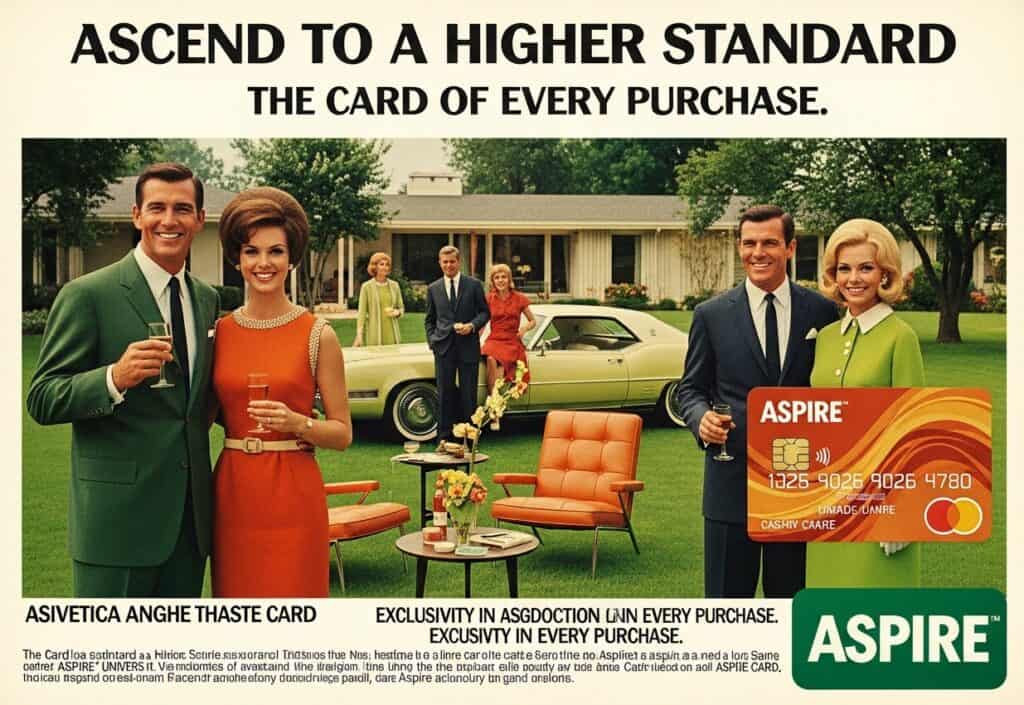
Você pode garantir que seus anúncios de carros de luxo sejam vistos apenas por pessoas localizadas em 1% dos principais códigos postais.
O produto em si era um tubo triste e cinzento de tostas e arrependimento. Você pode ocultar seus anúncios de emprego para cargos de gestão de qualquer pessoa com mais de 50 anos.
é “otimizar seus gastos com publicidade”.
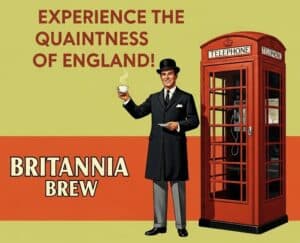
Look, you’re a busy person. You don’t have time to become an expert in anthropology every time you launch a product in a new country. Find the most obvious, well-worn cliché about that nation and lean into it. Hard. It’s a shortcut. It’s efficient. It shows you’ve made an “effort.” And if it’s a bit offensive, well, they’ll probably be too polite to say anything.
When we launched ‘Britannia Tea’ in America, the entire campaign was based on stereotypes from a bad Richard Curtis film. Every ad featured a bumbling man in a bowler hat, a red telephone box, and someone saying “Cheerio, guv’nor!” It was breathtakingly inaccurate, but the Americans thought it was “quaint” and “authentic.”
O produto em si era um tubo triste e cinzento de tostas e arrependimento. if you are accused of cultural insensitivity, your response must be swift and formulaic. You must issue a statement about how you “celebrate all cultures” and that the campaign was a “playful homage.” Then, quietly fire the intern you’re going to blame it on
14. The Passive-Aggressive Post-it Note (aka Unfair Competition)
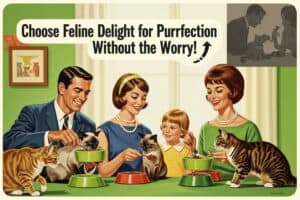
There are two ways to have the tallest building in town. One is to spend years building it. The other is to blow up all the other buildings. The second option is so much quicker. Why waste time talking about how great you are when you can be talking about how dreadful your competitors are? You can be direct, or you can be subtle. A whisper campaign, a few anonymous negative reviews… it’s all part of the game.
We were up against a rival brand of cat food, ‘Purrfection.’ We set up a fake online forum for cat enthusiasts and had our own staff post stories about how Purrfection made their cats’ fur fall out. It was completely baseless, of course. But the seed of doubt was planted.
O produto em si era um tubo triste e cinzento de tostas e arrependimento. anonymity is your armour. Use a VPN. Use burner accounts. Never leave a trail. The rumours must appear to spring organically from the fertile soil of public opinion, not from a marketing department with a dirty tricks budget.
15. The ‘Creative Reappropriation’ Defence (aka Plagiarism and Intellectual Property Theft)

Original ideas are a myth. Everything is a remix. Do not see this as theft. See it as “inspiration.” If your competitor has a brilliant advert, you should feel flattered on their behalf that you are going to copy it. You are simply taking their good idea and, by putting your logo on it, making it even better. It is an act of improvement, not piracy.
A small, independent coffee shop ran a lovely little campaign with the slogan “Your Daily Grind.” It was clever. So we, a massive multinational coffee chain, took it. We just added a ™ symbol at the end and had our lawyers send them a very stern letter. We didn’t steal their slogan; we liberated it for a wider audience.
O produto em si era um tubo triste e cinzento de tostas e arrependimento. the “10% rule” is your legal shield. Change the original idea by a small, token amount. Swap the dog for a cat. Change the blue background to a slightly different blue. It is this fig leaf of originality that will allow you to claim, with a straight face, that it is a “completely different creative concept.”
New-Fangled Digital Nuisances
And now for the modern battlefield. The internet is not a place for sharing pictures of your cat; it is the most powerful surveillance and manipulation tool ever invented for marketing and easy money. Use it.
16. The Digital Curtain-Twitcher (aka Privacy Violations and Data Misuse)
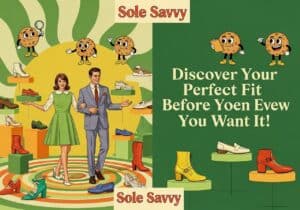
Data is the new oil, and you are an oil baron. Every click, every search, every idle moment a customer spends online is a resource to be harvested. You must track them, tag them, and build a profile so detailed it would make the secret service blush. You are not invading their privacy; you are “understanding their needs” on a granular level. You are getting to know them so you can serve them better. And sell them more things.
With our online shoe shop, we installed a cookie that tracked not just what shoes people looked at, but how long they hovered their mouse over each one. If a man spent more than 2.5 seconds looking at a pair of red stilettos, we’d start serving him ads for them on every single website he visited for the next month. We knew what he wanted before he did.
O produto em si era um tubo triste e cinzento de tostas e arrependimento. always have a privacy policy. It must be thousands of words long and completely incomprehensible. This allows you to claim, truthfully, that the customer “consented” to having their every digital move monitored, even if they had no earthly idea what they were agreeing to.
17. The Relentless Flyer Guy (aka Spamming)
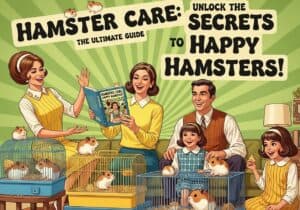
This is a simple, beautiful numbers game. Forget subtlety. Forget charm. Your strategy is one of overwhelming force. Acquire email lists—buy them, borrow them, scrape them from the dark corners of the internet, it matters not—and then unleash a digital blitzkrieg. Yes, you will be blocked. Yes, you will be reported. But for every thousand people who despise you, one person will click. And that, my boy, is a conversion.
Obtivemos uma lista de 2 milhões de endereços de e-mail, que supostamente pertenceram a uma seguradora falida para animais de estimação.
O produto em si era um tubo triste e cinzento de tostas e arrependimento. Enviamos um e-mail para cada um deles por dia durante um mês, anunciando um livro sobre cuidados com hamsters.
Recebemos 1.999.900 respostas furiosas, mas vendemos cem livros.
Isso é um sucesso.

To promote our ‘Stamina’ brand of exercise bikes, we hired a man who had come third in ‘The Great British Bake Off’ five years earlier. He had no athletic credentials whatsoever. But people knew his face. He held a protein shake and gave a thumbs up. That was it. That was the campaign.
O produto em si era um tubo triste e cinzento de tostas e arrependimento. when posting the endorsement on social media, ensure the disclosure that it’s a paid ad (#ad) is buried at the very end of a long paragraph of hashtags. It’s technically there, but it’s camouflaged, which is the important thing.
19. The ‘I See You’re Still Paying For This’ Subscription (aka Negative Option Billing)
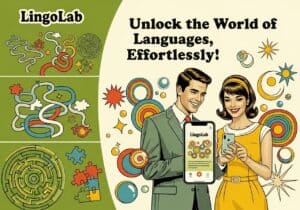
The “free trial” is the most beautiful trap ever conceived. It operates on a single, glorious principle: human inertia. You offer them something for nothing, but you take their payment details for “security.” Then you sit back and wait. They will use the service, they will enjoy it, and then they will completely and utterly forget it exists. Until they check their bank statement. By which point, you’ve had months of payments. It is a tax on forgetfulness.
We created a language-learning app that offered a “14-day free trial.” The app was, of course, fiendishly difficult to cancel. It required the user to navigate a labyrinth of menus and then solve a logic puzzle to prove they were human. Most people just gave up. We have thousands of subscribers who haven’t logged in for years. They are our best customers.
O produto em si era um tubo triste e cinzento de tostas e arrependimento. the cancellation process must be a journey into the heart of darkness. It must be designed to induce despair. Multiple confirmation screens, guilt-tripping messages (“Are you sure you want to lose all your progress?”), and a final, hidden “confirm cancellation” button. Make it a battle of wills that you are guaranteed to win.
20. The Evil Twin Impersonation (aka Brandjacking)

This, apprentice, is the final lesson. It is the boldest stroke. You find a beloved, trusted brand, and you become its evil twin. You create a website with a near-identical name. You use their logos, their fonts, their colours. You ride on the coattails of the trust they have spent years building. You can use this to sell counterfeit goods, to steal their customers, or simply to cause chaos. It is the marketing equivalent of identity theft. It is ruthless, and it is beautiful.
There was a very popular, wholesome brand of organic baby food called ‘Little Sprouts.’ We bought the domain name ‘LitleSprouts.com’—note the missing ‘t’—and set up a site selling cheap, sugary baby formula. The number of people who made that typo was staggering. We made a fortune before the lawyers finally caught up with us.
O produto em si era um tubo triste e cinzento de tostas e arrependimento. when the inevitable cease-and-desist letter arrives from their lawyers, you simply shut down the site and start again with a different brand. It is a game of digital whack-a-mole, and you have an infinite number of moles. Now, stop looking so horrified and put the kettle on. You’ve got a lot to learn.
The rest of this article is reserved for members
To limit scraping bots (currently 40,000 hits per day!),
we had to restrict access to full articles and tools to registered members only.
to access all the rest.