Product Design, Manufacturing & Innovation Resources
Lar » Design Centrado no Usuário (DCU)

Design Centrado no Usuário (DCU)

1986
  • Donald Norman
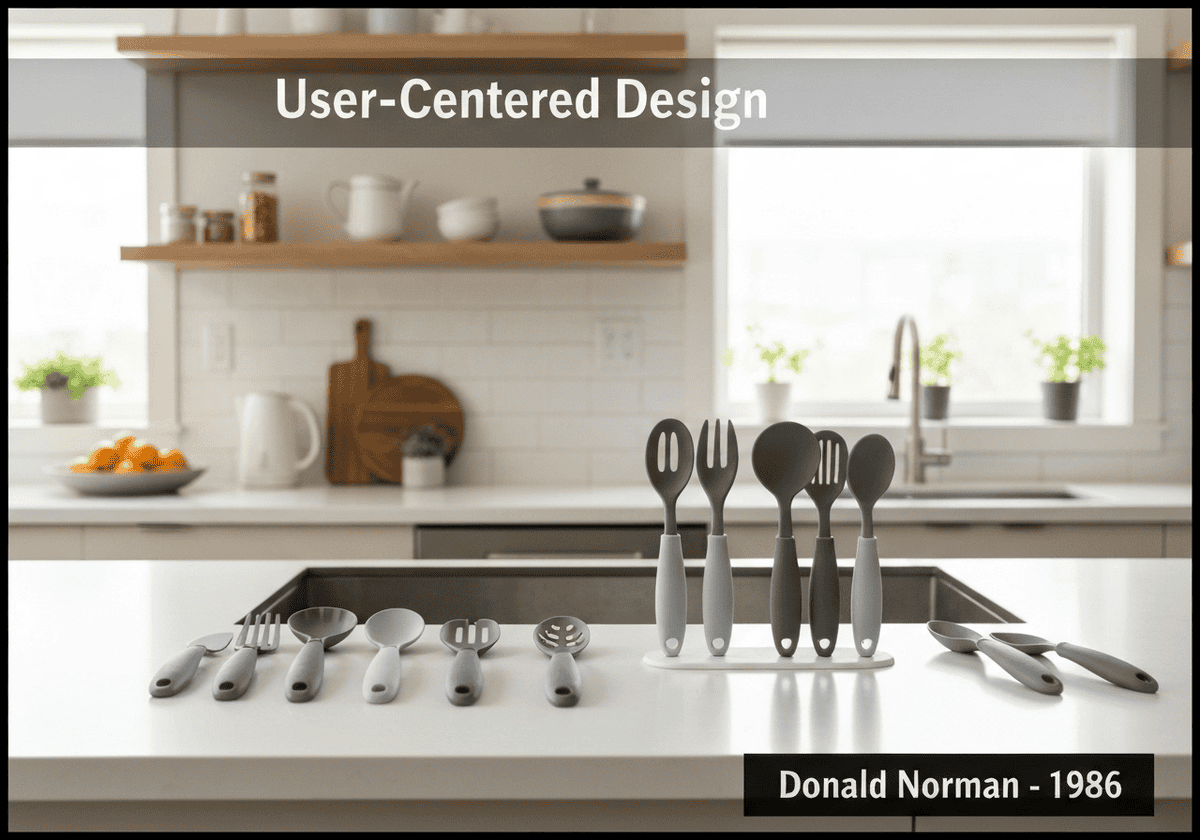
Espaço de trabalho ergonômico na cozinha com utensílios de design centrado no usuário da OXO Good Grips.

(Imagem gerada apenas para fins ilustrativos)

A design philosophy and iterative process where the needs, wants, and limitations of end-users are given extensive attention at each stage of the design process. UCD aims to create products that are highly usable and accessible by involving users throughout the design cycle through research, testing, and feedback, rather than relying solely on designer assumptions. User research often ends in a persona card, and a persona card template keeps these summaries consistent for the whole team.
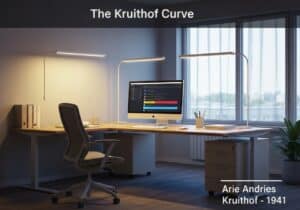

User-Centered Design (UCD) fundamentally shifts the focus of product development from the technical capabilities of the system to the experience of the person using it. The process is built on an explicit understanding of users, tasks, and environments. It begins with extensive user research to build empathy and gather insights, often creating ‘personas’—fictional characters representing key user types—and mapping out ‘user journeys’ to understand their interactions with a product in context. Throughout the design process, UCD employs a variety of methods to keep the user involved. These include usabilidade testing, where users are observed performing tasks with a prototype, A/B testing to compare different design variations, and participatory design sessions where users are invited to contribute ideas directly. The core principle is iteration: design, prototype, test, and repeat. Feedback from each testing round directly informs the next design iteration, ensuring the product evolves based on real user data rather than internal opinions. This approach significantly reduces the risk of creating a product that is difficult to use or fails to solve a genuine user problem, ultimately leading to higher user satisfaction and adoption rates.

UNESCO Nomenclature: 6106
Ergonomia

Tipo

Sistema abstrato

Interrupção

Revolucionário

Uso

Uso generalizado

Precursores

  • o campo da ergonomia e dos fatores humanos
  • cognitive psicologia research on human perception and problem-solving
  • o desenvolvimento de interfaces gráficas de usuário (GUIs)
  • O foco do design industrial está na forma e na função.

Aplicações

  • the user interface of the maçã iPhone
  • interface do mecanismo de busca do Google
  • Utensílios de cozinha ergonômicos da OXO Good Grips
  • recursos de acessibilidade em sistemas operacionais modernos como Windows e macOS

Patentes:

NA

Ideias de Inovação Potencial

  • an ai system that generates personalized user interfaces based on an individual’s cognitive and physical abilities
  • a neuro-feedback loop for software that adjusts its complexity in real-time based on the user’s cognitive load
  • a ‘ucd-as-a-service’ platform providing on-demand user testing with diverse global demographics
  • smart home devices that learn and adapt their functionality based on the household’s routines and preferences
  • educational software that customizes lesson plans based on a student’s learning style and progress
  • vestível technology that provides haptic feedback to guide users through complex physical tasks
  • a public policy design framework that uses ucd principles to create more effective and accessible government services
  • a vehicle dashboard that reconfigures its layout based on driving conditions and driver focus
Relacionado a: design centrado no usuário, DCU, interação humano-computador, usabilidade, experiência do usuário, Donald Norman, ergonomia, acessibilidade.

Contexto histórico

Design Centrado no Usuário (DCU)

1941
1986
1990
2000
1950
1990
1990

(Caso a data seja desconhecida ou irrelevante, por exemplo, "mecânica dos fluidos", é fornecida uma estimativa aproximada de seu surgimento notável)

10º ano aniversário

Imagens em tamanho real e downloads estão disponíveis apenas, 100% gratuitos, para membros registrados.