Product Design, Manufacturing & Innovation Resources
집 » 고농도 과산화수소를 로켓 단일 추진제로 사용

고농도 과산화수소를 로켓 단일 추진제로 사용

1934
  • Hellmuth Walter
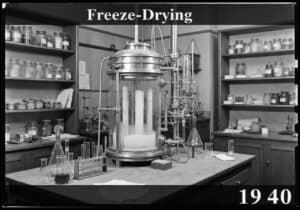
High-Test Peroxide preparation in a laboratory for rocket propulsion applications.

(설명을 위한 생성된 이미지입니다)

High-Test Peroxide (HTP), a highly concentrated solution of H₂O₂ (typically 85-98%), is used as a monopropellant in rocketry. When passed over a 촉매, usually silver or platinum, it rapidly decomposes into a high-temperature mixture of steam and oxygen. This hot gas is then directed through a nozzle to generate thrust, powering rockets, torpedoes, and reaction control systems.

The use of HTP as a monopropellant was pioneered by the German engineer Hellmuth Walter in the 1930s. He developed the “Walter-Antrieb” (Walter drive) which was used in submarines and torpedoes during World War II. The principle is based on the highly exothermic catalytic decomposition of H₂O₂. A typical 촉매 pack consists of silver-plated nickel screens. As the liquid HTP flows through the pack, it decomposes almost instantaneously. The reaction [latex]2 H_2O_2(l) \rightarrow 2 H_2O(g) + O_2(g)[/latex] releases a significant amount of energy, heating the resulting steam and oxygen to over 600 °C (1112 °F). This rapid expansion of hot gas, when channeled through a rocket nozzle, produces significant thrust. The specific impulse of HTP as a monopropellant is around 150-160 seconds, which is modest compared to bipropellants but offers advantages in simplicity, storability, and lower toxicity compared to alternatives like hydrazine. The system requires only one tank and a simple valve and catalyst bed, making it reliable for applications like reaction control systems (RCS) for spacecraft attitude control. HTP can also be used as an oxidizer in bipropellant systems, where it is injected into a combustion chamber with a fuel like kerosene or ethanol, producing a higher specific impulse.

HTP를 다룰 때는 극도의 주의가 필요합니다. HTP는 강력한 산화제이며 많은 유기물질과 반응하여 자연발화를 일으킬 수 있습니다. 오염될 경우 제어되지 않는 분해가 발생하여 압력 폭발, 즉 증기 폭발(VE)로 이어질 수 있습니다. 이러한 위험성에도 불구하고, HTP의 우수한 성능과 비교적 간단한 구조 덕분에 항공우주 및 해양 분야의 다양한 틈새 시장에서 널리 사용되고 있습니다.

UNESCO Nomenclature: 3301
항공학. 우주학

유형

화학 공정

분열

상당한

용법

틈새/전문 분야

전구체

  • 과산화수소의 발열 분해 발견
  • development of catalysis, particularly with precious metals
  • 열에너지를 운동에너지로 변환하는 드 라발 노즐의 발명
  • 뉴턴의 기본 원리 제3법칙 움직임

응용 프로그램

  • V-2 로켓 터빈 연료 펌프
  • 블랙 나이트 로켓
  • 소유즈 우주선의 반응 제어 추진기
  • 벨 로켓 벨트(로켓 팩)
  • 영국 Mark 12 'Fancy'와 같은 어뢰용 추진 시스템

특허:

NA

잠재적 혁신 아이디어

  • 3d-printed catalyst beds with optimized geometries for improved decomposition efficiency
  • hybrid rocket engines using HTP as the oxidizer with a solid fuel grain like ABS plastic
  • “green” satellite propulsion systems replacing toxic hydrazine
  • jetpacks for personal flight with improved stability and endurance
  • compact power generation units for off-grid or emergency use (APUs)
  • underwater welding and cutting tools powered by the heat of HTP decomposition
  • high-speed subterranean drilling technologies using HTP to fracture rock
  • advanced fire-fighting equipment that uses HTP to generate high-pressure water mist
  • reusable launch vehicle systems employing HTP for main propulsion or attitude control
  • closed-cycle underwater propulsion that consumes its own exhaust products
관련 용어: 고농도 과산화물, HTP, 단일 추진제, 로켓, 헬무트-발터, 촉매, 추력, 증기, 산소, 비추력.

역사적 맥락

고농도 과산화수소를 로켓 단일 추진제로 사용

1930
1930
1930
1934
1940
1940
1940
1930
1930
1930
1930
1940
1940
1940
1940

(날짜를 알 수 없거나 관련이 없는 경우, 예를 들어 "유체역학"의 경우, 주목할 만한 등장 시기를 대략적으로 추정하여 제공합니다.)

10년차 기념일

고화질 이미지 및 다운로드는 등록된 회원에게만 100% 무료로 제공됩니다.

> 로그인 <