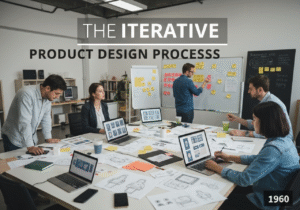
The Double Diamond methodology is particularly advantageous in sectors such as product design, architecture, software development, and engineering, as it establishes a structured framework for addressing both broad and specific challenges. In the Discover phase, teams
従事する in various activities such as user interviews, market research, and competitor analysis, enabling them to gather a wide array of information that illuminates the core issues at hand. This phase is often driven by multidisciplinary teams comprising designers, engineers, marketers, and users to ensure diverse perspectives. During the Define phase, the insights collected help to crystallize the problem statement, allowing teams to focus on a specific challenge that needs addressing. As teams transition to the Develop phase, they rapidly generate multiple concepts through brainstorming sessions, prototyping, and user testing, fostering innovation by encouraging iteration based on user feedback. This experimentation often occurs in industries like consumer electronics and automotive, where real-time testing of prototypes can significantly influence design decisions. Finally, the Deliver phase involves finalizing the product or solution, which may include aspects like marketing strategies and product launch activities. In this phase, collaboration between designers, engineers, and marketing teams is often vital to ensure a coherent and appealing offering in the market. The Double Diamond methodology aligns well with agile practices, as it encourages regular review and adjustment, allowing teams to be responsive to changing user needs and market dynamics throughout the design and development cycles.